

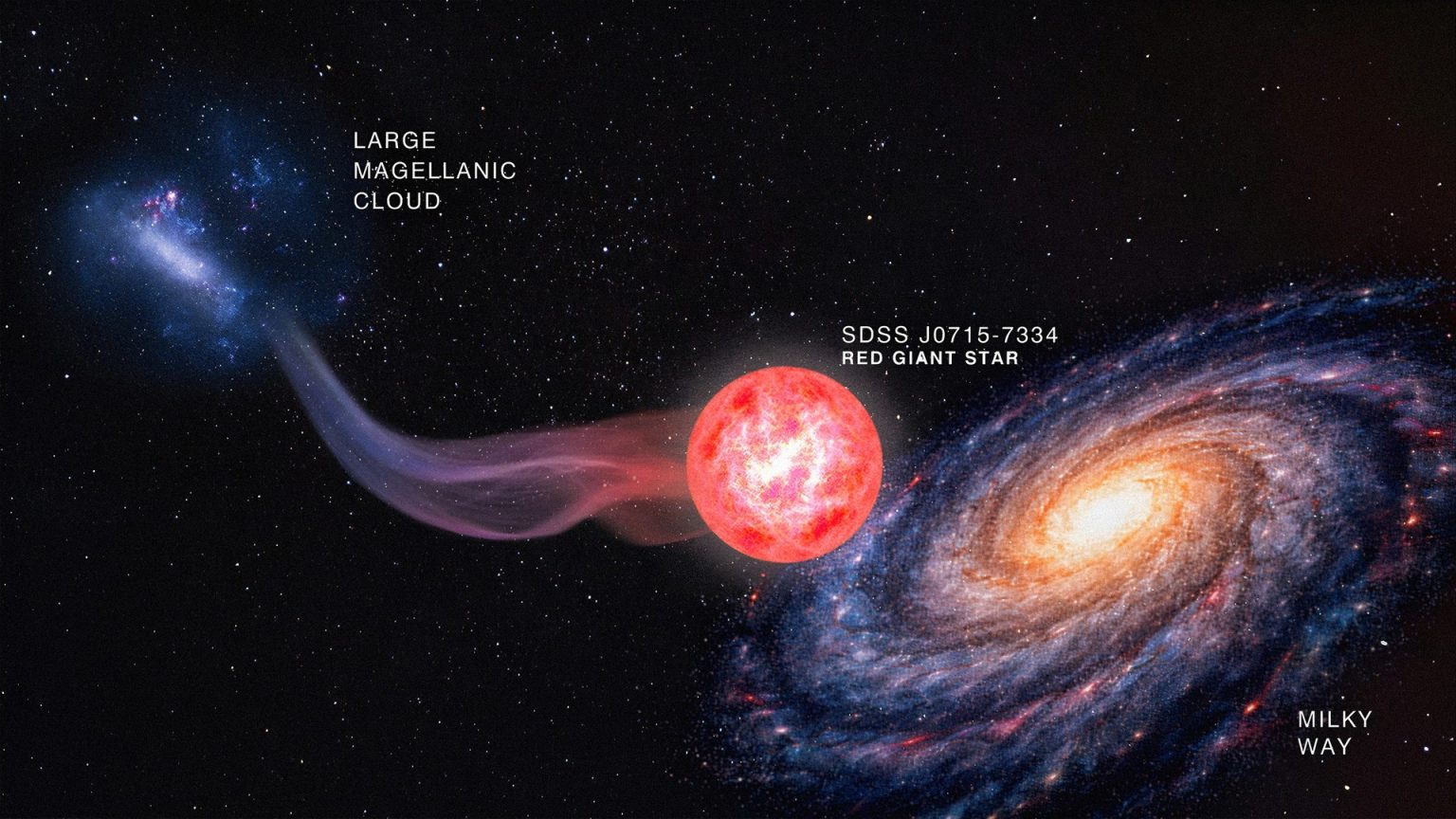
An object has been discovered in our cosmic neighborhood that, by all accounts, should belong to a completely different era. The star SDSS J0715-7334, which is currently in the red giant stage, has turned out to be the purest “relic” of the early universe ever seen by the human eye. Its composition consists almost entirely of pristine hydrogen and helium, making it a direct witness to the times when the first galaxies were just beginning to form.
Space “metallurgy” and the first flames
To appreciate the uniqueness of this discovery, it is worth remembering that, for astronomers, “metal” refers to any element heavier than helium. Immediately after the Big Bang, the universe was filled only with hydrogen and helium. All heavier elements, from the carbon in our cells to the iron in our blood, were “cooked up” in the cores of stars and scattered throughout space after their deaths.
The first generation of stars (Population III) formed from pure gas. They were true giants: they lived fast and died young, exploding as brilliant supernovae. The star SDSS J0715-7334 belongs to the second generation (Population II). It formed from a gas cloud that had been “contaminated” by only one or a few of these early explosions. This makes it a true window into the dawn of the universe.
A chance discovery that lasted three hours
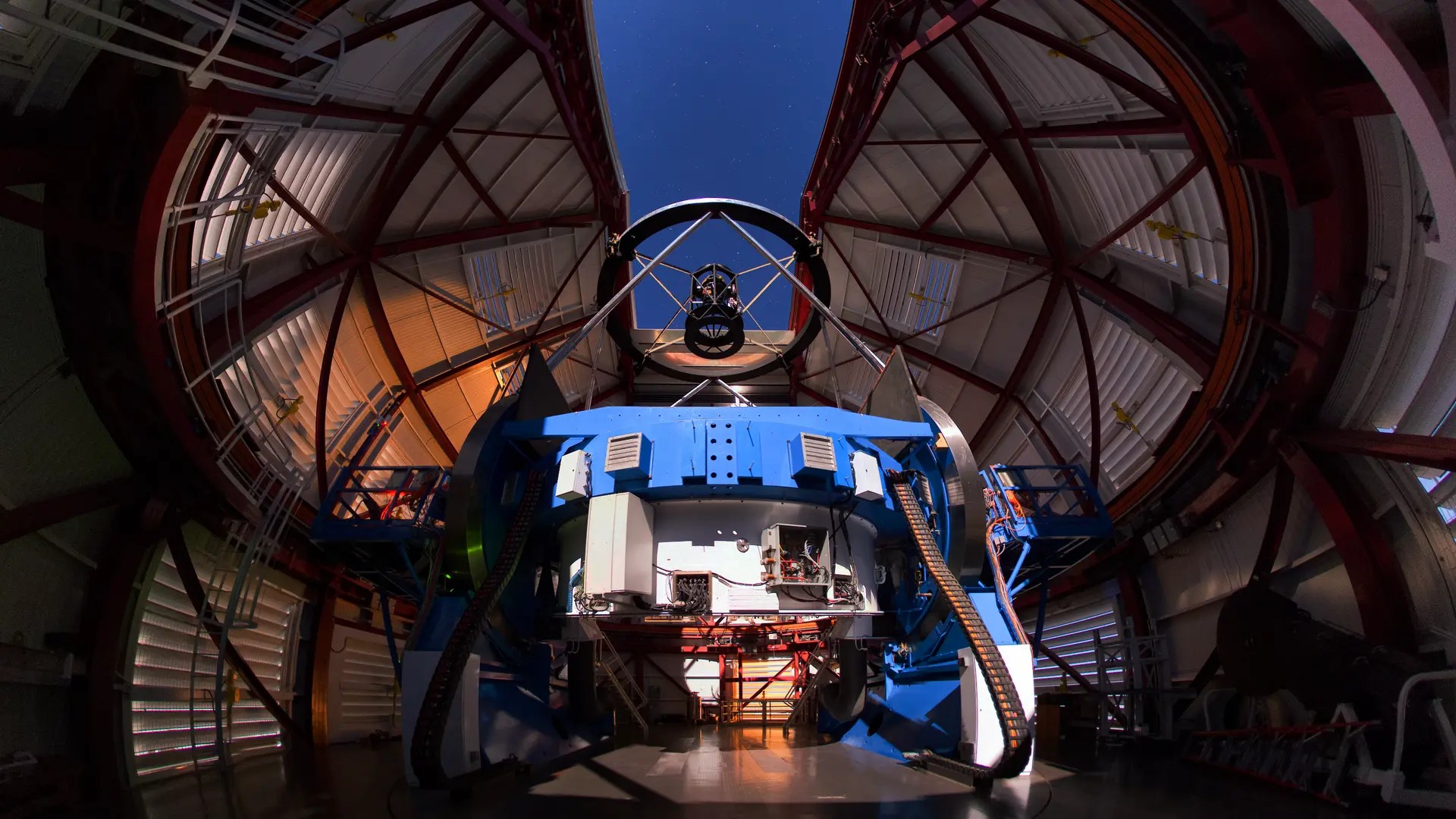
The discovery happened almost by chance. Cosmologist Alexander Ji of the University of Chicago, along with his students, was searching for interesting objects using the Sloan Digital Sky Survey (SDSS). On their very first night of observations, they stumbled upon SDSS J0715-7334.
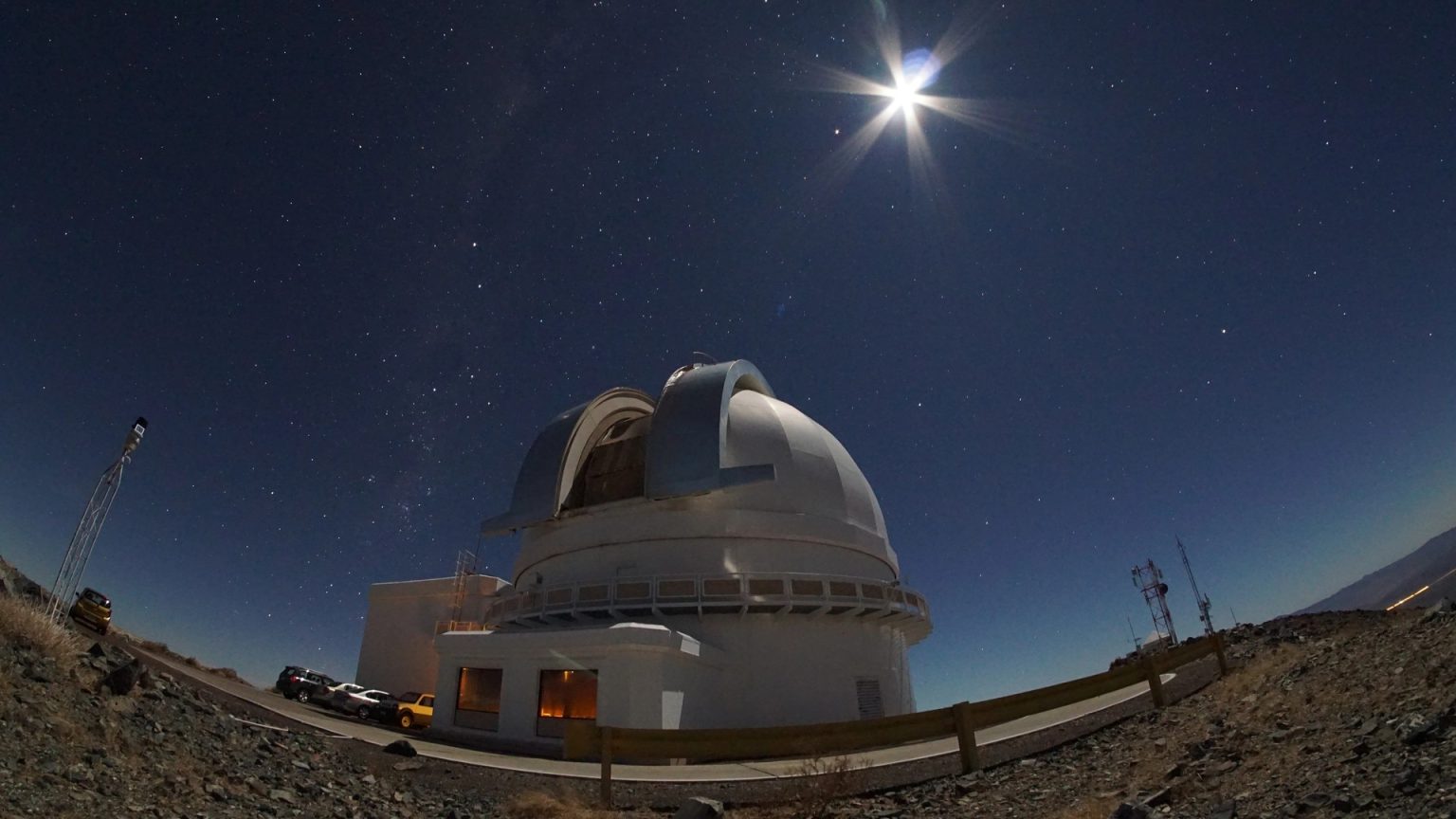
The plan was to spend 10 minutes on it for a routine check, but the star’s spectrum so astonished the researchers that the telescope remained trained on it for three hours. It turned out that its level of “contamination” with metals is only 0.005% of the Sun’s. That is half the previous world record.
The mystery of the missing carbon
What puzzled scientists the most was the carbon content – there is almost none of it there. Usually, it is carbon that helps gas clouds cool down so that, under the influence of gravity, they can collapse into a new star.
The absence of carbon in SDSS J0715-7334 suggests that it formed under rare intermediate conditions. It is likely that cosmic dust – the tiniest remnants of ash from the universe’s first stars – served as a “coolant.” This discovery calls into question some modern models of how stars formed during the first few billion years of the universe’s existence.
The galactic immigrant
Here’s another interesting fact: this star isn’t “local.” Analysis of its motion and position has shown that it likely arrived in the Milky Way from the Large Magellanic Cloud – a dwarf satellite galaxy.
This offers hope that the Magellanic Clouds may harbor an entire “reserve” of such ancient stars. The study, published in “Nature Astronomy,” only scratches the surface of our universe’s deep history. As the authors themselves put it: “We have found just one relic, but it points the way to an entire museum.”
Previous to this, there was an explanation of how the universe will come to an end.
Provided by sciencealert.com

