

The usual annual highlights include eclipses, full moons, and meteor showers. But let’s look a little further into the future. Here are the most spectacular cosmic events expected to occur before the end of 2100.

The flight of the asteroid Apophis
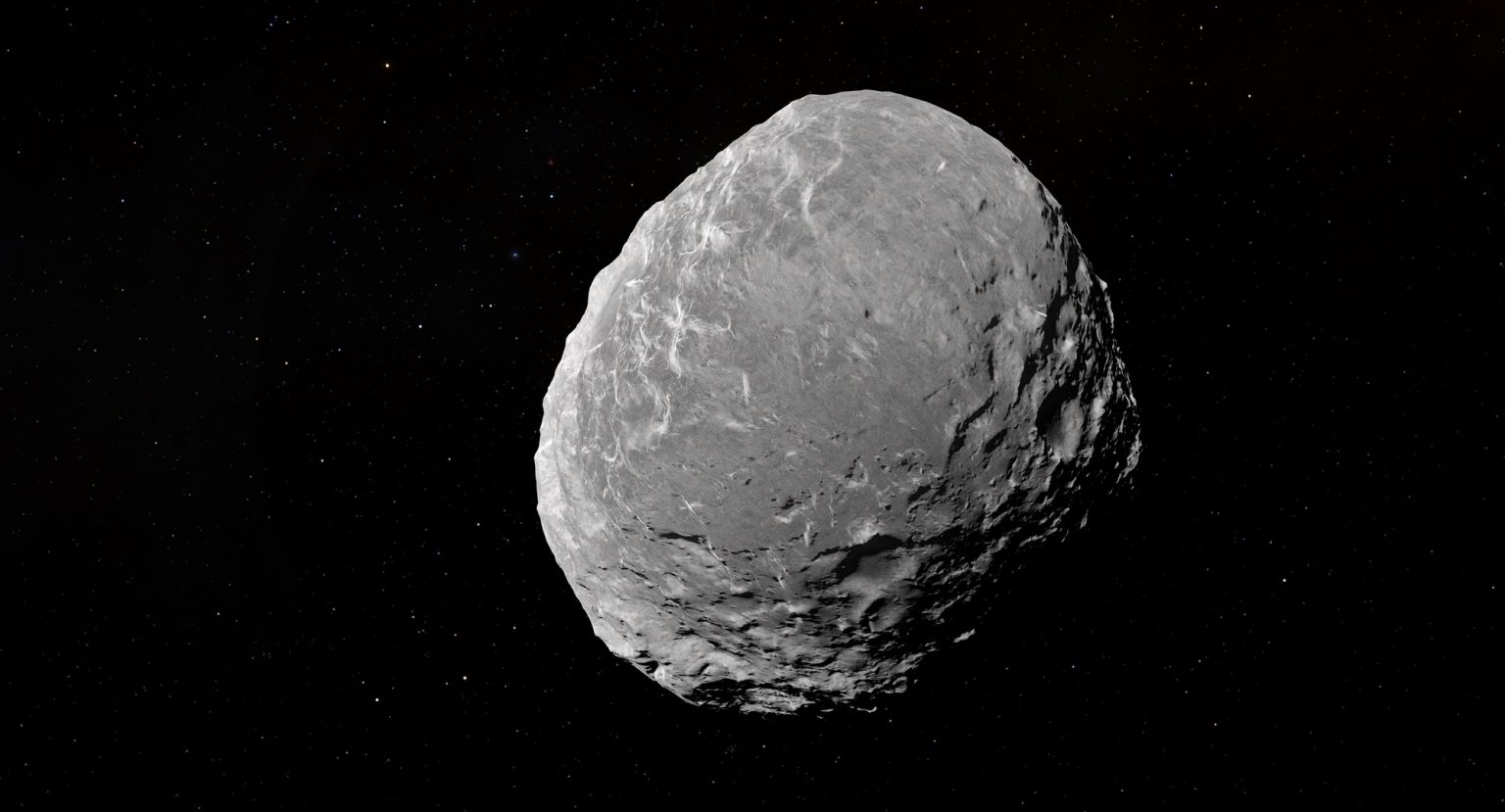
The first major spectacle, which previously gained notoriety due to distorted media reports, awaits us on April 13, 2029. The asteroid Apophis, with a diameter of 370 m, will fly by at a distance of only 32,000 km from Earth – closer than satellites in geostationary orbit.
Its discovery caused concern. However, more accurate calculations have almost completely ruled out a collision with Earth in this century. Nevertheless, the 2029 flyby is a unique opportunity for science, as such a close approach occurs only about once every 800 years.
The return of Halley’s Comet
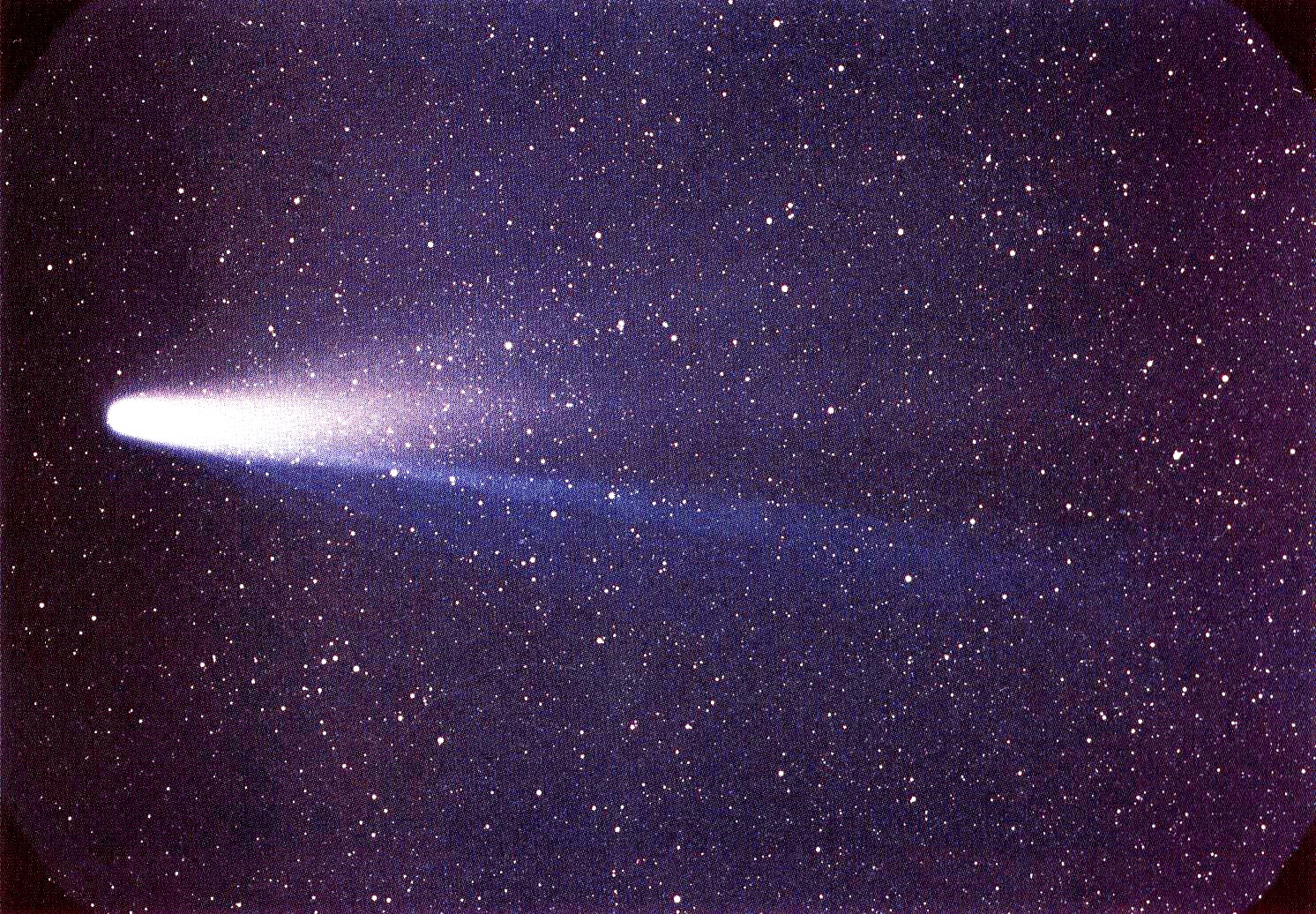
The last perihelion of the famous Halley’s Comet took place in 1986. The next return of the tailed guest is expected in 2061. Moreover, next time there will be the most favorable conditions for its observation, because it will be 9 times brighter. It will be a wonderful object for observation. In addition, the comet is expected to meet with Venus, which promises an additional spectacle.
V Sagittae

This faint star in the constellation Sagitta has been slowly but steadily brightening since the early 20th century. Astronomers believe it is a binary system, where two stars are gradually moving closer together. The most popular theory says that towards the end of the century, around 2083±10 years, these stars may merge. This will cause a powerful explosion – the birth of a new or even supernova star. V Sagittae may shine brighter than Sirius in the sky and be visible even during the day for weeks or months.
The Great Conjunctions of Jupiter and Saturn
These two giant planets come together in the sky every 20 years. But not every conjunction is clearly visible. In 2040, the phenomenon will be moderate, but in September of that year, all visible planets will line up in a row, creating a beautiful sight.
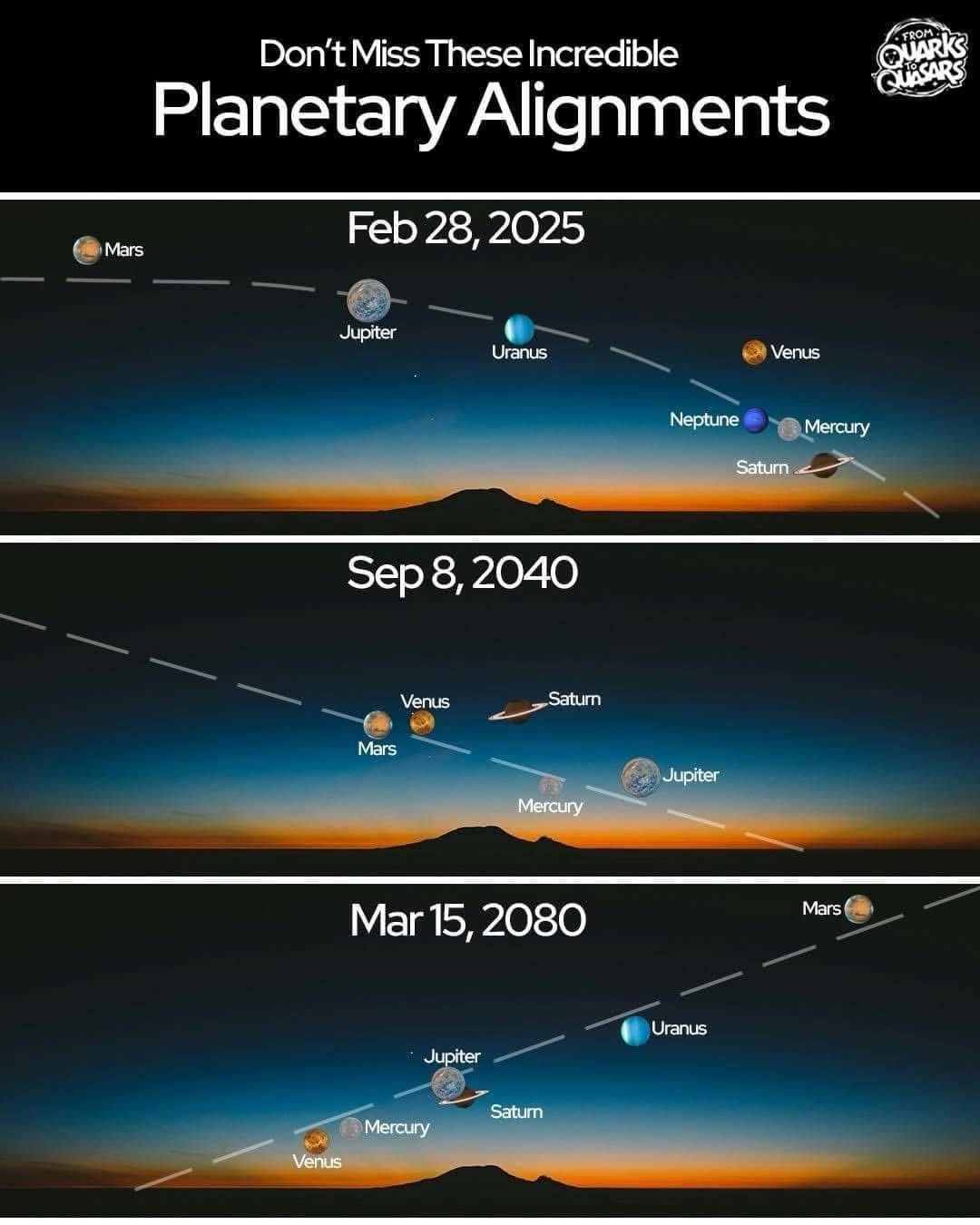
But the most important conjunction will be in 2080. That is when Jupiter and Saturn will come extremely close together – at a distance similar to the record set in 2020. They will also be far from the blinding glare of the Sun, providing ideal conditions for observation around the world.
Unpredictable events
The century also promises surprises that cannot be accurately dated at this time:
- Flashes of new meteor showers, more powerful than the famous Leonids.
- The explosion of a supernova in our Milky Way galaxy, the first in many centuries.
- Bright comets that are currently located far away in the outer Solar System.
- Interstellar objects, which were first officially confirmed only in the last decade, and since 2017, three such “guests” have been officially detected.
Despite the forecasts, the main thing is to remain attentive to the sky. The most memorable astronomical events often come unexpectedly.
Earlier, we talked about the TOP 10 astronomical discoveries of 2025.
Provided by iflscience.com

