

On February 3, the Sun demonstrated its powerful force by releasing another series of powerful flares. Over the past few days, four major energy releases have been recorded, three of which occurred on Sunday alone. These events have attracted the close attention of space weather experts, who have warned of possible impacts on technology and increased auroras.
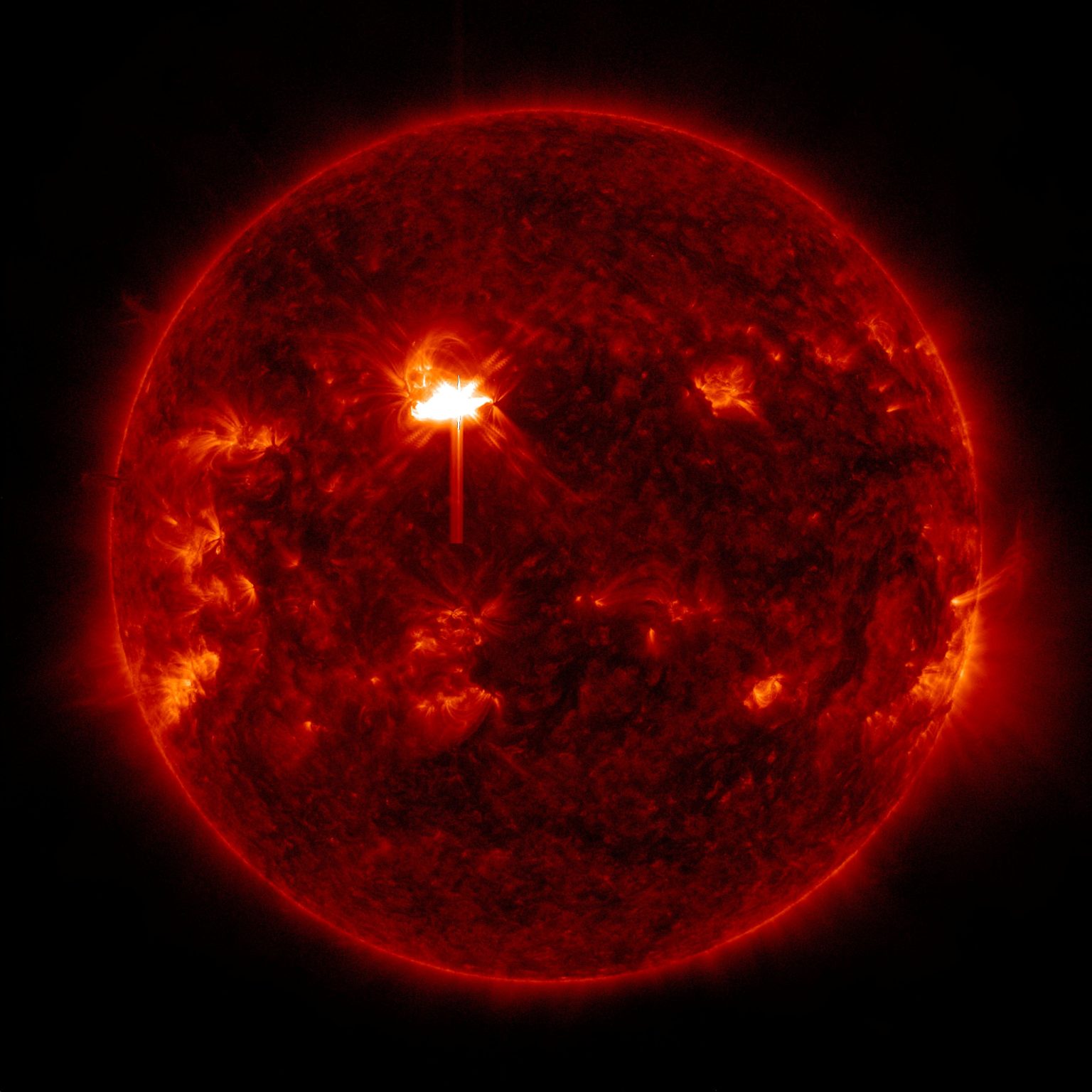
The flare that occurred on the night of February 1-2, classified as X8.1, was particularly notable. It was the most powerful burst in recent years. Since electromagnetic energy reaches Earth almost instantly, it can temporarily disrupt radio communications in high-frequency bands on the sunlit side of the planet. Users may experience communication interruptions lasting several minutes or hours.
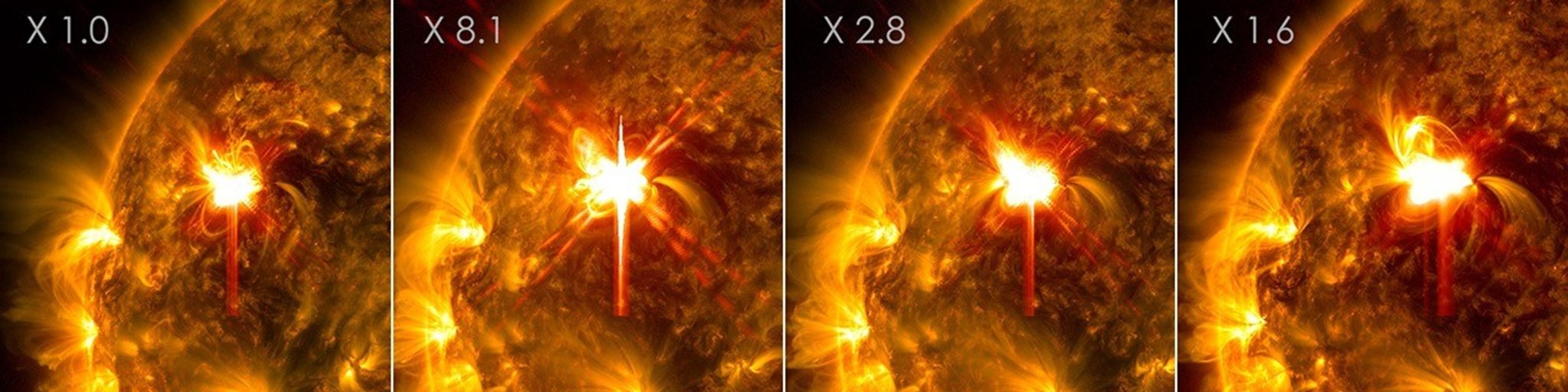
Solar flares are powerful bursts of electromagnetic radiation in the atmosphere of our star. They occur in active regions with extremely strong magnetic fields, often near sunspots. These flares last from minutes to hours, and their energy spreads through space at the speed of light. This time, all four flares belonged to the highest category — X-class, which means the most intense emissions.
Why are flares becoming more frequent?
Solar flares are often accompanied by coronal mass ejections — clouds of solar plasma and magnetic fields. These ejections reach Earth in one to three days and cause geomagnetic storms. These storms, in turn, “ignite” the auroras. When charged particles from CMEs interact with atoms in Earth’s atmosphere, they cause them to glow, painting the sky in amazing colors. The visibility of the auroras depends on the conditions of the CME’s arrival and the weather.
The reason for this activity lies in the 11-year solar activity cycle. Our star is characterized by periods of flares and lulls. In October 2024, the Sun reached the peak of the current cycle. It is now at the peak of its power, which explains the frequency and intensity of the bursts. According to experts’ forecasts, increased magnetic activity and a large number of sunspots will continue until approximately the end of 2026, which means that powerful flares and bright auroras will continue to delight us.
We previously reported on how the connection between tree rings and solar flares turned out to be more complex than previously thought.
According to NASA

