

Four astronauts — three from NASA and one from the Canadian Space Agency — are now actively preparing for the 10-day Artemis II mission. The launch is scheduled for no later than April 2026, and it will be the first human journey to the moon since the Apollo mission in 1972. A powerful Space Launch System (SLS) rocket and the Orion spacecraft, whose design has already been successfully tested in an unmanned flight, will be used for this purpose.
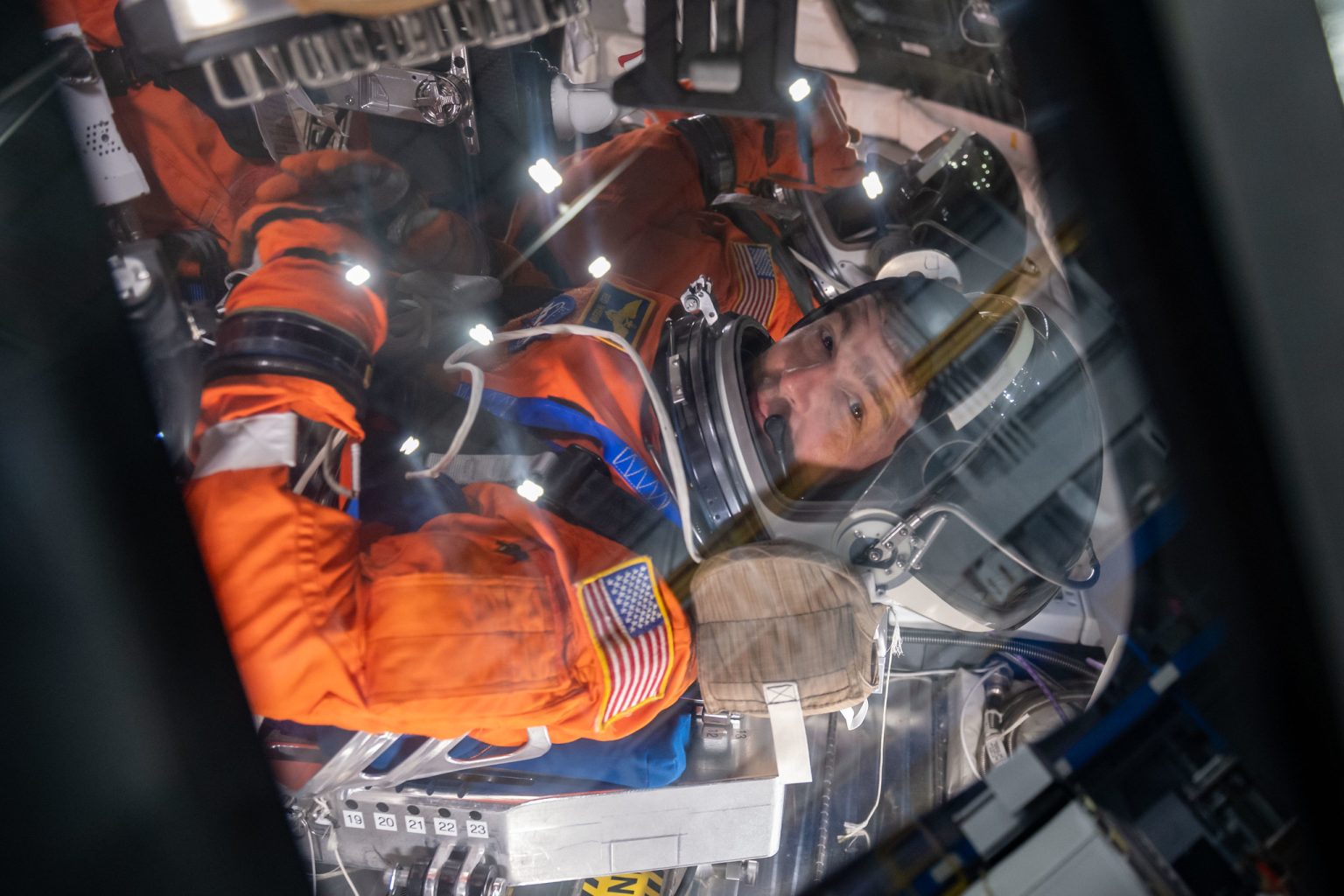
One of the most interesting aspects of the mission is how the crew will spend more than a week in a confined space. Canadian astronaut Jeremy Hansen, for whom this will be his first flight into space, compared the Orion living module to a “mobile home.” In a special video tour, he showed a model of the spacecraft used for training at the Johnson Space Center.
“Yeah, it’s a tiny space. It’s about the size of a camper van,” the astronaut admitted.
However, Hansen noted that after folding down the leg clips required for takeoff, there is quite a lot of free space. Even though he is over 180 cm tall, Hansen can easily stretch to his full height in any direction.
The mock-up of the spacecraft is the main testing ground for all procedures. “Our team actively uses this mock-up, constantly bringing prototypes here, checking their compliance, and working out procedures,” Hansen said.
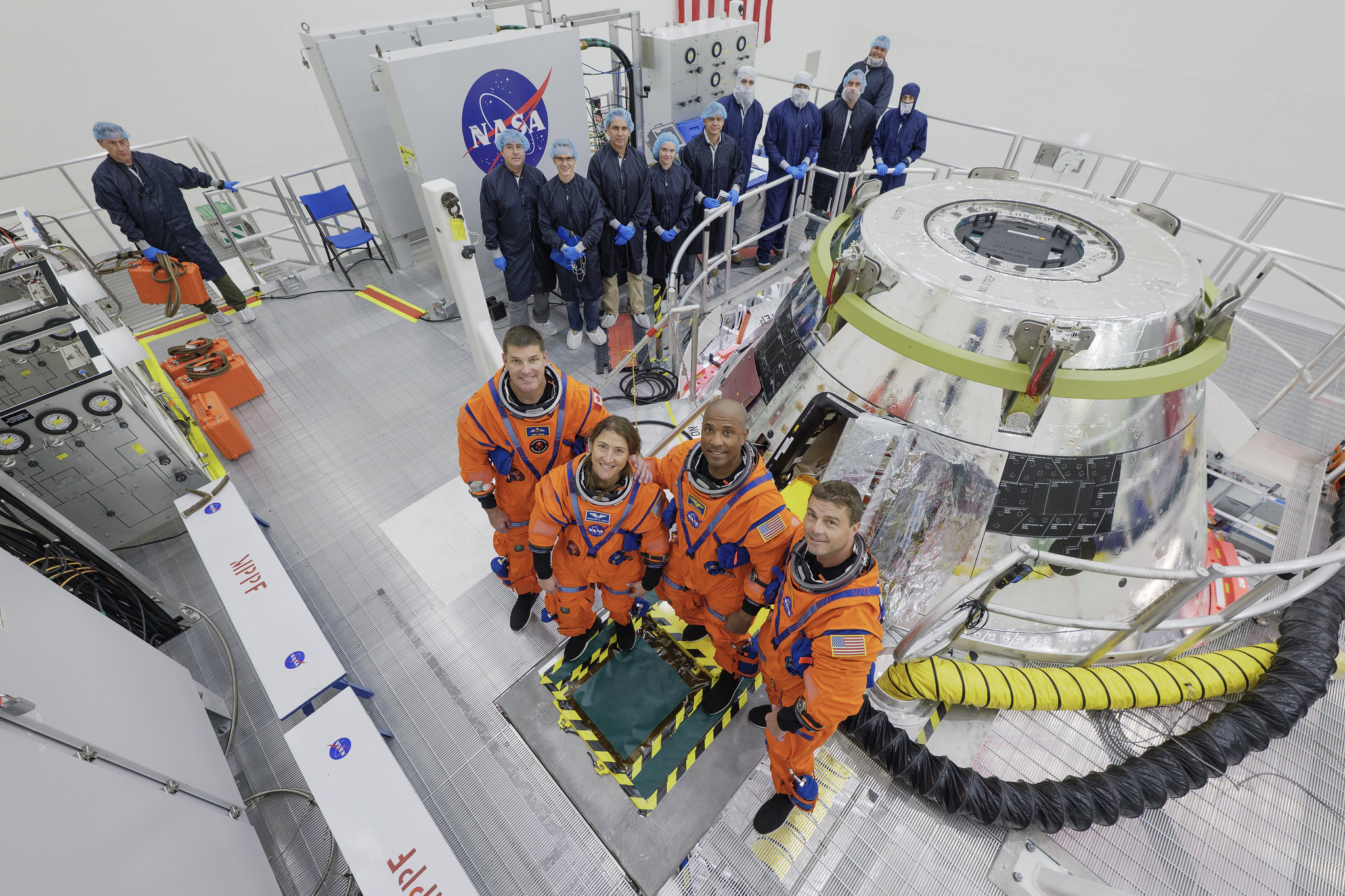
He also pointed out that the actual Orion would be even more confined, as its interior would be filled with additional equipment, computers, cameras, and bulky launch and landing suits that would need to be stored during the flight.

The Artemis II mission is a critical step in humanity’s return to the Moon. It will pave the way for Artemis III, in which astronauts will once again walk on the surface of Earth’s moon. Thus, despite its confined space, the Orion lunar camper will become not just a means of transport for the crew, but a historic threshold into a new era of space exploration.
Earlier, we showed what the Artemis II mission control center looked like.
According to Digital Trends

