

A momentous event in the history of space exploration is about to take place: for the first time in 54 years, humans will return to the Moon. As part of the Artemis II mission, four astronauts will orbit the Moon and then return to Earth. The entire journey will take ten days.
The Artemis II mission would not have been possible without Artemis I. As part of Artemis I, NASA launched the super-heavy SLS rocket for the first time and tested the Orion spacecraft in deep space. The experience gained during its implementation laid the foundation for the further development of the lunar program. With the launch of Artemis II fast approaching, let’s take a look back at how the predecessor mission went and admire some of its best photos.
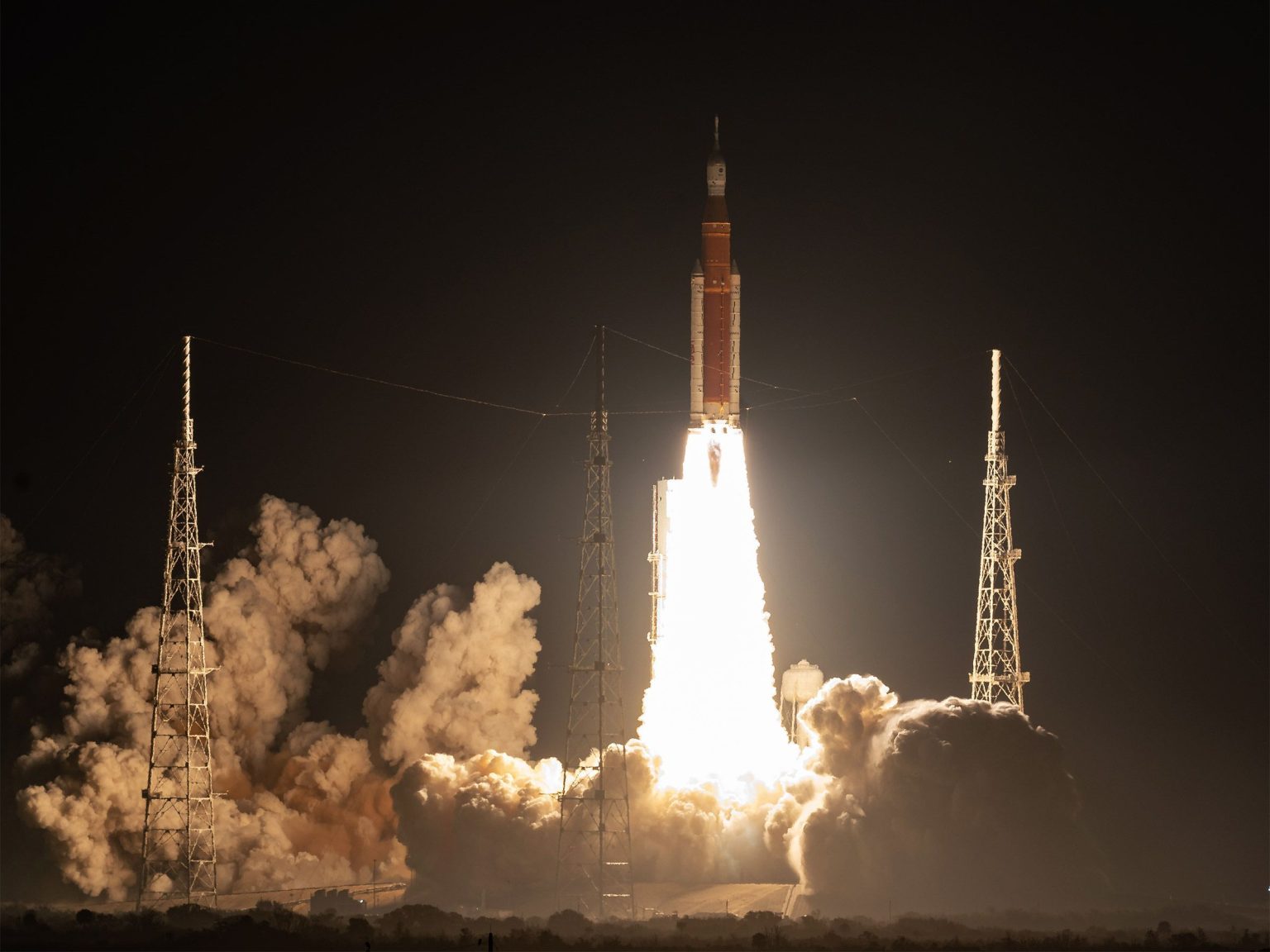
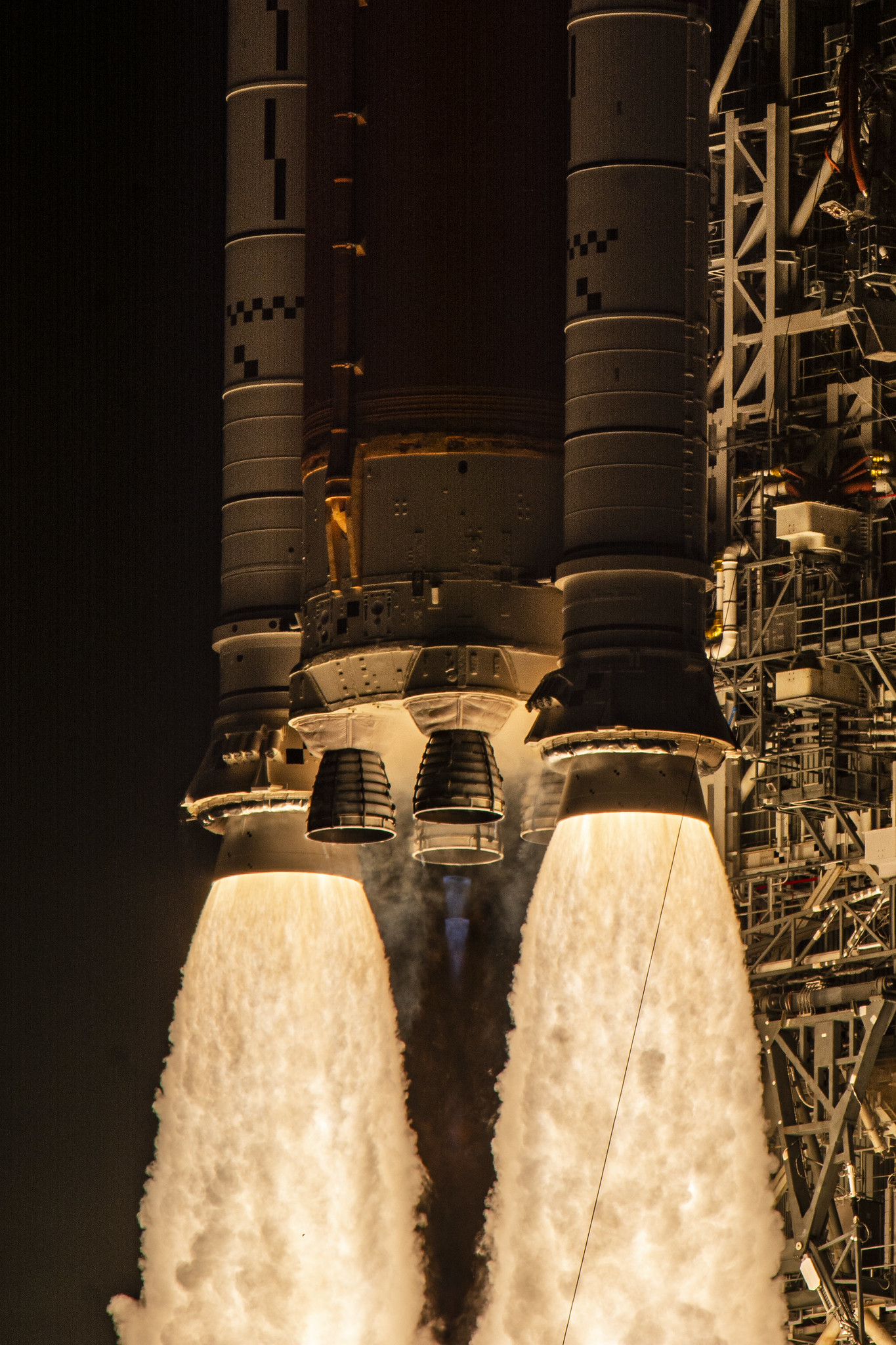
Artemis I was launched into space on November 16, 2022. This launch marked the debut of the super-heavy SLS rocket, which is capable of carrying up to 95 tons of cargo into orbit. Incidentally, its first-stage engines, boosters, and side boosters were inherited from the Space Shuttle program.
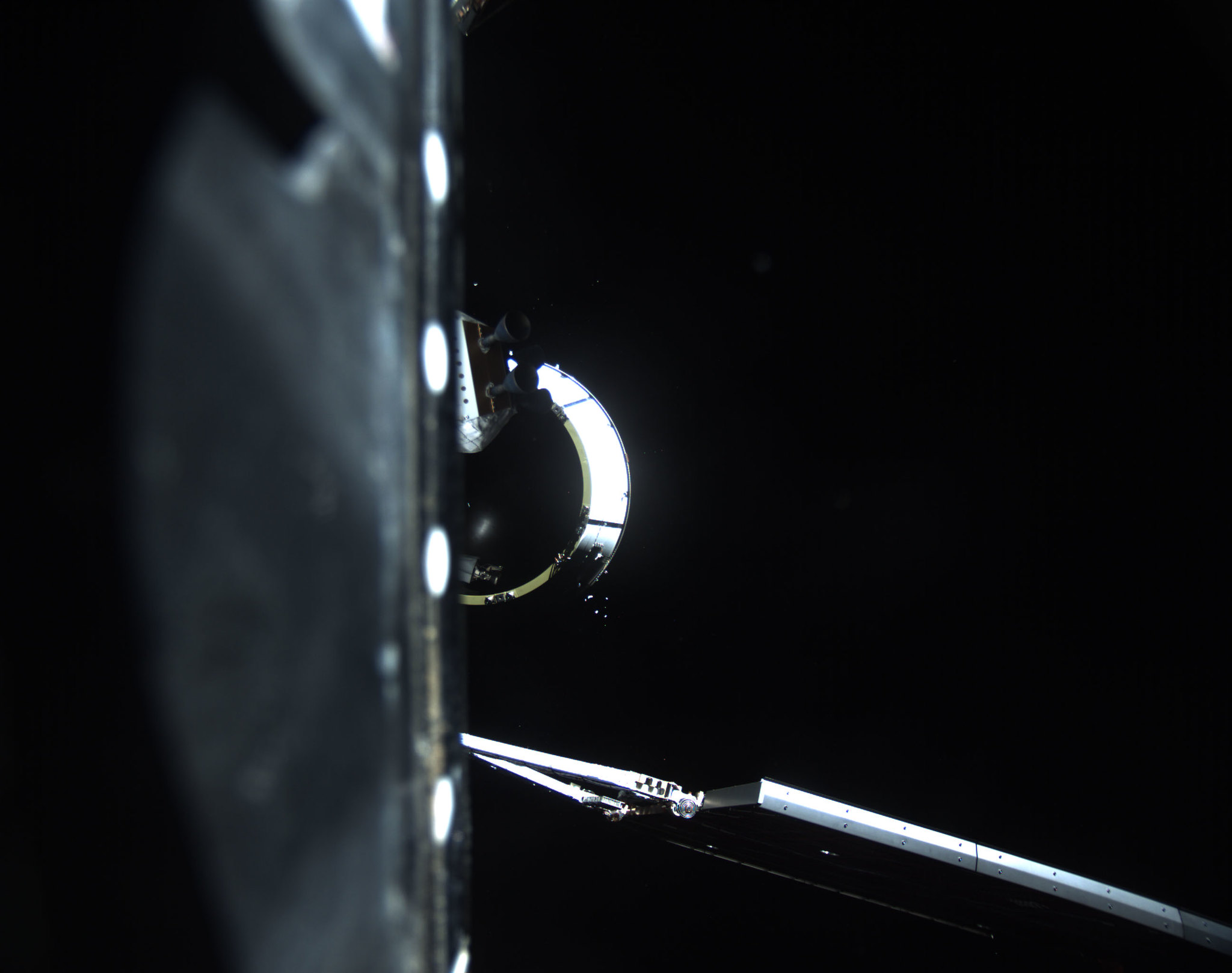
Eight hours after launch, the upper stage of the SLS performed a maneuver that directed Orion toward the Moon, after which it separated from the spacecraft and was directed into Earth’s atmosphere.
There were no humans aboard Orion. Three mannequins equipped with sensors that measured radiation, acceleration, and vibration levels during flight played the role of the crew. One of them, dressed in a flight suit, was seated in the commander’s chair.
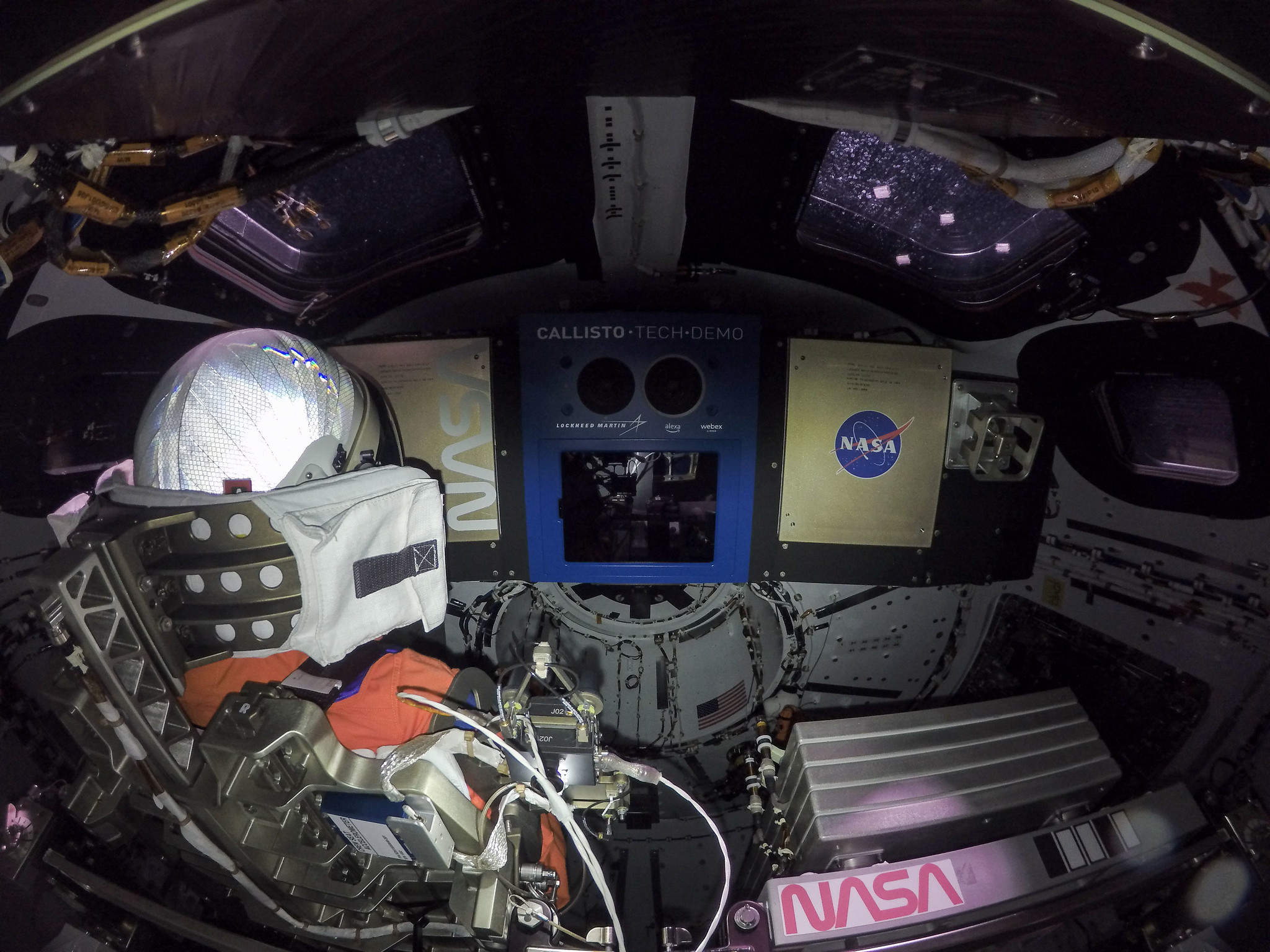
The journey to the Moon took five days. On November 21, Orion performed a close flyby of the Moon, after which it activated its main engine, entering a distant retrograde orbit around the satellite.
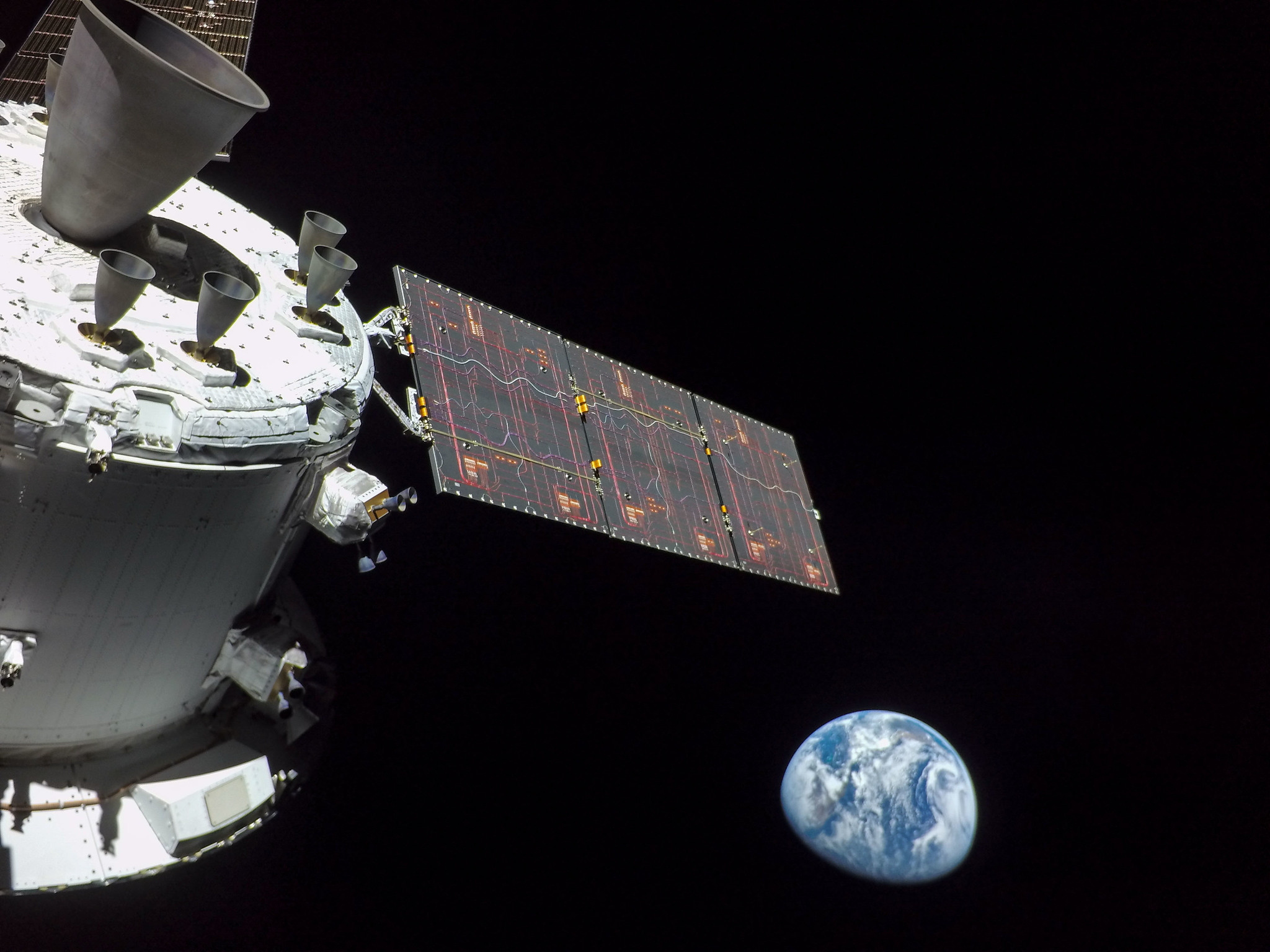
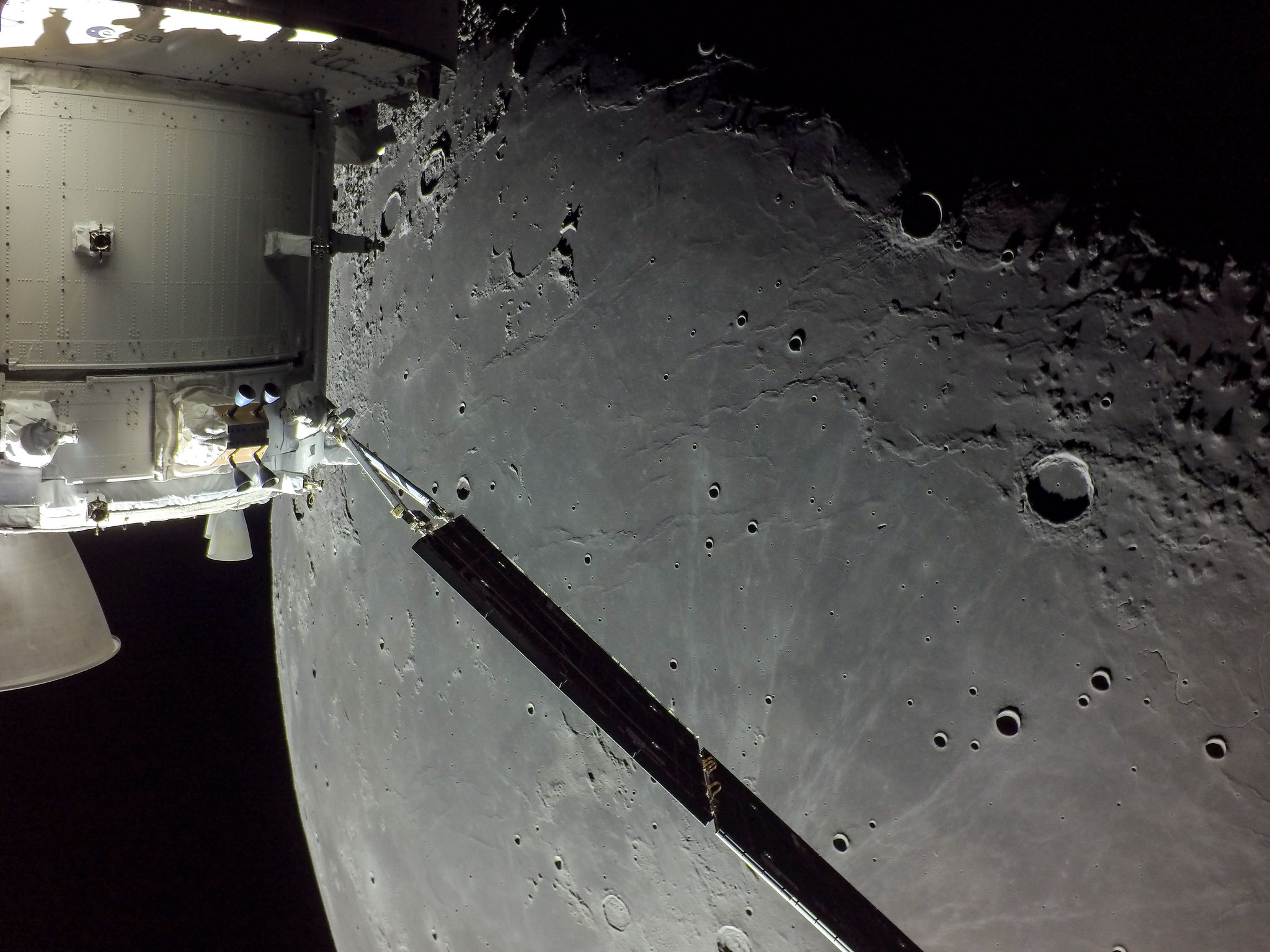
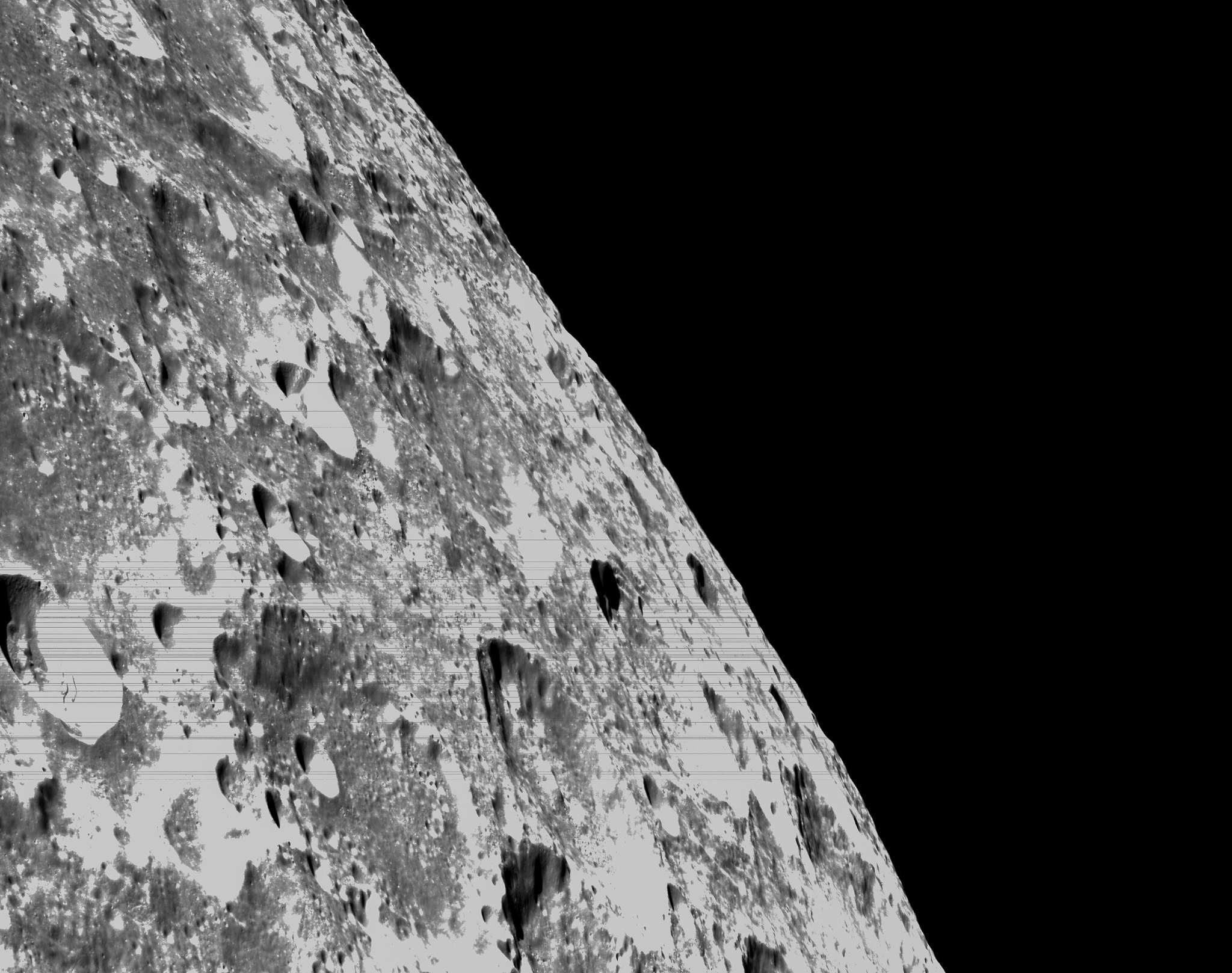
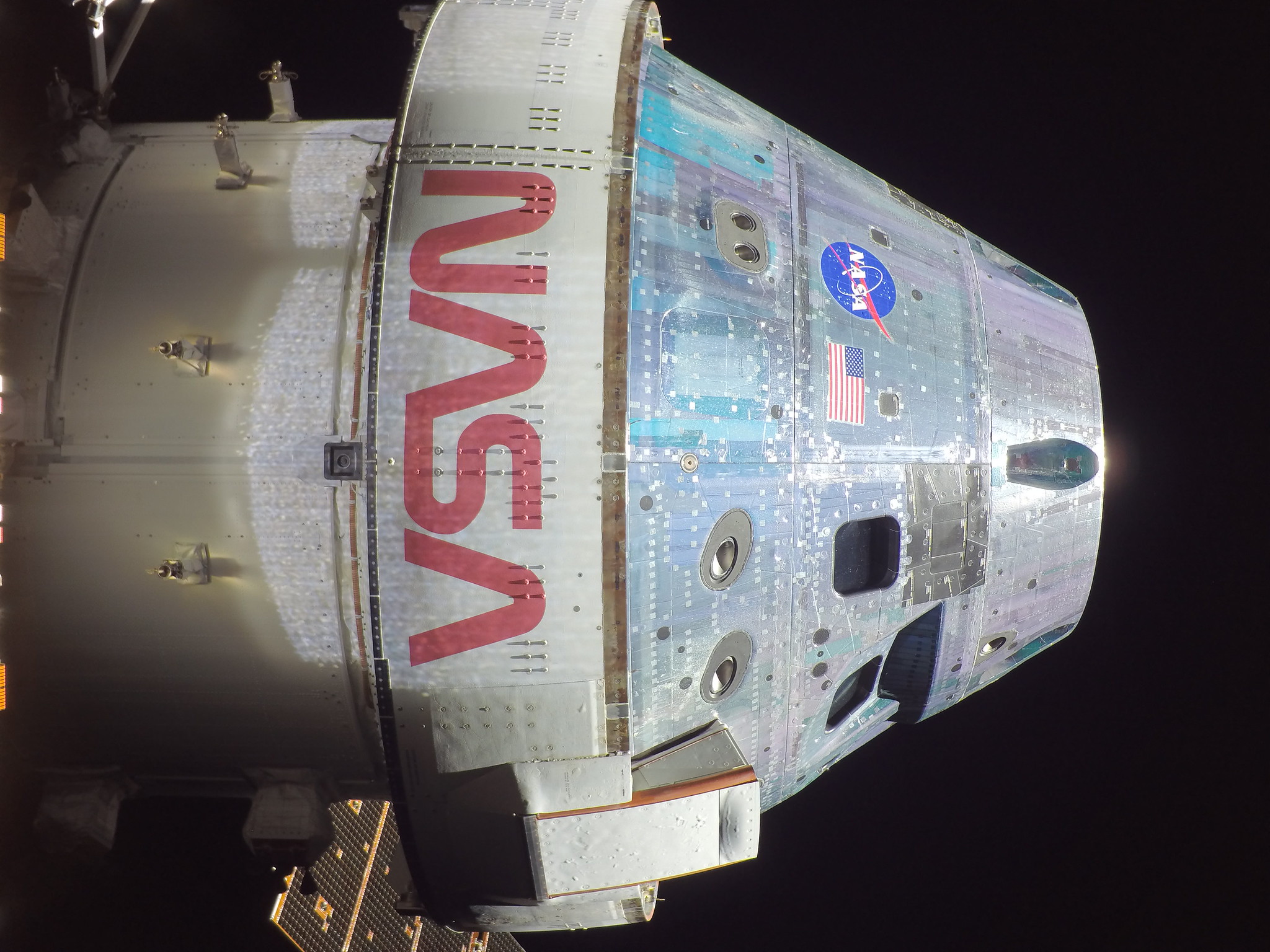
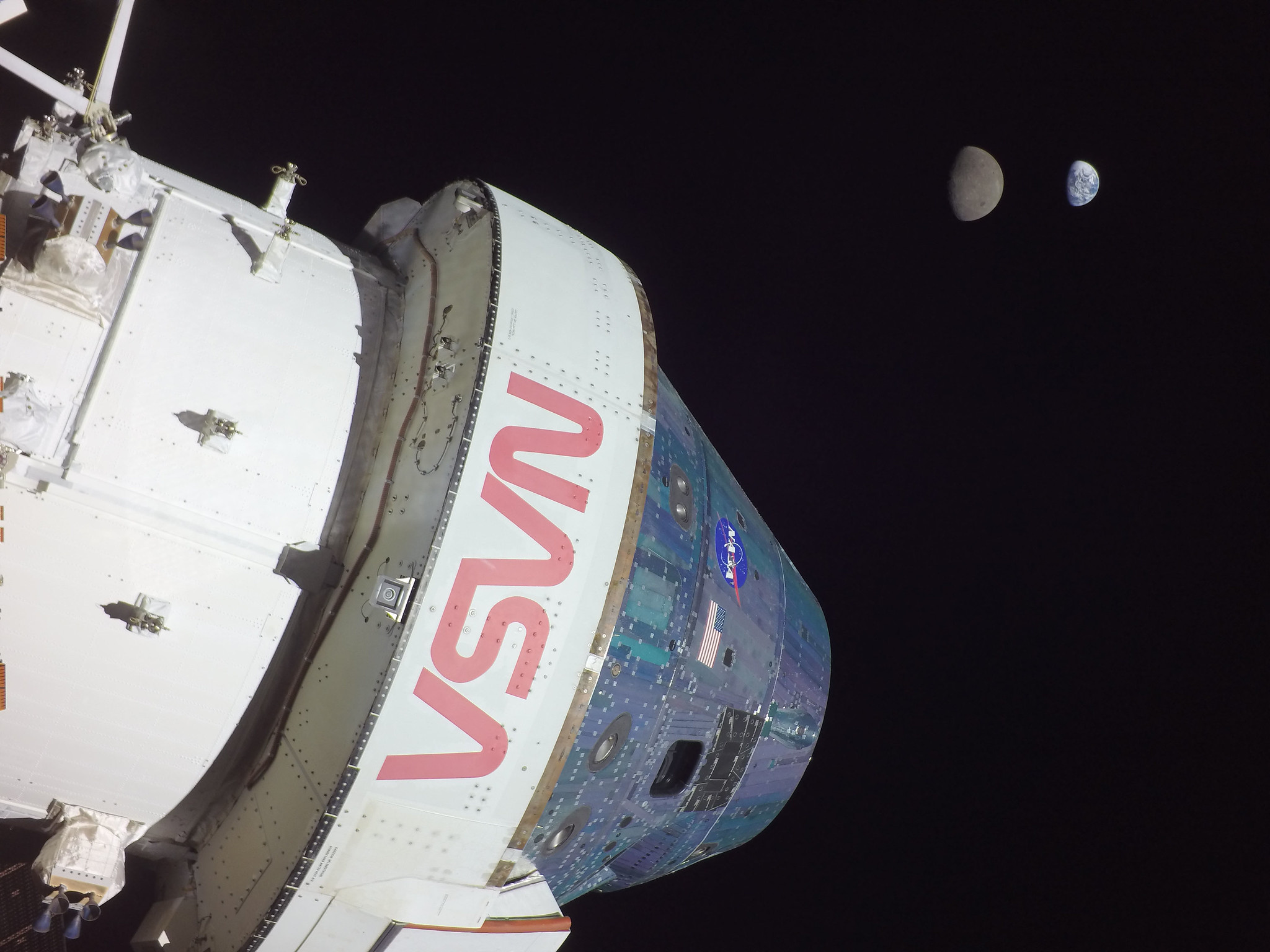
While Orion was in a distant orbit around the Moon, NASA engineers monitored the spacecraft’s behavior and collected data on the radiation environment. The spacecraft also took a series of selfies showing it against the backdrop of Earth and the Moon.
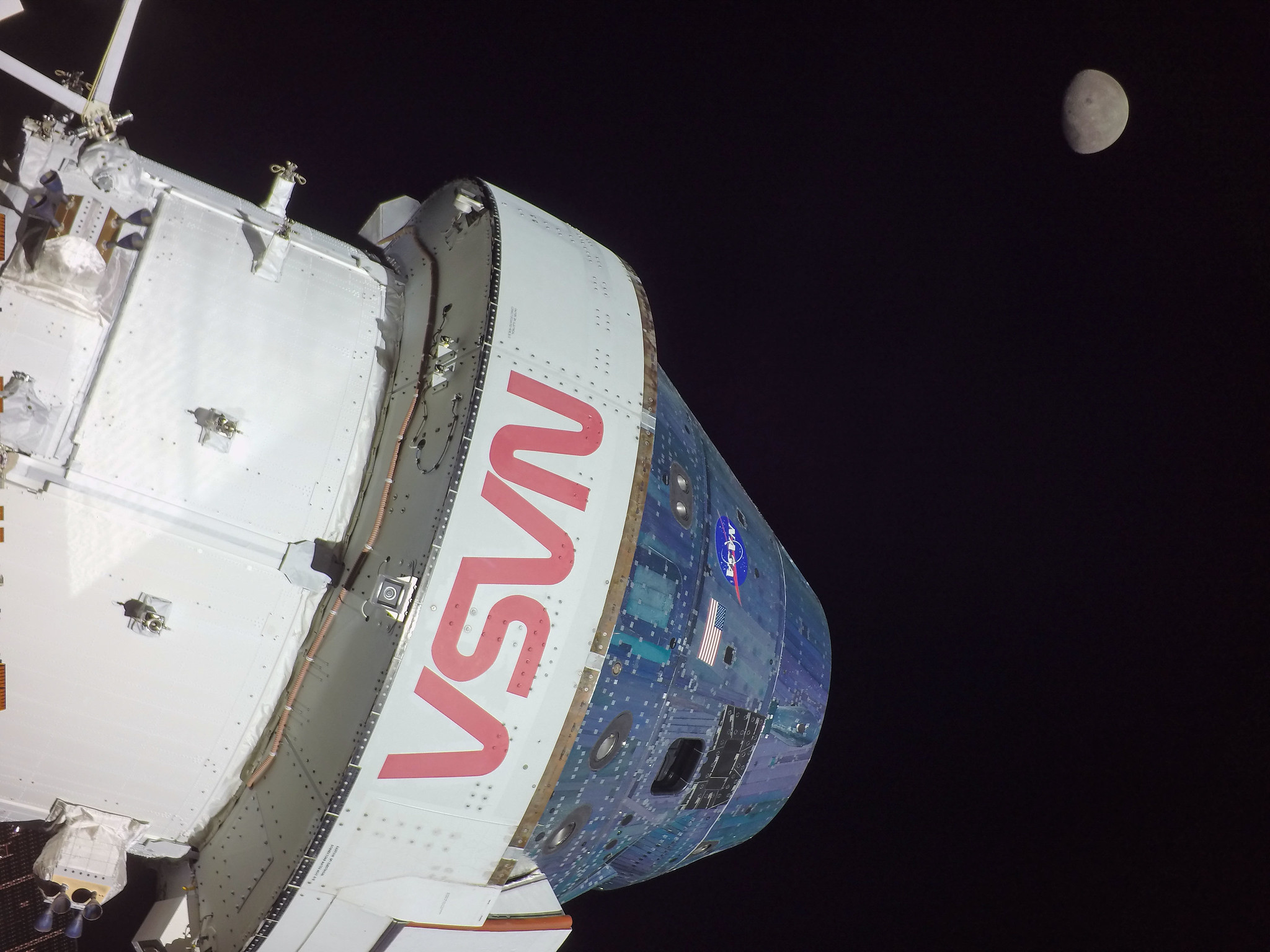
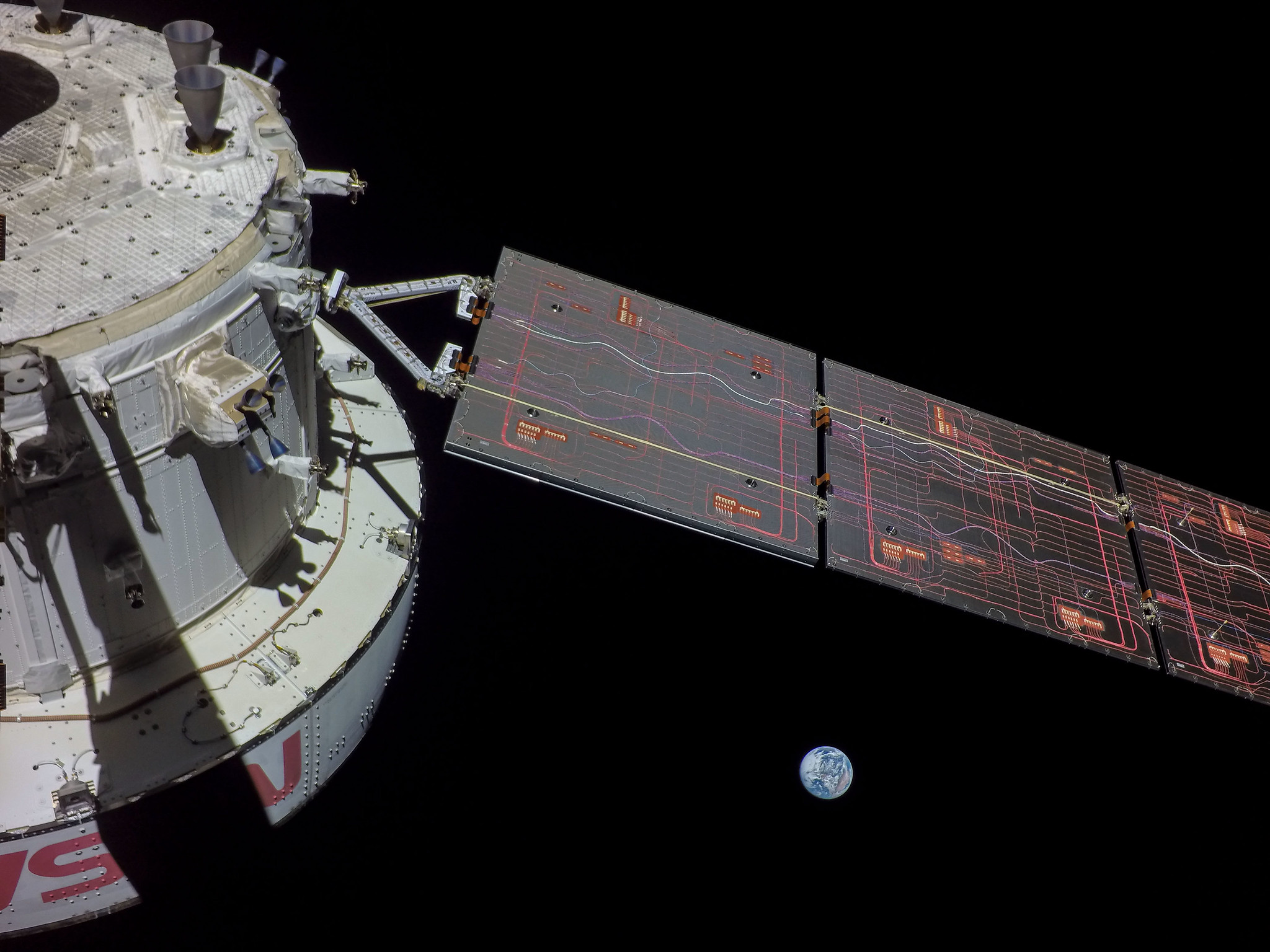
On November 28, Orion reached a distance of 432,210 km from Earth. This is the maximum distance achieved during the Artemis I mission.
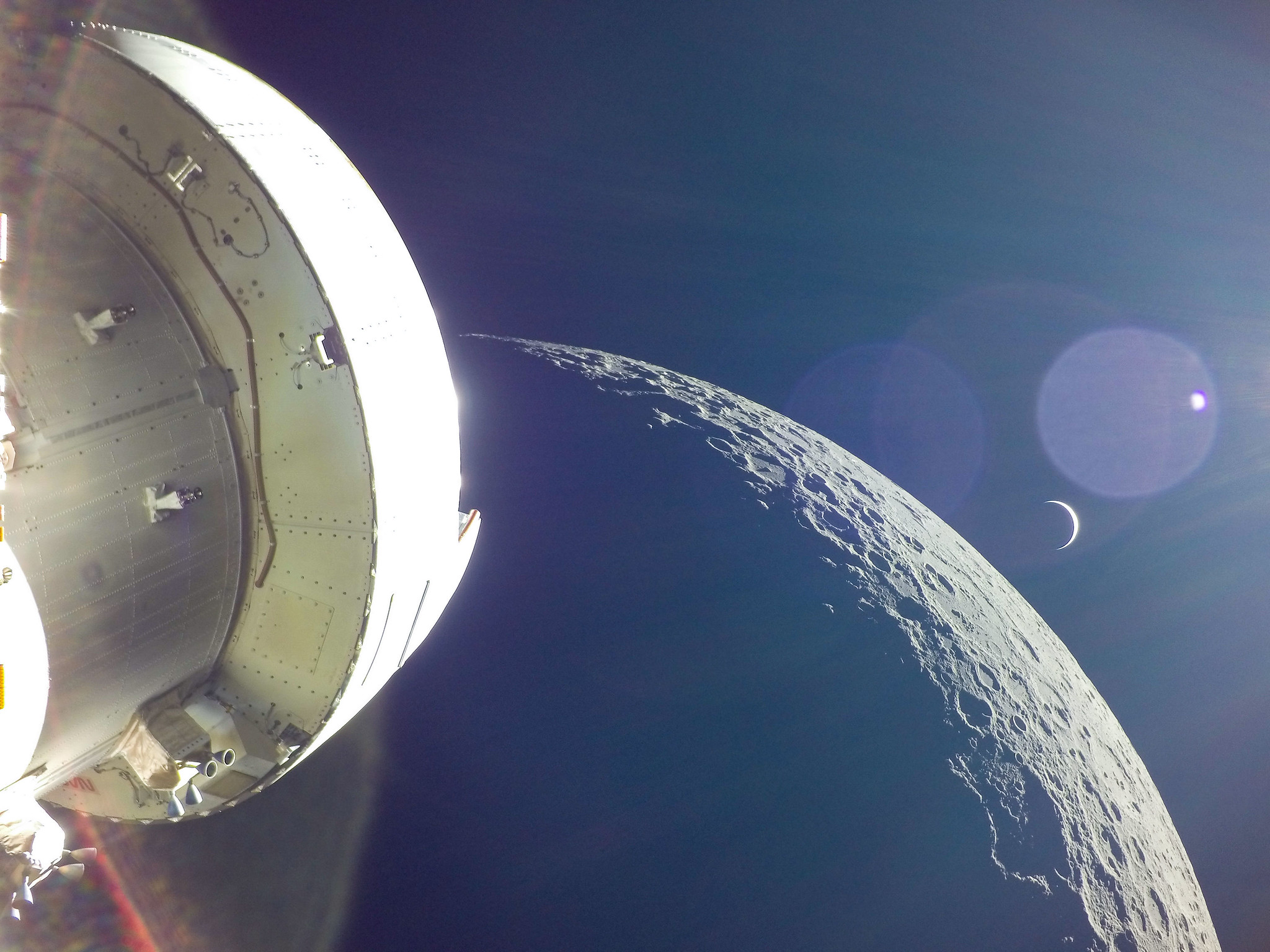
On December 1, the spacecraft reactivated its engine and left its distant retrograde orbit, beginning its journey home.
Source: NASA
On December 5, Orion flew 128 km above the surface of the Moon and performed a maneuver that allowed it to leave the Moon’s gravitational influence.
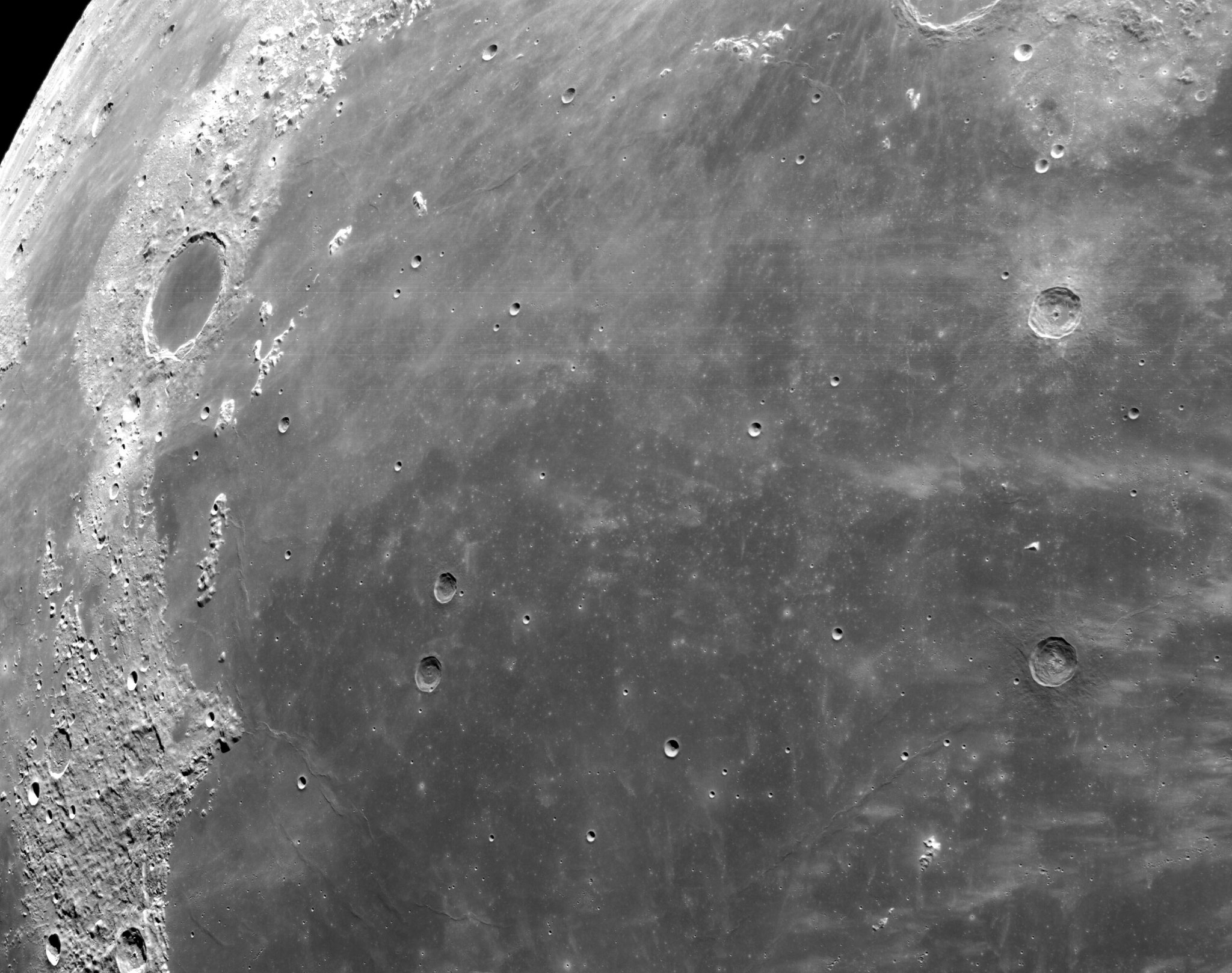
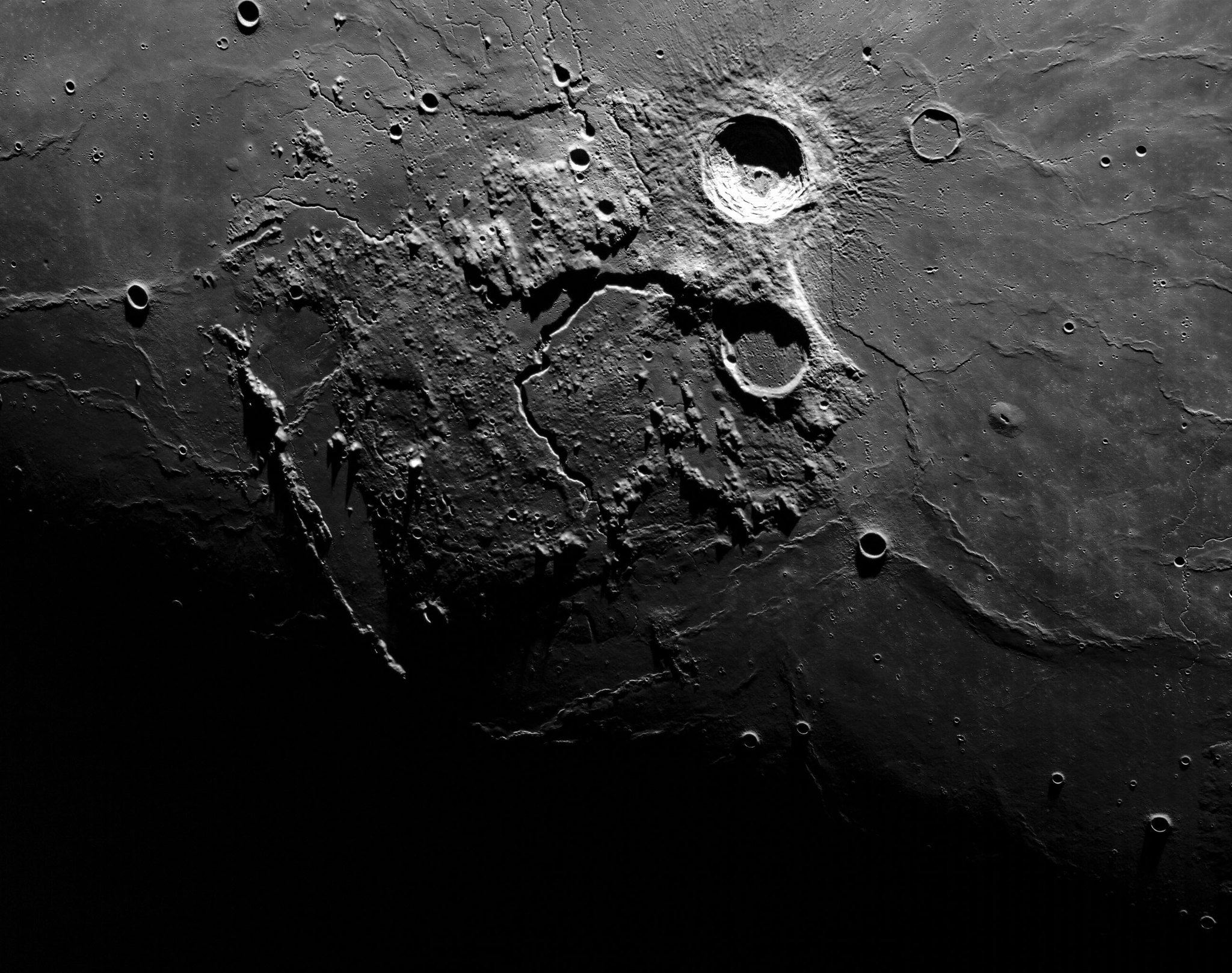
In the following days, the spacecraft made several course corrections while mission specialists prepared for its landing.
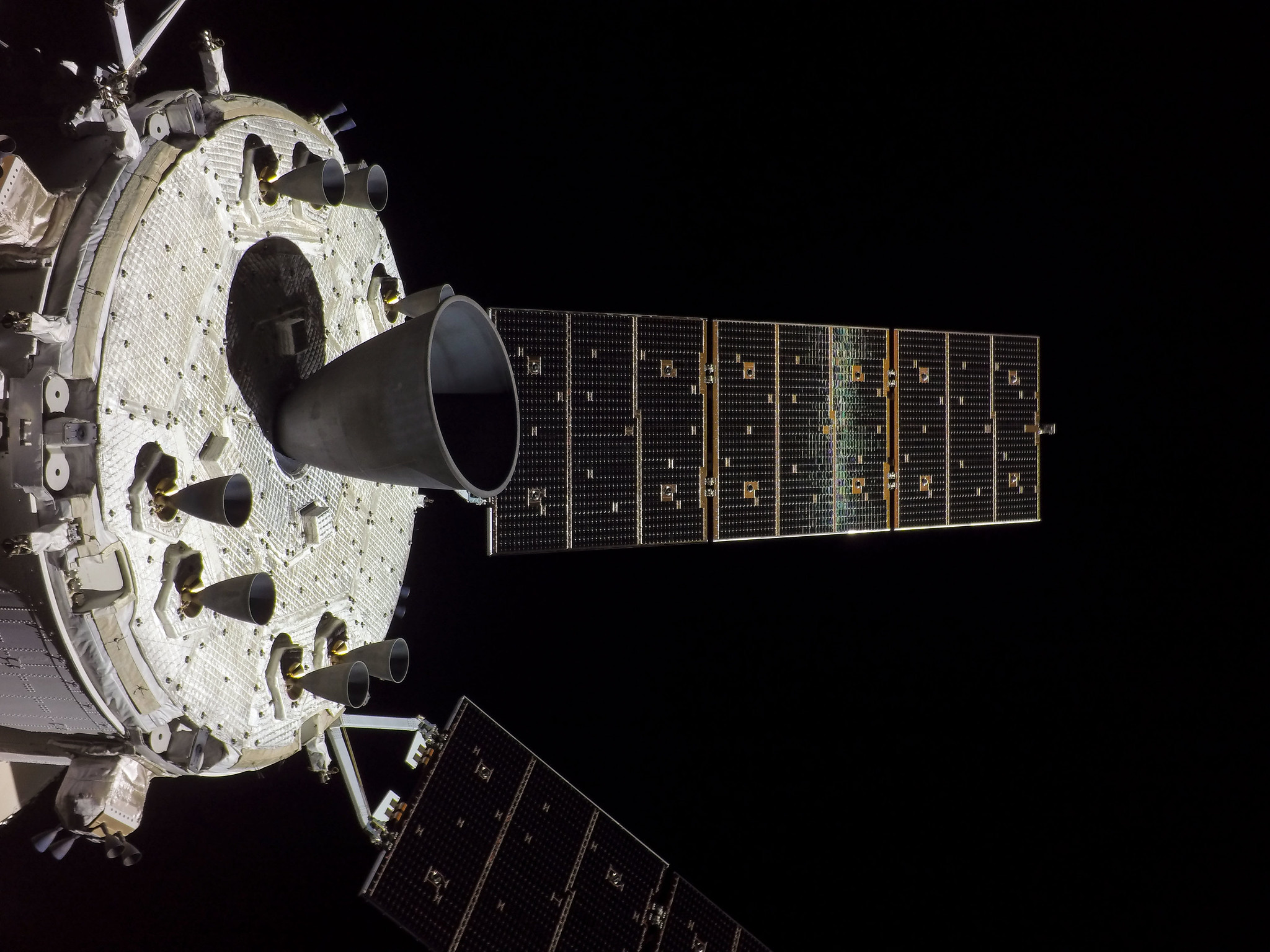
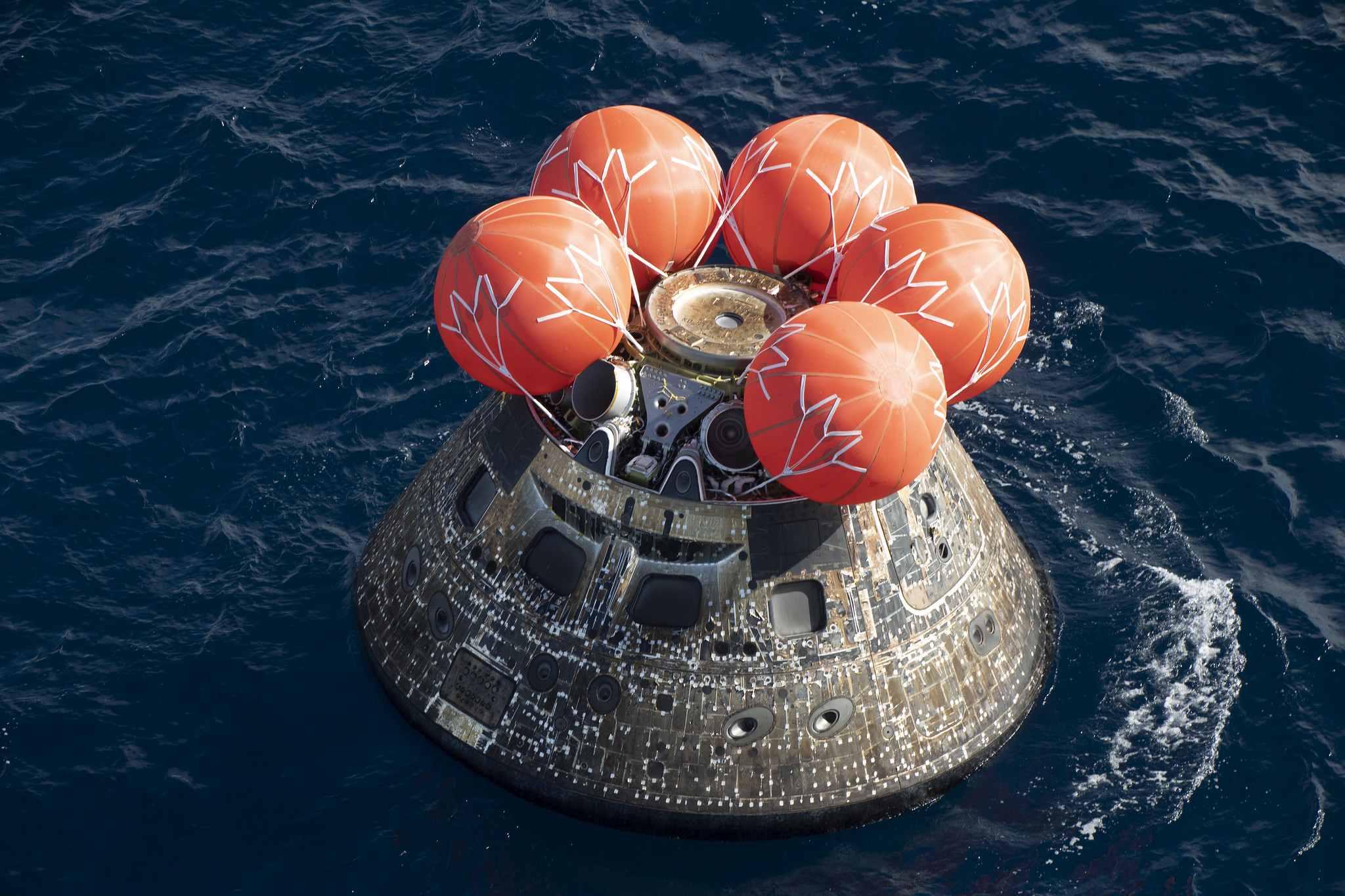
On December 11, 2022, Orion entered Earth’s atmosphere at a speed of 11.2 km/s, which is much higher than missions returning to Earth from the ISS. The spacecraft’s heat shield sustained more damage than expected, but still reliably protected the contents of the crew capsule.
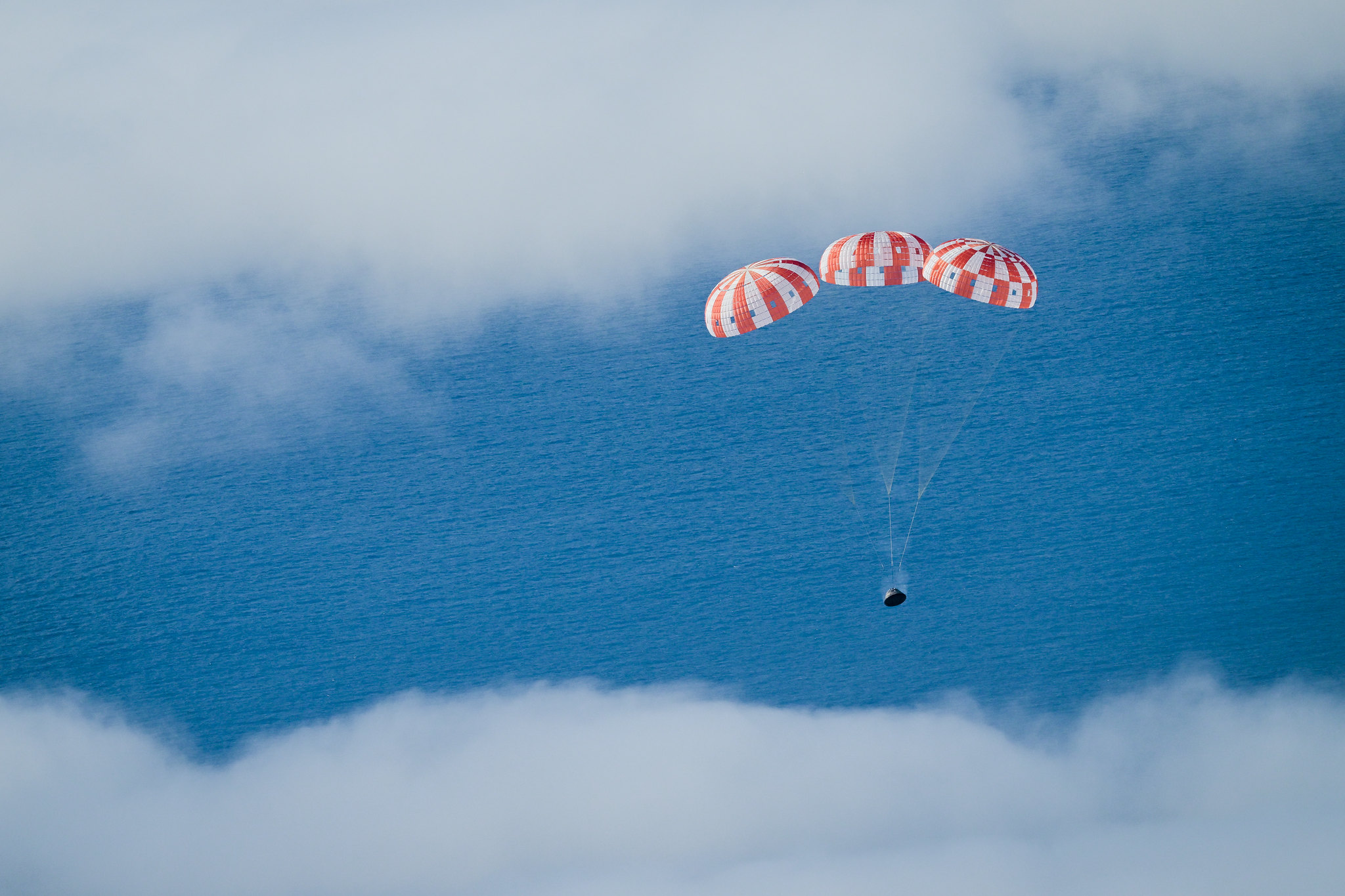
The Orion capsule successfully splashed down west of the California coast near Guadalupe Island. It was soon picked up by a ship and then taken to port. This marked the official end of the Artemis I mission.
You can find out more about the Artemis II mission flight plan in our article.

