

For more than 23 years, NASA’s Mars Odyssey spacecraft has been tirelessly working in orbit around the Red Planet. During its scientific mission, it made more than 100,000 orbits around Mars, setting an absolute record for the longest duration of any planetary mission. It continues to collect invaluable data about the Martian surface, climate, and minerals. The key discovery of Mars Odyssey was the enormous reserves of water ice beneath the poles of Mars, bringing humanity one step closer to colonization.
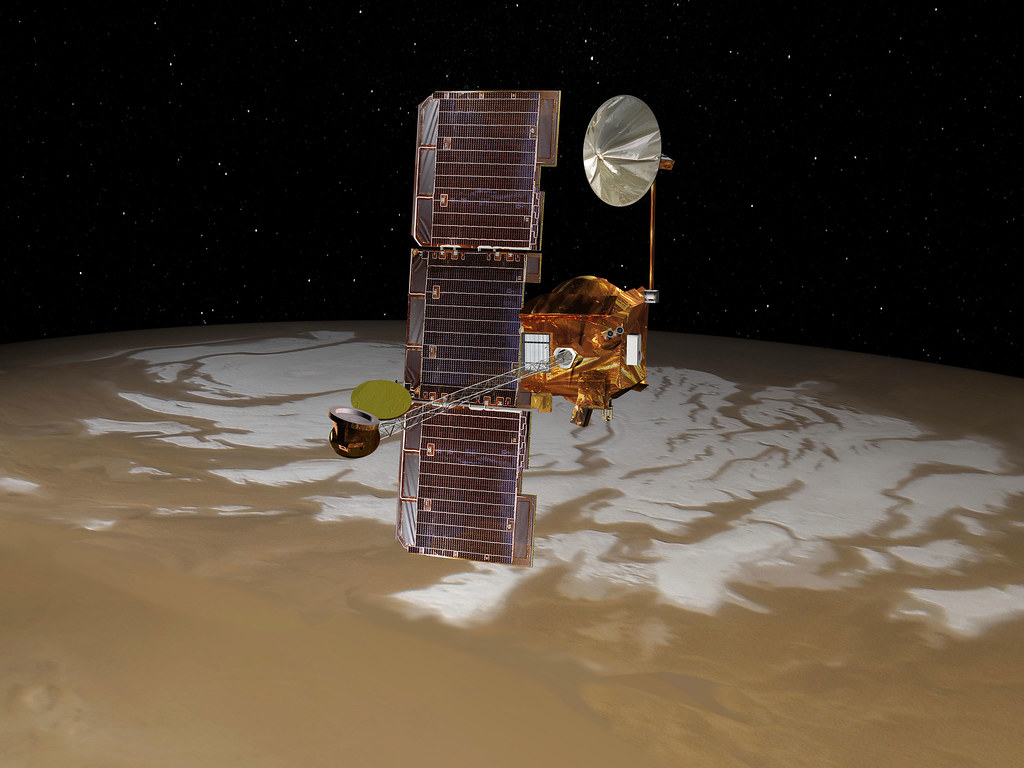
The spacecraft also plays a vital role as a relay for communications with the Perseverance and Curiosity rovers on the surface. Although the Odyssey’s fuel is gradually running out, its scientific mission is far from over.
Budget axe
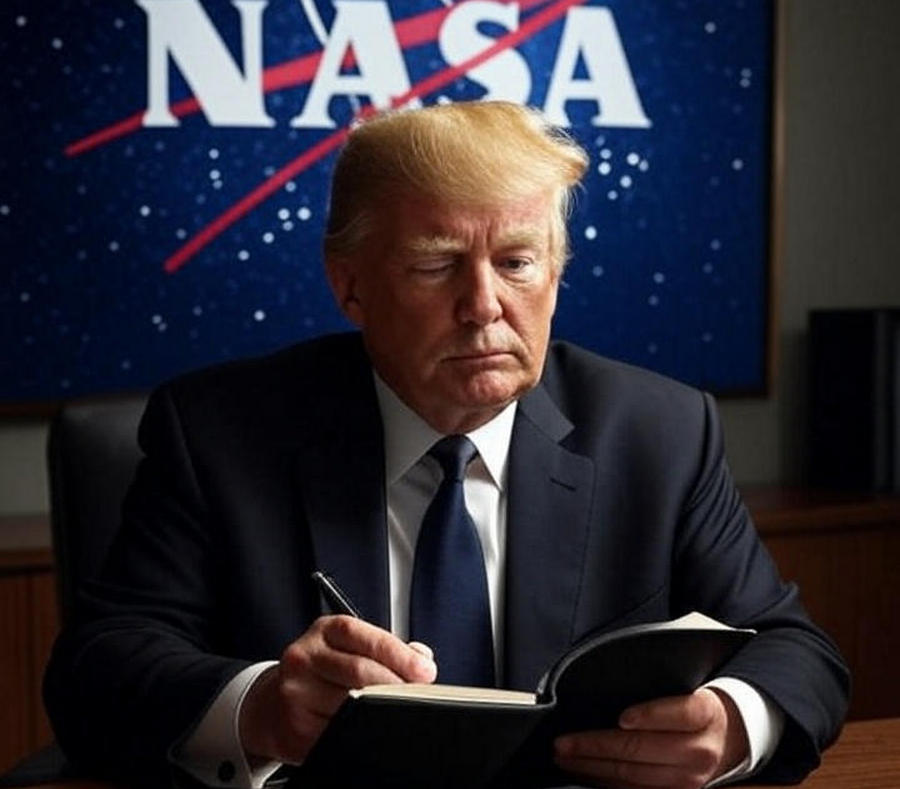
However, the future of the faithful Martian explorer, like dozens of other NASA scientific missions, was on the verge of being shut down. The Trump administration’s budget proposal for fiscal year 2026 calls for a sharp reduction in NASA’s science funding — a 50% cut from $7.33 billion to $3.9 billion. The administration believes that the space agency has become “too scattered” by supporting more than 100 missions. Therefore, Mars Odyssey, along with the MAVEN and Juno orbiters, have been blacklisted for complete closure. Even the legendary Hubble is facing significant cuts.
The smallest budget in 40 years
The consequences are already catastrophic. NASA took measures before the budget was approved: approximately 900 employees (5% of the workforce) were laid off in February 2025, and another 1,500 accepted voluntary redundancy offers by the end of July. “We have to act now to redistribute personnel,” said Deputy Administrator Casey Swails.
The Jet Propulsion Laboratory (JPL, California) and Goddard Space Flight Center (Maryland), pillars of scientific research, could lose up to half of their funding and will be forced to lay off thousands of specialists. According to forecasts, this will be NASA’s smallest science budget since 1984.
The scientific community is sounding the alarm
Scientists and engineers are outraged. Dozens of NASA employees and contractors protested outside the agency’s headquarters with signs reading “Save NASA.” Seven former NASA science directors sent a letter to Congress warning of the devastating consequences of the cuts. They focus on the fact that space science is critical to innovation, US prestige, and countering China’s ambitious, well-funded space program.
“If the administration wants to stand up to China, the US should invest in science, not abandon it,” the letter says.
Scientists point out the absurdity of closing effective missions. The Mars Odyssey costs “only” $10 million per year to operate, which is 22 times less than its launch in 2001, which cost $218 million. Hubble costs NASA $93 million annually, while launching new telescopes costs astronomical sums — James Webb cost the agency $10 billion.
“Canceling missions makes no scientific or budgetary sense,” emphasizes Shannon Curry, head of the MAVEN mission. The money saved by closing old projects will not go toward new ones — Trump’s proposal also cancels most future scientific launches. The cuts will also affect the STEM education program, which contradicts NASA’s stated mission to “inspire the next generation.”
Hope for the future
Geophysicist Richard Zurek, who recently left JPL, talks about the end of the “golden age” of exploration: “We have experienced a golden age of space exploration. I hope we don’t lose our remarkable achievements.”
The future of NASA’s Mars Odyssey and other space veterans is now in the hands of Congress, which has the final say on the budget.
Earlier, we reported on how Lockheed Martin would save NASA’s canceled Mars Sample Return mission.
According to Washington Post

