
The Universe is full of mysteries. But the most interesting ones sometimes have a perfectly rational origin. Harvard astronomer Avi Loeb, known for his unusual hypotheses, has once again surprised the scientific community. This time, he suggested that the recently discovered second neighbor of Earth may not be an asteroid, but a lost relic of Soviet cosmonautics.
Mysterious quasi-satellite
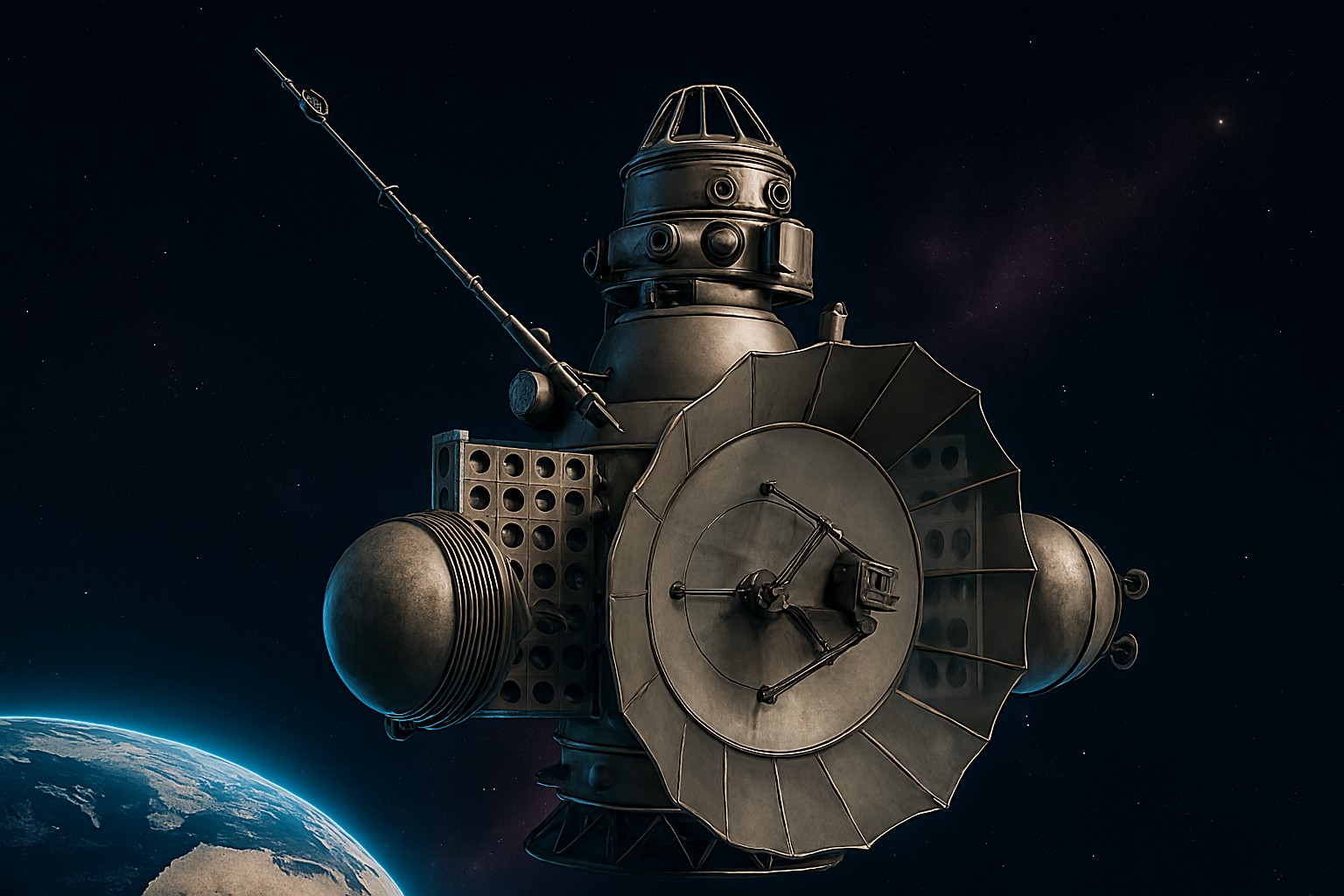
In August, astronomers discovered object 2025 PN7, a small body temporarily orbiting the Sun in an orbit similar to Earth’s. Such objects are called quasi-satellites. However, Loeb offered a sensational explanation: it could be the remnant of the Soviet Zond-1 mission, launched to Venus in April 1964. The spacecraft, which was supposed to be the first landing module on Venus, disappeared into the depths of space due to technical malfunctions.
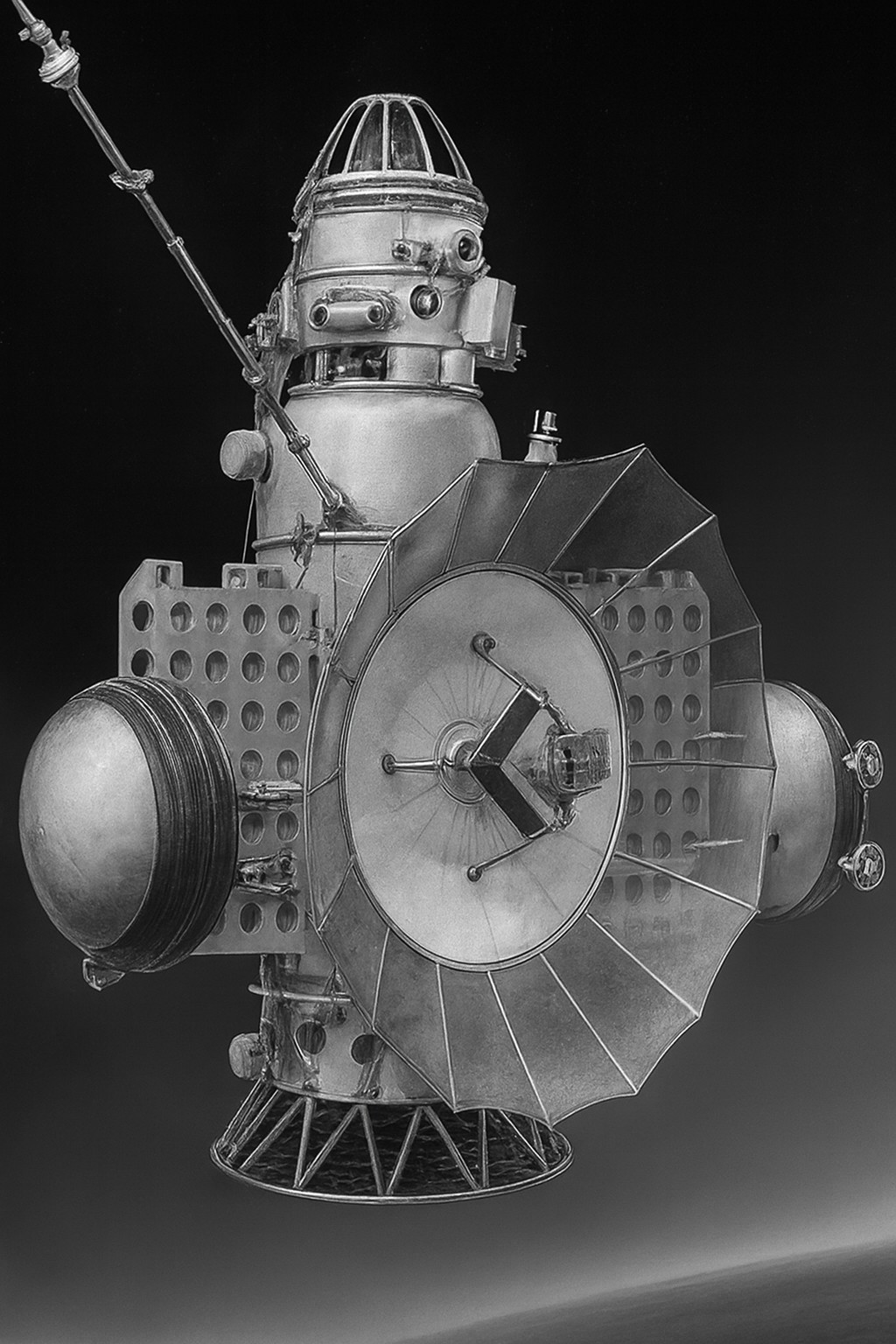
To prove his theory, Loeb and his colleague Adam Giberd recreated the flight path of Zond 1. Comparing it with the orbit of 2025 PN7, the researchers concluded that they could be related. According to their version, the spacecraft, while attempting to reach Venus, entered a solar orbit and now, half a century later, has returned to Earth as a “secondary moon.” An alternative explanation is that it is the upper stage of the launch vehicle that carried Zond 1 into space.
Space relics
This idea is not as fantastical as it seems. In 2020, object 2020 SO, initially mistaken for an asteroid, turned out to be the upper stage of the Centaur rocket from NASA’s Surveyor 2 mission, launched in 1966. For more than 50 years, this man-made ghost traveled through the Solar System before it was identified.
Loeb suggests a simple way to test the hypothesis: conduct a spectral analysis of 2025 PN7. The chemical composition of the object’s surface will instantly reveal its origin: natural or technological. If it is indeed “Sonda-1,” we will have a unique opportunity to study an artifact from the early space age that has made a remarkable return home.
Earlier, we explained in detail about such things as quasi-satellites and where to look for them.
According to medium.com

