

The constellation Virgo contains a large number of bright stars that are worth mentioning. Its other stars are known for having exoplanets orbiting around them. It is also in the direction of the closest galaxy cluster to us. All of this makes it worthy of discussion.

Virgo
Astrologers are convinced that on August 23, the Sun will enter the constellation Virgo. In reality, this will happen almost a month later – on September 17. There are several reasons for this, the main one being the precession of the Earth’s axis of rotation. You can read more about this in this article.
Of all the zodiac constellations, Virgo is where the Sun stays the longest – 44 days. It only leaves on October 30. In addition, this constellation contains the point of the autumn equinox.
In general, Virgo is a huge constellation with many prominent stars. However, when the Sun is in Virgo, it is impossible to see them because they are in the sky during the day.
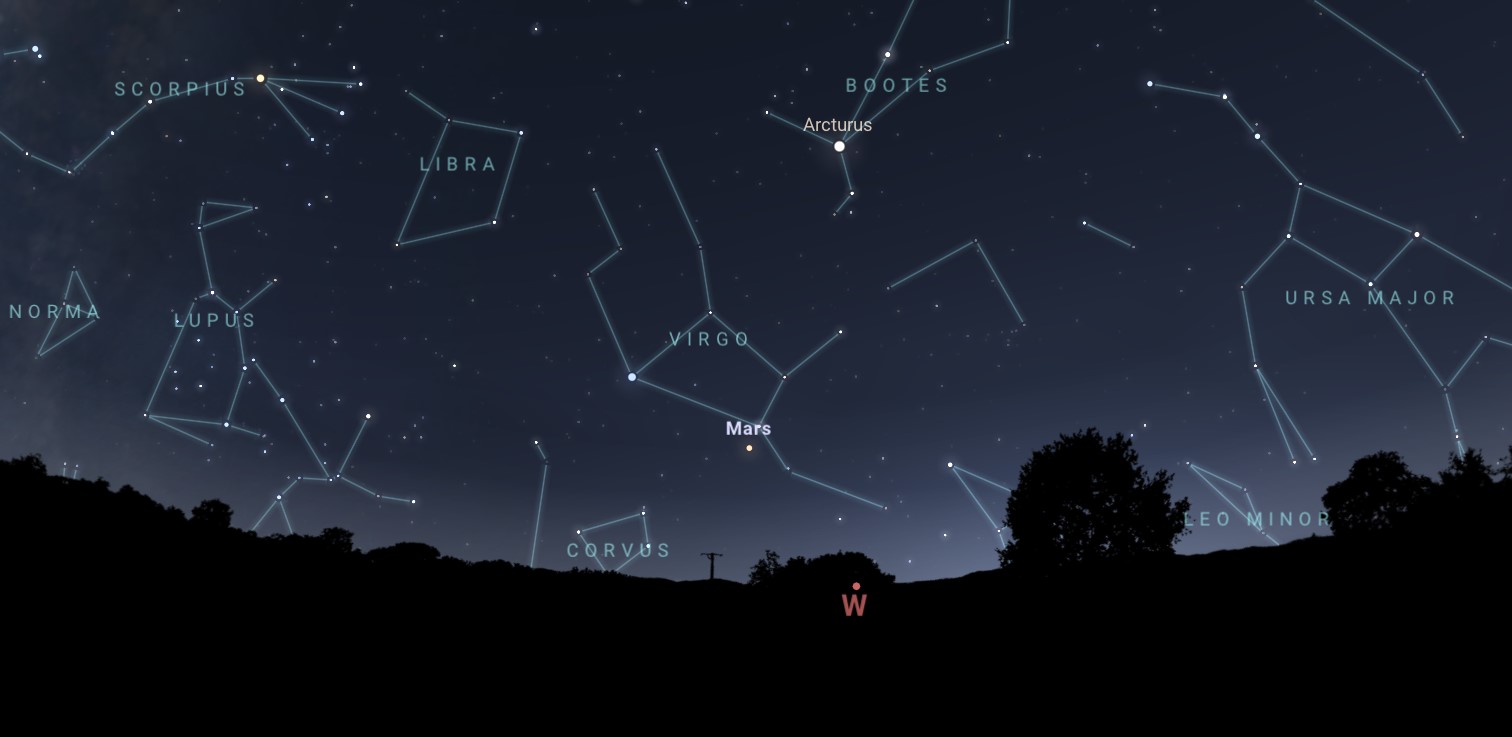
To properly observe the constellation Virgo, you need to watch it in late winter or early spring, when it rises highest in the middle of the night. The best way to find it is to start with the constellation Leo, which you can read about here, and then look east of it to find what you need.
Heavenly goddess
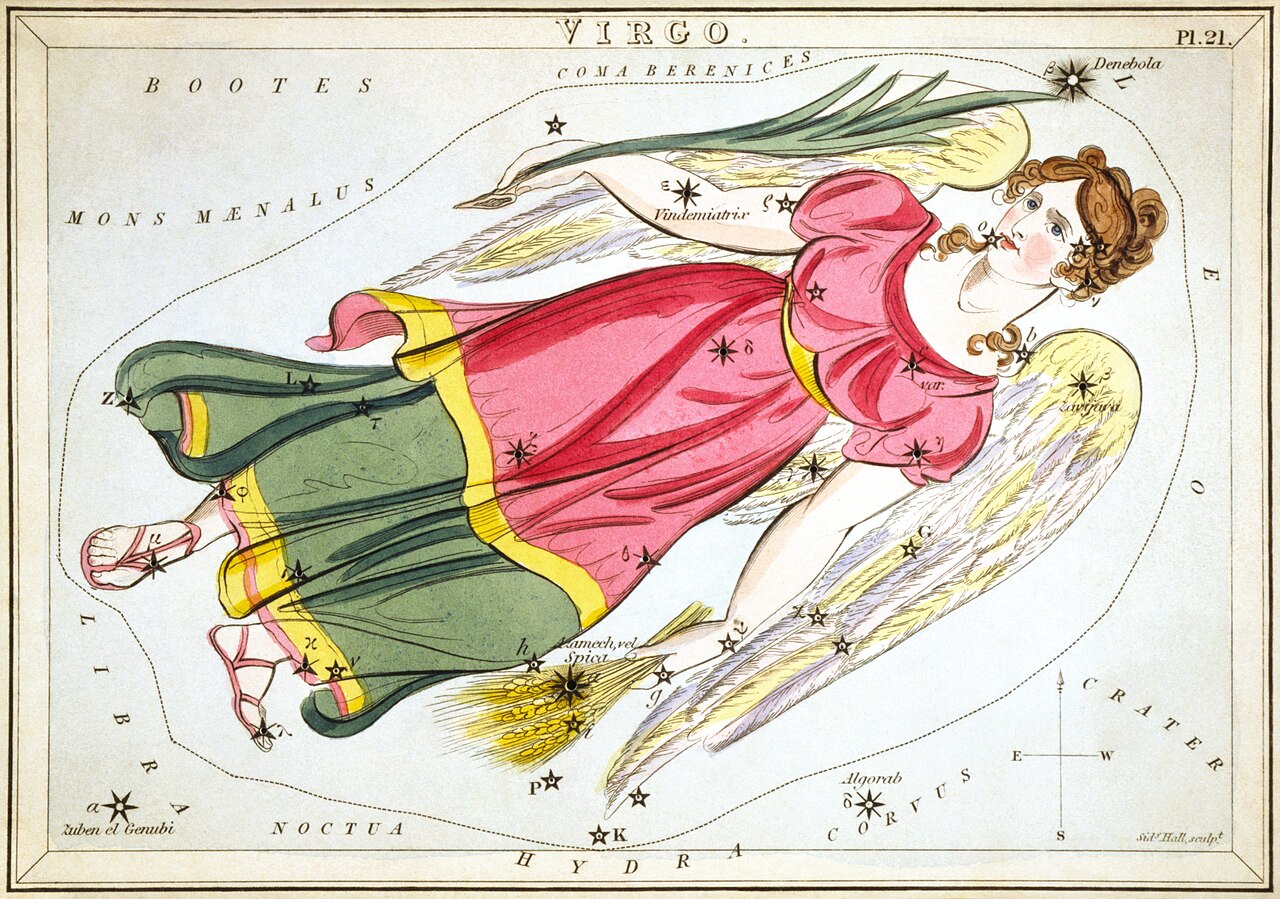
As with other zodiac constellations, the name “Virgo” came to us from the ancient Greeks and Romans. However, it was not they who first saw a woman in this group of stars, but the Babylonians, who mastered sky observation much earlier. They believed that this was the goddess of fertility, Shala.
It is from them that the tradition of seeing the brightest star in the constellation as an ear of corn held in a woman’s hand originated. Translated from Latin, “Spica” means “ear of corn”. When the Greeks adopted astrology from them, they began to see in the heavenly woman their goddess of fertility, Demeter. Then the same thing happened with the Romans, for whom this constellation was identified with Ceres.
Interestingly, the ancient Egyptians also saw a connection between this constellation and the harvest. However, given that the sun enters it just when everyone in the Northern Hemisphere is harvesting grain, this is hardly surprising.
The brightest stars
Spica, or α Virgo, is the brightest star in this constellation. It is one of the 20 most visible stars in the sky. Together with Arcturus and Denebola, it forms the asterism known as the Spring Triangle. In reality, these three stars are quite far apart from each other.
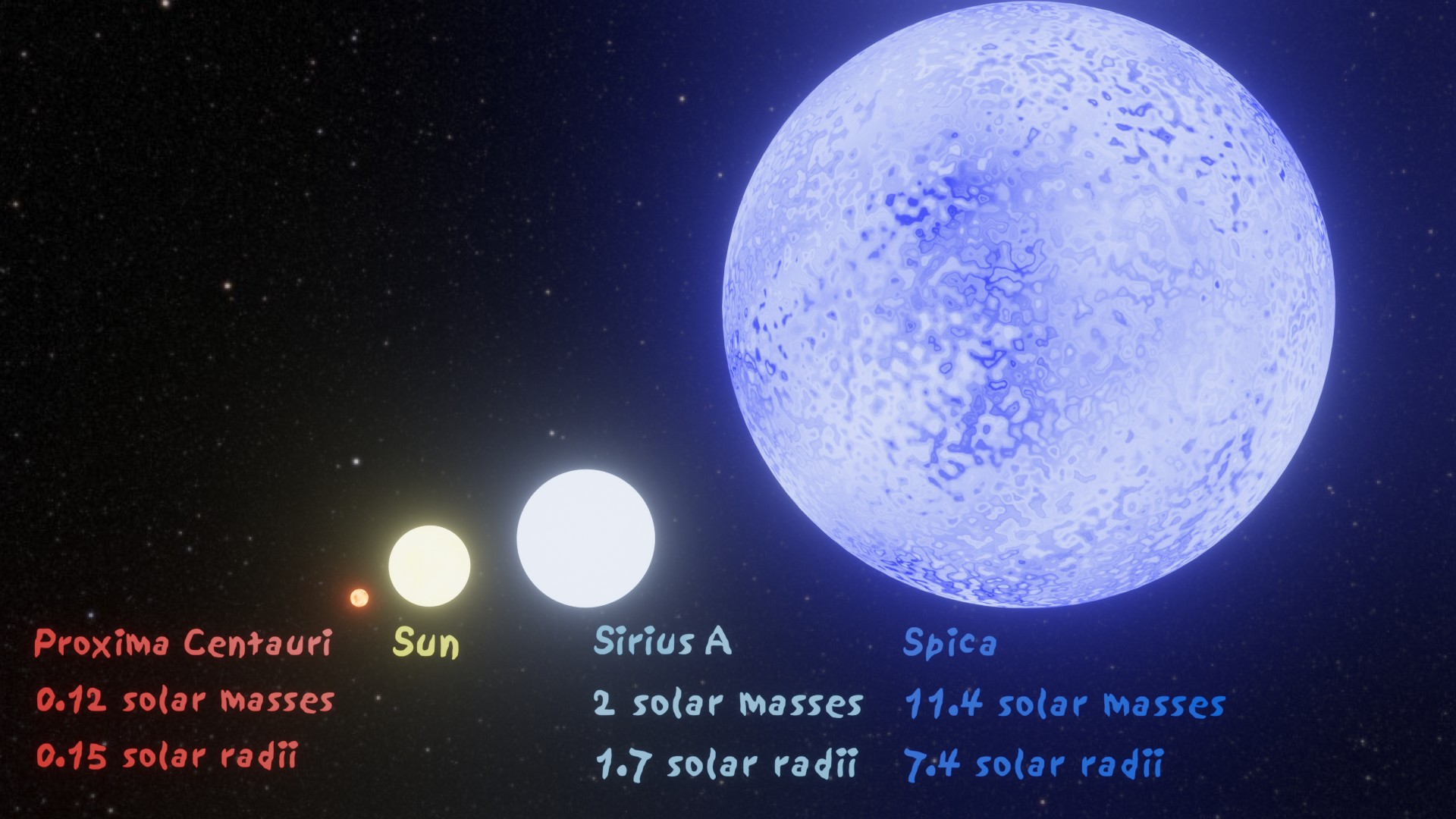
Physically, Spica is a double system located 250 light-years away from us. It is relatively young, with an age of 12.5 million years. It consists of two blue stars that orbit each other in just four days.
The first one is 11.4 times heavier than the Sun and 7.47 times larger in radius. The second one is 7.21 times heavier and 3.74 times larger in radius. At the same time, they are much hotter than our star and therefore exceed it in luminosity by thousands of times.
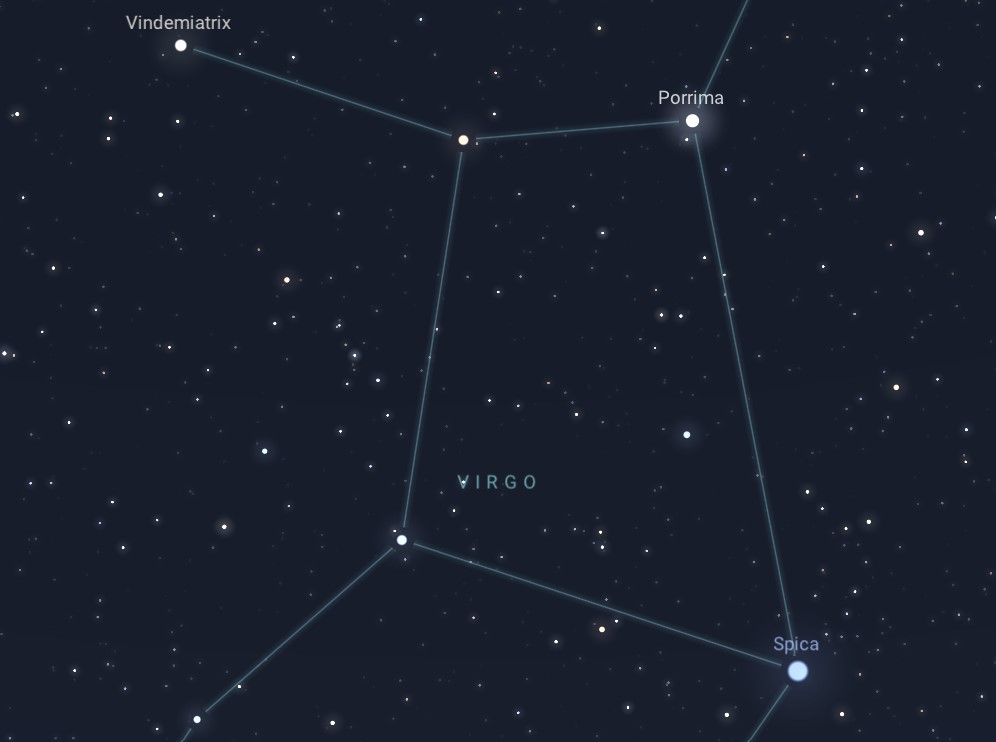
The second brightest star in the constellation is called γ Virgo, or Porrima. Its name comes to us from Ancient Rome. This was the name given to one of the goddesses of prophecy. She is considered the patroness of fortune tellers.
Porima is located only 38 light-years away from us and consists of a pair of F-type stars orbiting each other once every 169 Earth years. Their orbit is very eccentric, meaning that the distance between them varies greatly. Each star is about 40% more massive than the Sun and four times more luminous.
The third brightest star in the constellation is ε Virgo, or Vindemiatrix. Its somewhat strange name can be translated from Latin as “grape gatherer”, which is related to the fact that it rose in the sky just when it was time to harvest sweet grapes.
Vindeminatrix is 110 light-years away from us. It is 2.7 times more massive than the Sun, and despite its relatively young age of 700 million years, it is already beginning to leave the Main Sequence, although it is still a yellow star with a surface temperature slightly lower than that of our Sun.
The hydrogen inside it is running out, helium is beginning to “burn”, and the radius of the star is already 11 times greater than that of the Sun. In the future, its diameter will increase even more, it will turn into a red giant, and then, in the next few hundred million years, it will shed its outer layers and turn into a white dwarf.
Exoplanets
The Virgo constellation has not only bright stars, but also stars around which interesting exoplanets revolve. The closest of these is Ross 128, located 10.9 light-years away from us. It is a red dwarf with a mass of 18% of the Sun’s.
So far, only one planet has been discovered near this star. It is a hot super-Earth, with a mass 80% greater and a radius 60% greater than that of our planet. It completes one orbit around its star in 9.9 Earth days.
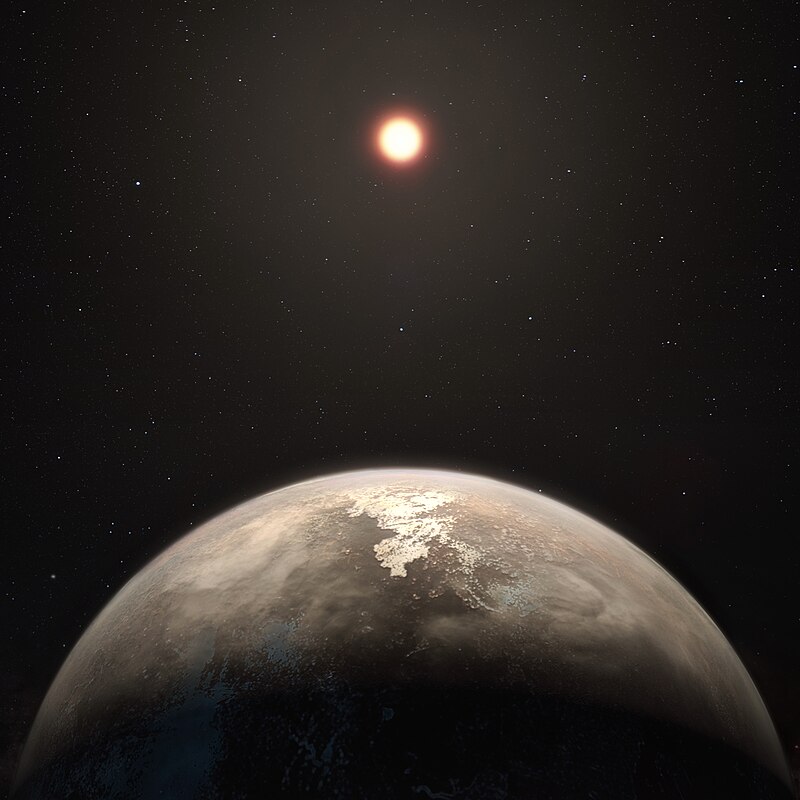
Its orbit has a fairly high eccentricity of 0.21 and is located near the inner edge of the Goldilocks zone. Theoretically, there is a chance that life exists on it, but most likely, given its mass, it has a powerful atmosphere and hydrosphere, which cause a significant greenhouse effect, turning the planet into an analogue of Venus.
Another star close to us that has its planetary system is 61 Virgo. It is a yellow main-sequence star with a mass of 92% and a luminosity of 83% of the Sun. It is located at a distance of 27.8 light-years from us, which makes it potentially interesting for interstellar flight.
61 Virgo has three planets. The first of these, 61 Virgo b, has a mass at least 5.1 times greater than that of Earth. Scientists are currently debating whether planets of this size are more like a very large Earth or a small Neptune, or perhaps something in between, such as a planet covered by an ocean with an atmosphere so dense near the surface that it resembles a liquid.
In any case, 61 Virgo b is very hot, which is not surprising, given that it completes one orbit around its star in 4.21 Earth days. The temperature on its surface reaches 1054 K. It is so high that even some rocks melt under these conditions.
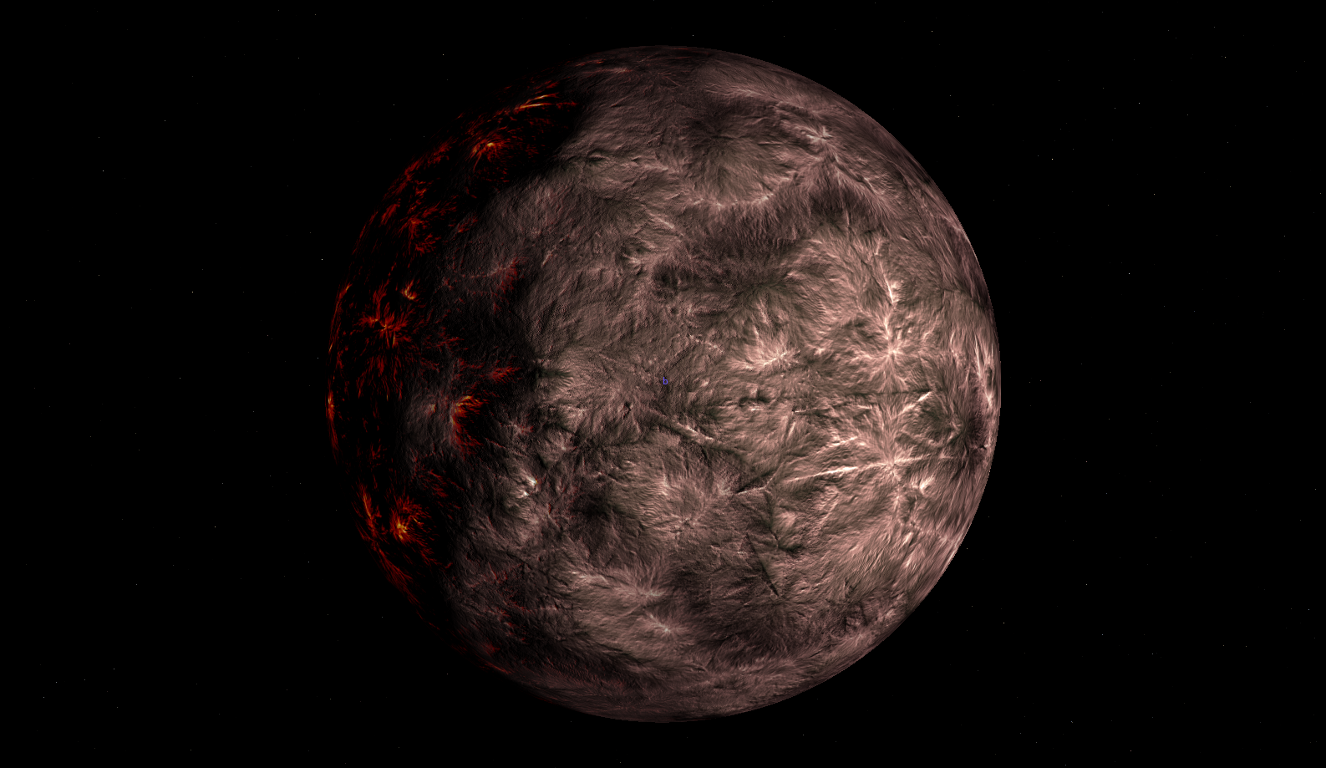
The second planet in the system, 61 Virgo c, is a hot Neptune. Its mass is 19 times greater than Earth’s, and it orbits its star once every 38 days. Based on the radius of its orbit, it must be at least as hot as Mercury.
The third planet in the system is called 61 Virgo d. It is a small gas giant, approximately 12 times more massive than Earth. It completes one orbit around its star in 123 Earth days. This means that the temperature on it, or any of its hypothetical moons, must be too high for life to exist.
The constellation Virgo also contains the star Ross 458. It is located 37.6 light-years away. It is a pair of red dwarfs orbiting a common center of mass every 13.6 years. The larger of the two has a mass of 55% of the Sun’s, while the smaller has a mass of about 9%. And there is a third object orbiting around both of these stars. Its mass is about 11 times that of Jupiter, which means that it is either a very small and cold brown dwarf or a very large gas giant.
Galaxies and their clusters
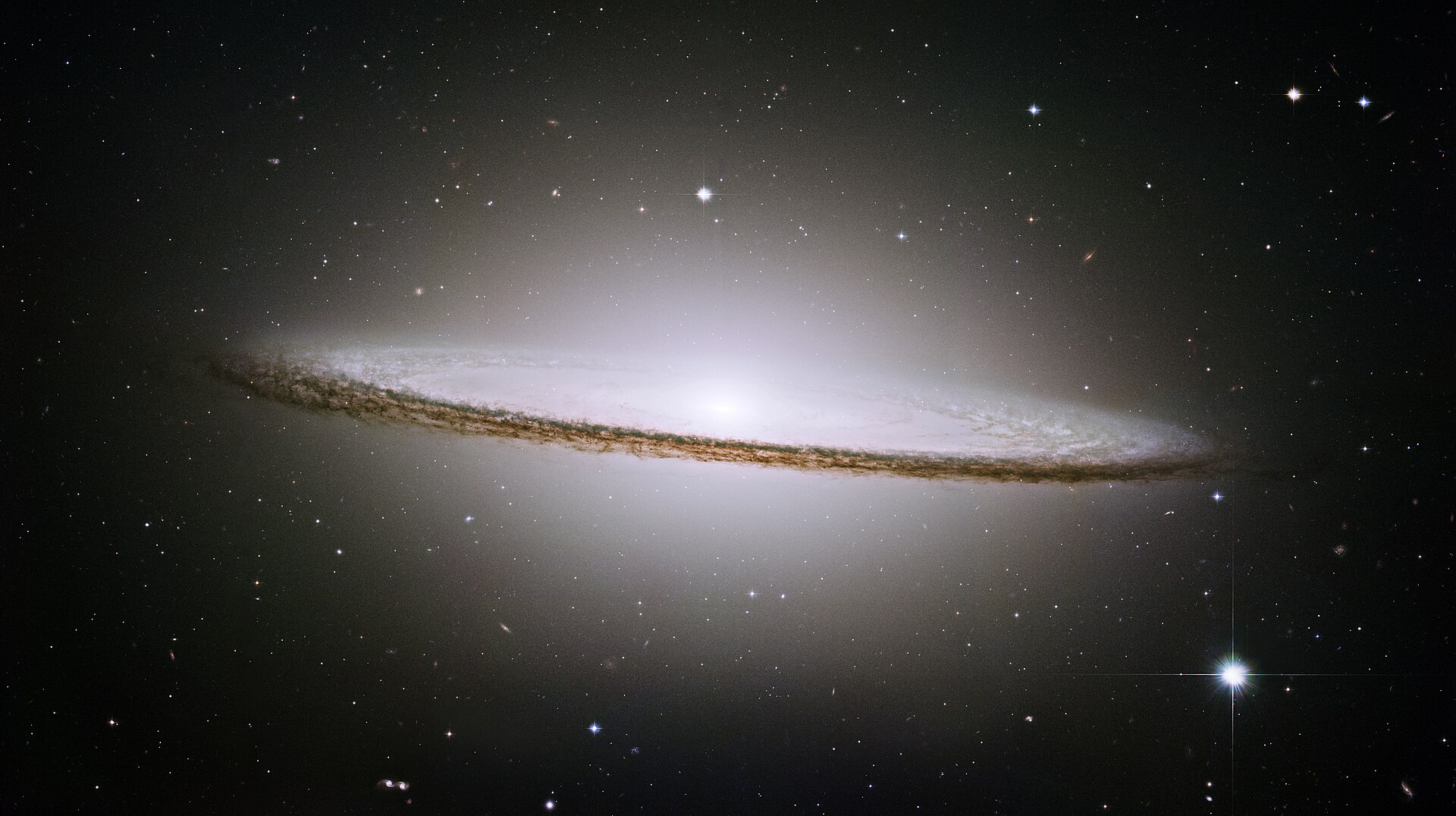
In addition to all of the above, the Virgo constellation is extremely rich in galaxies. In particular, it is home to the Sombrero Galaxy, or M104. This large star system is 30 million light-years away from us. A dark dust lane makes it look like a wide-brimmed hat.
In addition, the Virgo constellation contains a galaxy cluster of the same name. One of its members is the giant elliptical galaxy M87, known as a powerful source of radio emission. A giant jet originating from its center stretches for millions of light-years. It is in this galaxy that the supermassive black hole was imaged by the Event Horizon Telescope (EHT) in 2019.
Another member of this cluster is M86, another large elliptical galaxy. It is known for the bridge of ionized hydrogen between it and the neighboring star system NGC 4438. Some other neighboring galaxy pairs look similar.
The Virgo Cluster also includes galaxies such as M49, M59, M60, M62, and M84. In total, the cluster has about 1,500 members. It is divided into two clusters, called Virgo A and Virgo B.
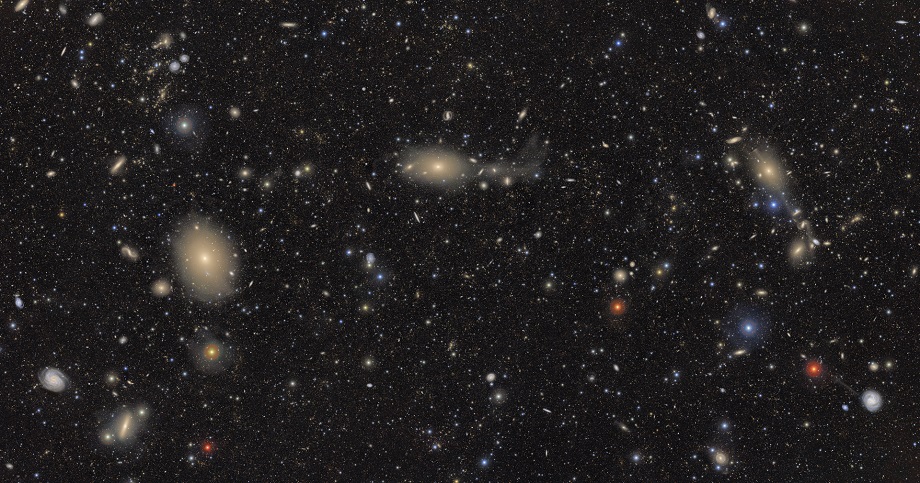
At the same time, the Virgo Cluster is the center of the Virgo Supercluster, a much larger cosmic structure that includes the Local Group with the Milky Way galaxy. It consists of about 30,000 star systems, and its mass is estimated at 1015 solar masses.
In addition to all of the above, the Virgo constellation contains the most distant cosmic object that can be observed with an amateur telescope. We are talking about the quasar 3C 273. In the sky, it is located approximately where the Virgo cluster is, but in reality, it is located far beyond it.
3C 273 is a supermassive black hole at the center of a galaxy 2.4 billion light-years away from us. This star system is so far away that even the most powerful telescopes can barely see it.
However, matter constantly falls into the black hole itself, and part of it is ejected outward in the form of radiation. This radiation forms a spot in the sky that has a magnitude of 12, meaning it is visible to the most powerful amateur telescopes.

