

The Artemis II mission in April put the Moon in the spotlight. Social media was flooded with discussions full of admiration for the images of the lunar surface. Professionals took advantage of the surge in interest in our moon to demonstrate the incredible capabilities of modern visualization.
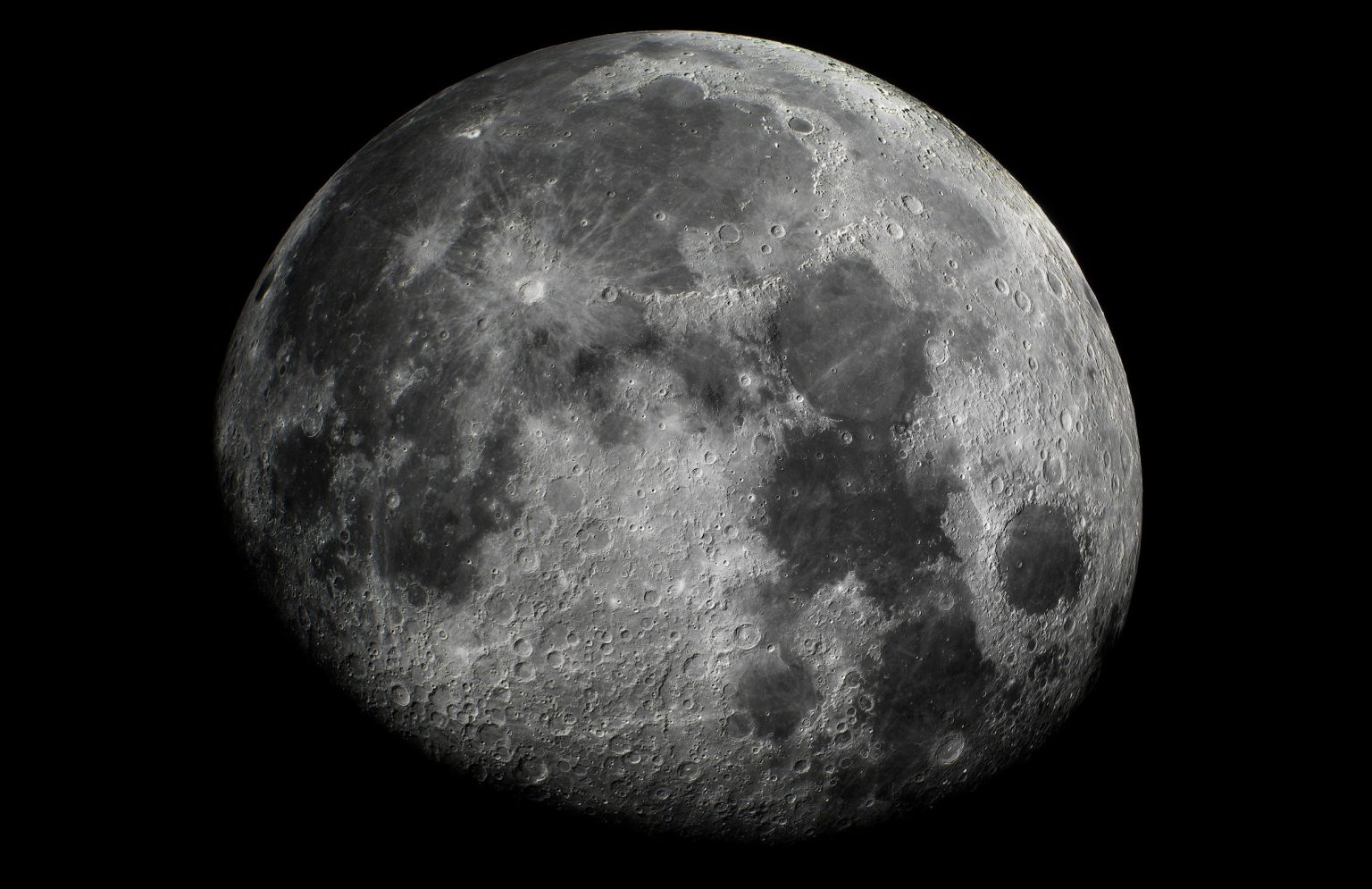
Simon Blakeney, a 3D graphics expert at Epic Games, has proven that you don’t have to be in orbit to capture the beauty of our moon. Using real topographic data from NASA, he created a digital replica of the Moon that rivals reality in terms of detail.
Magic of Lumen
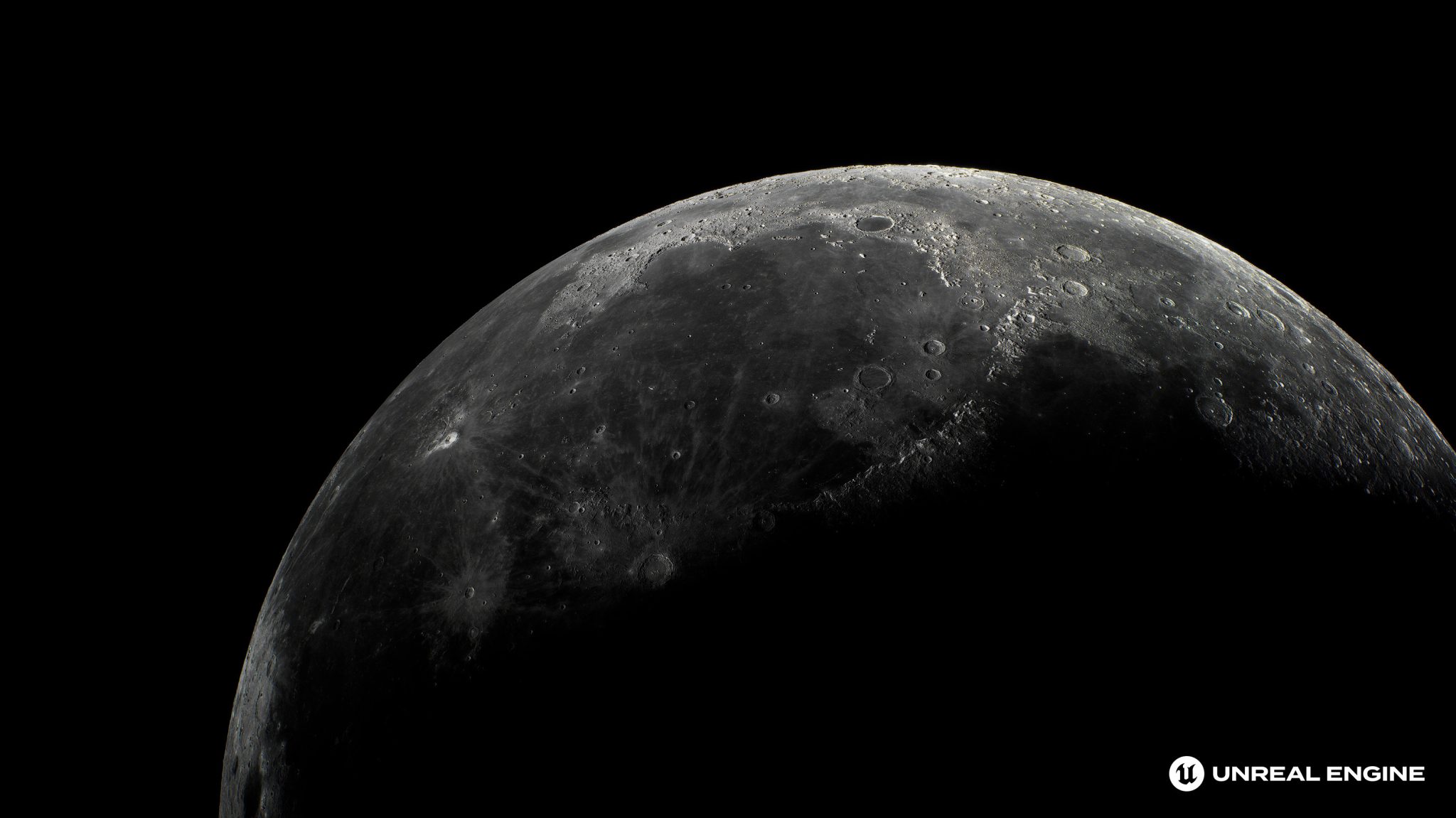
Simon Blakeney, a technical manager at Epic Games, brought this ambitious project to life using the cutting-edge Unreal Engine 5—the same engine used to create the Ukrainian video game S.T.A.L.K.E.R. 2: Heart of Chernobyl, for example. The main goal was not simply to “draw” the Moon, but to create a physically accurate model of it.
To achieve this, Blakeney used the Lumen system—an innovative dynamic global illumination technology. In space, where there is no atmosphere, light behaves differently: shadows remain deep and black, while sunlight reflecting off the regolith creates distinctive glare. Lumen made it possible to render this contrast with stunning realism, making the digital model almost indistinguishable from footage from the Artemis II live broadcast.
Scientific basis
This visual masterpiece is based not on artistic imagination, but on hard scientific data. Blakey used the Cesium Moon dataset. This is a massive collection of data gathered by NASA’s Lunar Reconnaissance Orbiter (LRO).
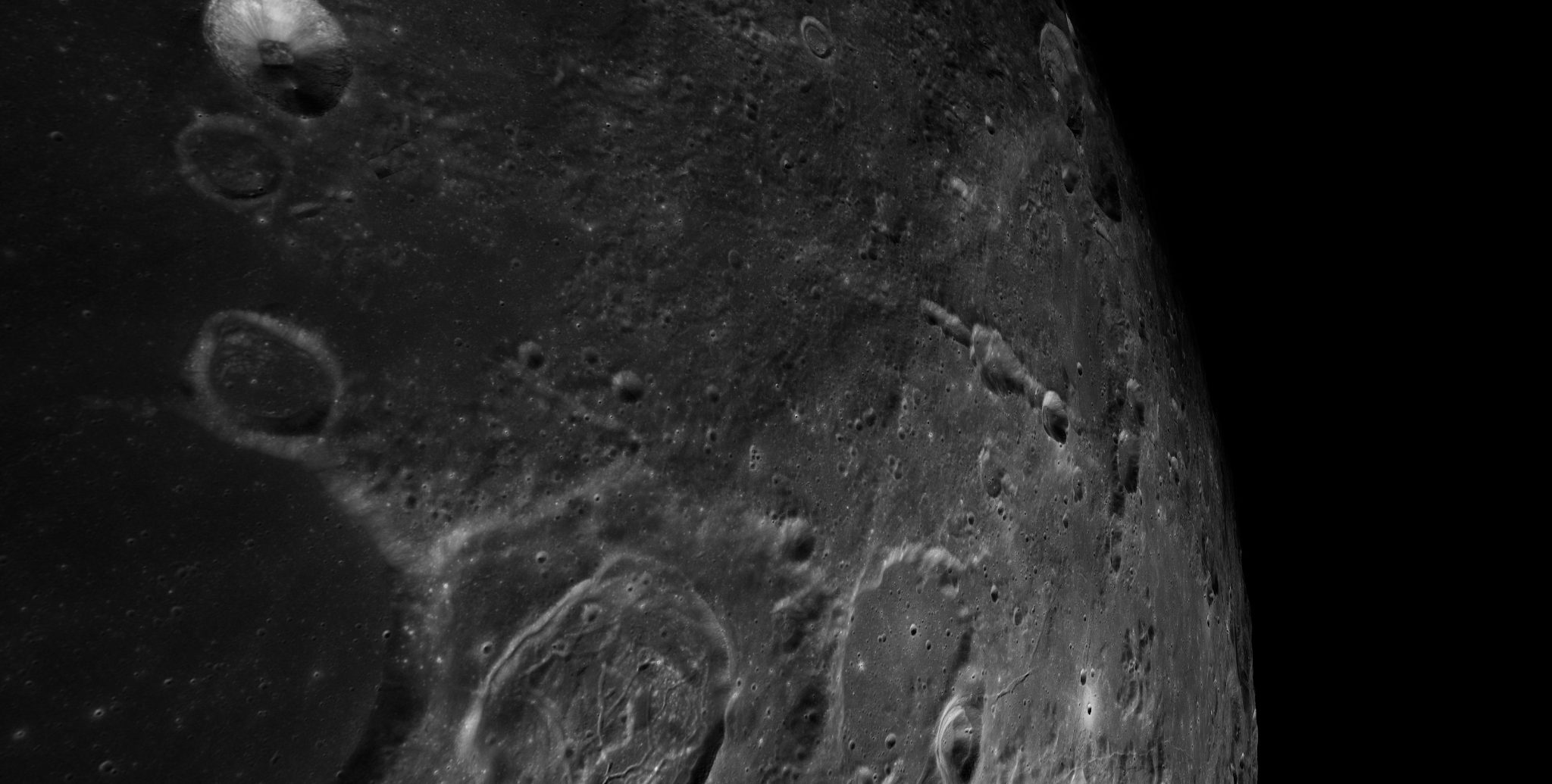
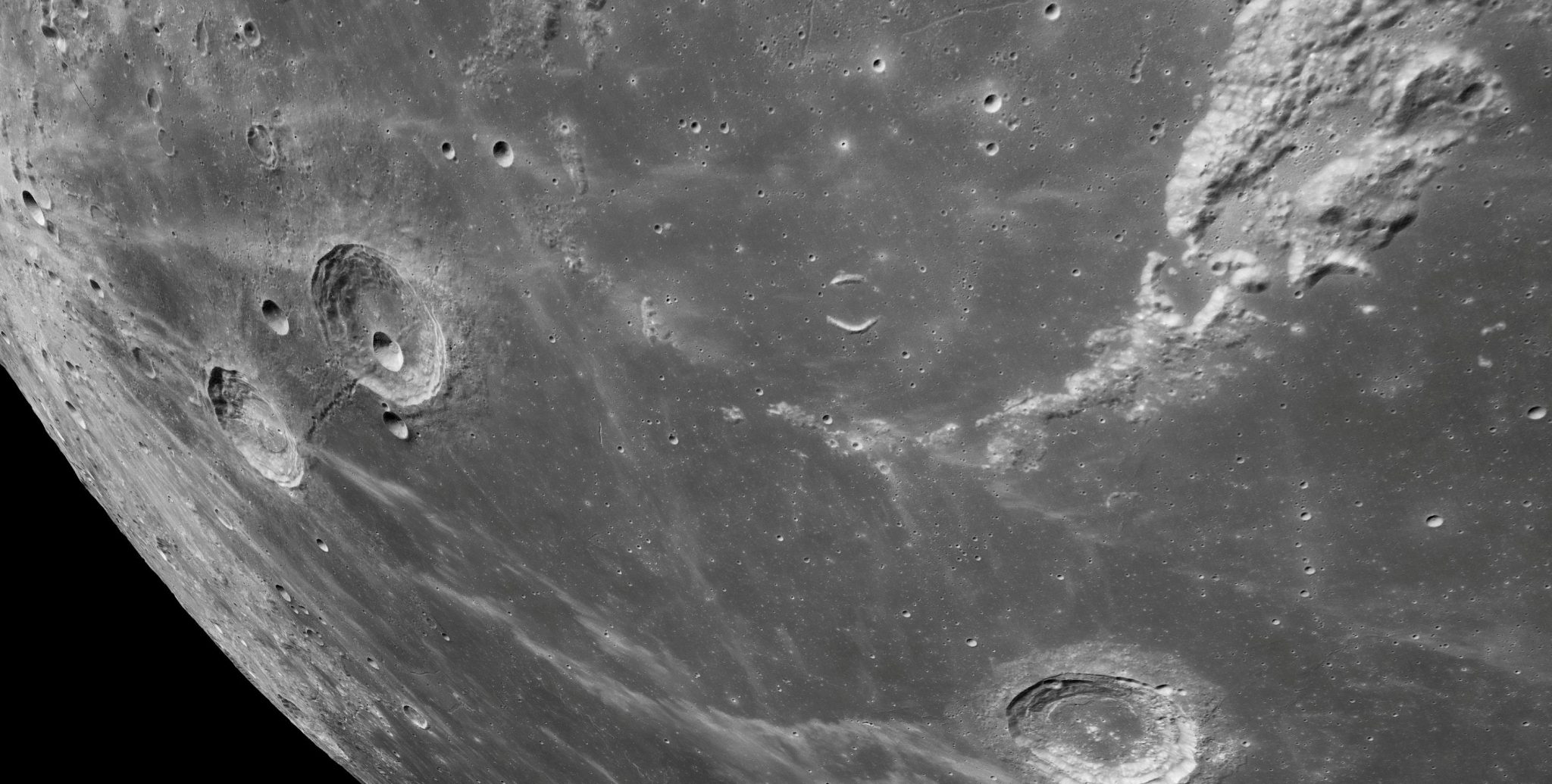
The data from the LRO has been converted to the 3D Tiles format, which is an open standard developed by the Open Geospatial Consortium. This made it possible to convert millions of laser scanning and photogrammetry points into a structured landscape grid. These “digital tiles” offer incredible flexibility: they allow researchers to create both large-scale panoramas of entire lunar seas and detailed simulations of individual craters for scientific analysis.
Technical perfection and the future of simulations
Rendering such a vast landscape required significant computing resources and some ingenuity. Blakeney employed deferred rendering, setting extremely low screen space error thresholds (as low as 0.1). This made it possible to capture every fine detail, even when the camera was moving quickly.
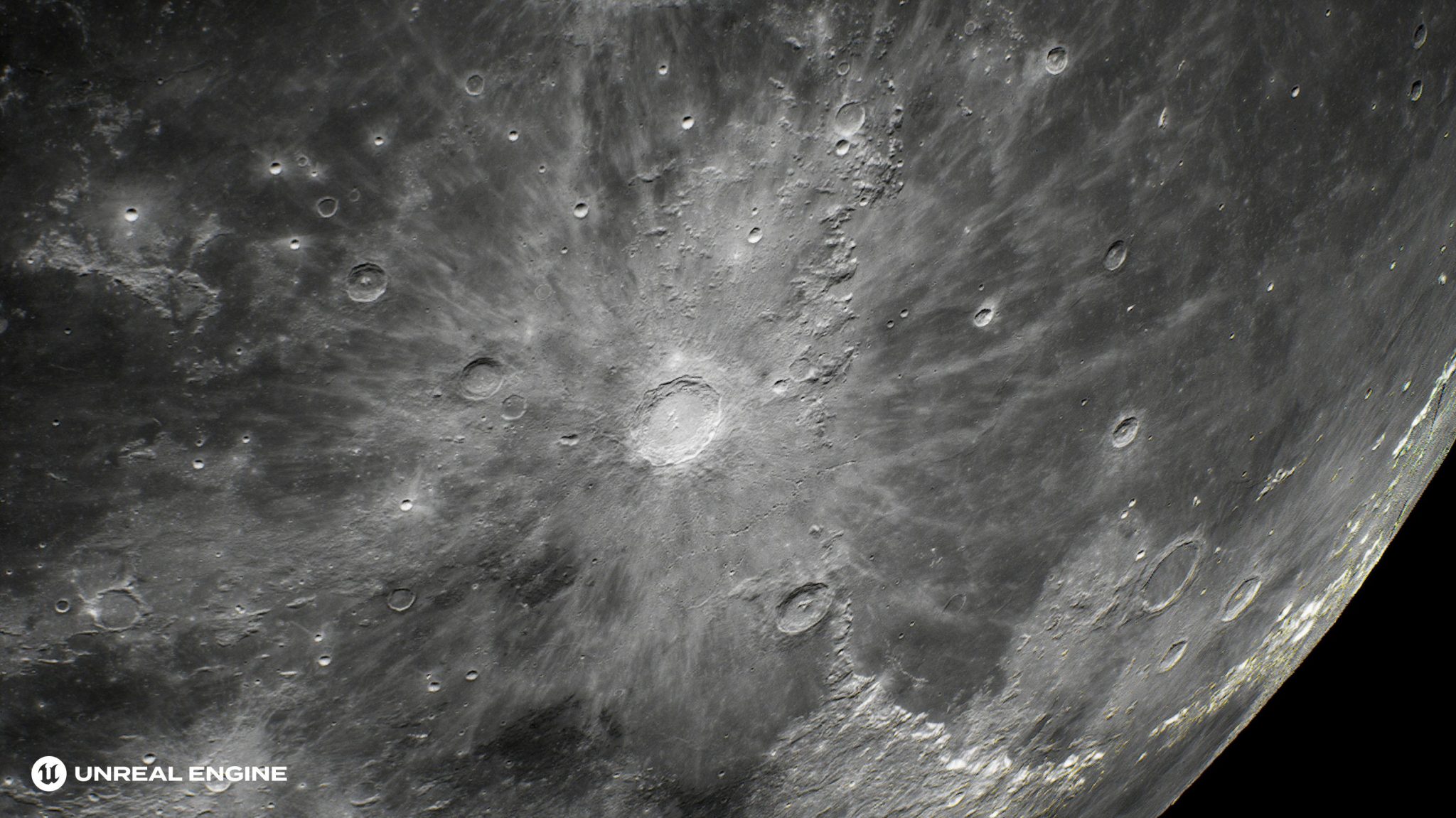
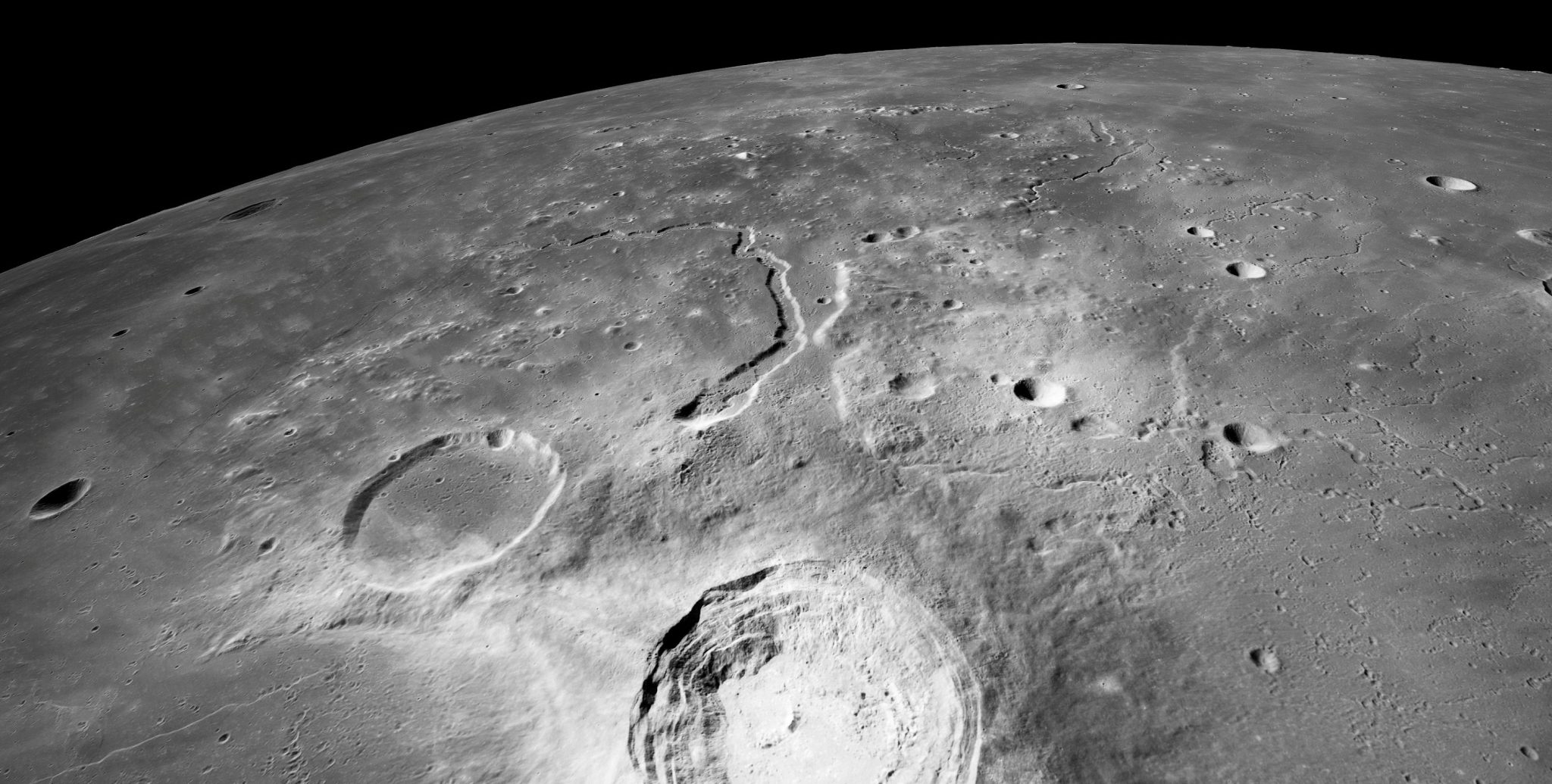
To ensure stable performance, the cache size limits have been increased and the Loading Descendant Limit has been optimized. This means that the system loads the highest-quality textures precisely where the viewer’s gaze is focused. The author has published his work on the ArtStation platform, where it has already become a resource for thousands of digital artists and engineers.
The Blakey Project is more than just a pretty picture. Creating such high-precision digital twins is critical for future missions. They enable:
- Train astronauts in virtual reality using exact replicas of future landing sites.
- Simulate lighting conditions to plan solar panel operations.
- Test the movement of lunar rovers on challenging terrain without risking actual equipment.
The Artemis II mission opens the door to the Moon for humanity, and Unreal Engine 5 technology makes this journey vivid and accessible to everyone right now.
We previously reported on how a 1.3-gigapixel photograph of the Moon was created.
According to creativebloq.com

