

On January 6 and 17, China carried out two orbital launches. Both missions ended in rocket failures and loss of payload.
The first failure since 2020
The first launch took place on January 16 from the Xichang Space Center. It involved the Long March 3B rocket. The launch took place according to schedule. However, the rocket failed to reach orbit. Later, the China Aerospace Science and Technology Corporation (CASC) confirmed the failure. It is reported that it occurred during the third stage of the launch.
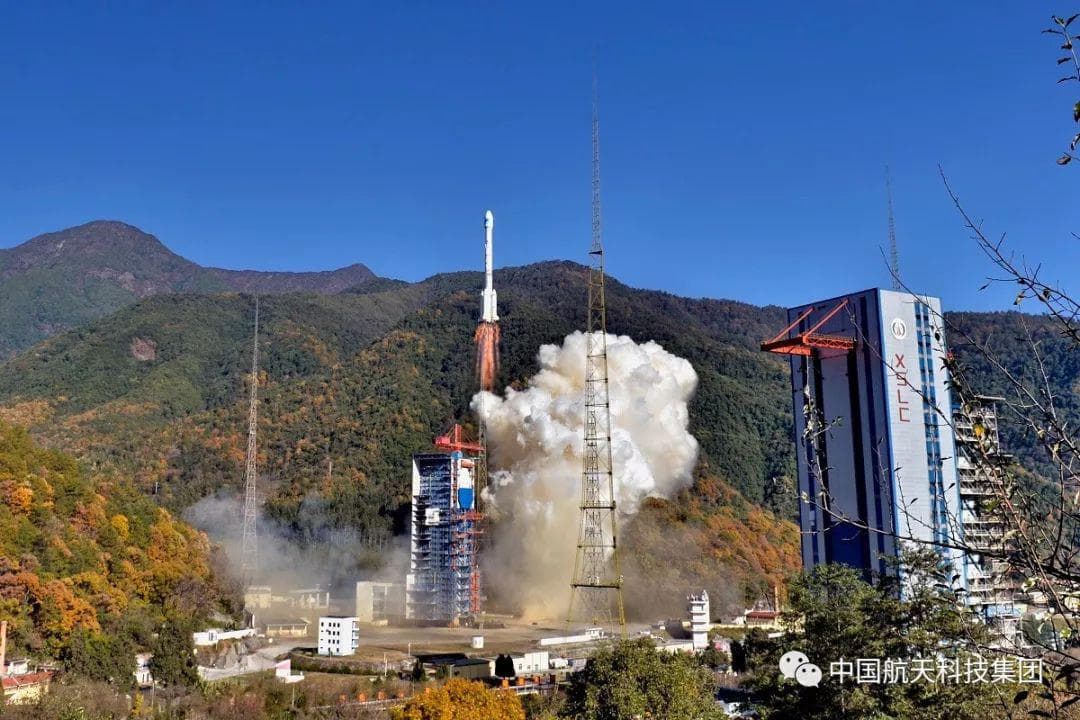
Long March 3B is a heavy-lift launch vehicle mainly used to launch communications satellites, meteorological satellites, and navigation satellites into geostationary orbits. It has a three-stage design with solid-fuel boosters.
This accident was the first complete failure of the Long March 3B launch since 2020. It resulted in the loss of the Shijian-32 satellite. CASC did not provide any information about the purpose of the spacecraft. Previous satellites in the series were used to conduct experiments and test new technologies. For example, last year, the Shijian-21 and Shijian-25 satellites were involved in an orbital refueling experiment.
Accident with a new rocket
Less than 12 hours after the loss of Long March 3B, the Chinese space industry suffered another blow. After several months of preparation and repeated postponements, Galactic Energy finally launched its new, more powerful solid-fuel rocket, Ceres-2. It also ended in failure.
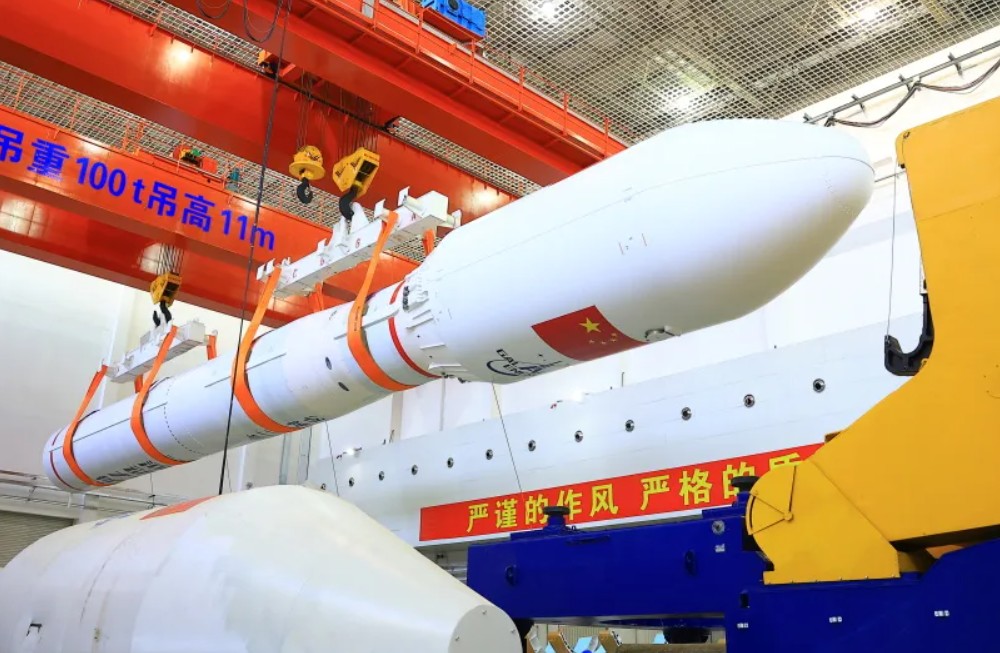
Ceres-2 was launched on January 17 from the Jiuquan Space Center. Shortly thereafter, the company reported an anomaly that led to the premature termination of the mission. Several devices were on board the rocket, including the experimental ultra-flat disc satellite Lilac-3.
Ceres-2 can deliver 1,600 kg of cargo to low Earth orbit, which is significantly more than the 400 kg that the less powerful Ceres-1 can deliver. Its loss will be a serious blow to Galactic Energy, which plans to significantly expand its activities. The company is also preparing for the maiden flight of its first liquid-fuel launch vehicle, Pallas-1 (capable of carrying up to 8 tons of cargo), and has already submitted initial documents for an IPO (initial public offering).
Earlier, we reported on the unsuccessful launch of India’s PSLV rocket, which was the first space accident of 2026.
According to Spacenews

