

Researchers have proposed a model of how key elements needed for life originated on early Earth. Their study suggests that the formation of Jupiter may have significantly influenced the distribution of phosphorus and nitrogen in the early Solar System, ensuring that Earth had the right balance of these elements.
A window into the past through meteorites
Scientists have studied the phosphorus-to-nitrogen ratio in iron meteorites and chondrites. These two types of meteorites originate from different generations of planetesimals. Iron meteorites are remnants of the earliest generation of these small bodies, while chondrites formed two to three million years later.
Using laboratory experiments and geochemical models, the team reconstructed a map of phosphorus-to-nitrogen ratios in the early Solar System. The modeling revealed an interesting pattern. For the first generation of planetesimals, the ratio was higher in the outer part of the system and decreased closer to the Sun. For the second generation, this pattern was reversed.
Jupiter’s role
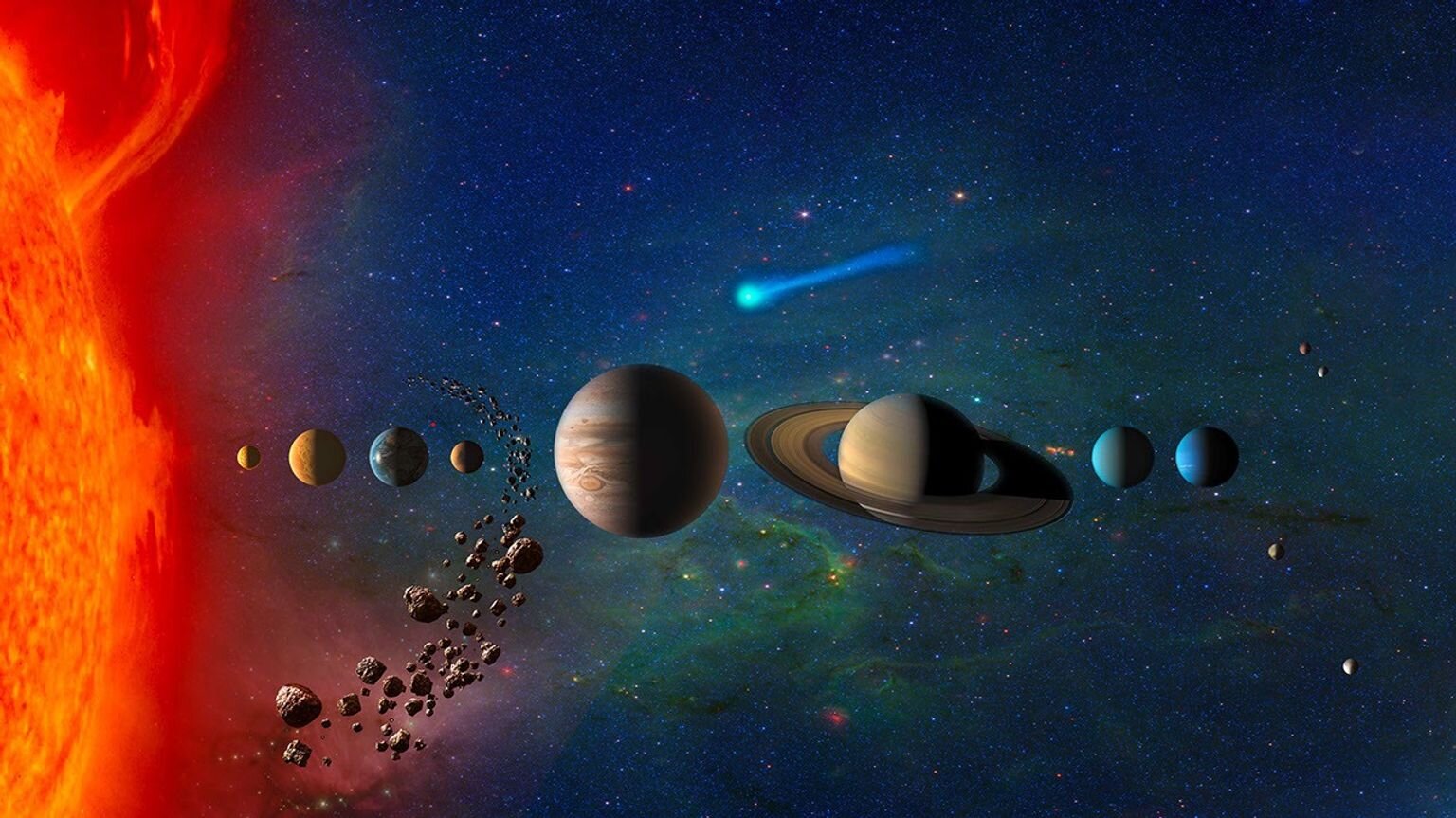
The turning point came when Jupiter entered the scene. The gas giant grew larger and gained more and more mass, and with it, greater gravitational influence. According to the researchers’ findings, precisely this stopped the free movement of phosphorus and nitrogen from the inner part of the system to the outer part.
As a result, the second generation of planetesimals formed under entirely different conditions. Those located closer to the Sun had a significantly higher phosphorus-to-nitrogen ratio than their counterparts beyond Jupiter’s orbit. This difference proved to be critical for the future Earth.
What does this mean for the search for life?
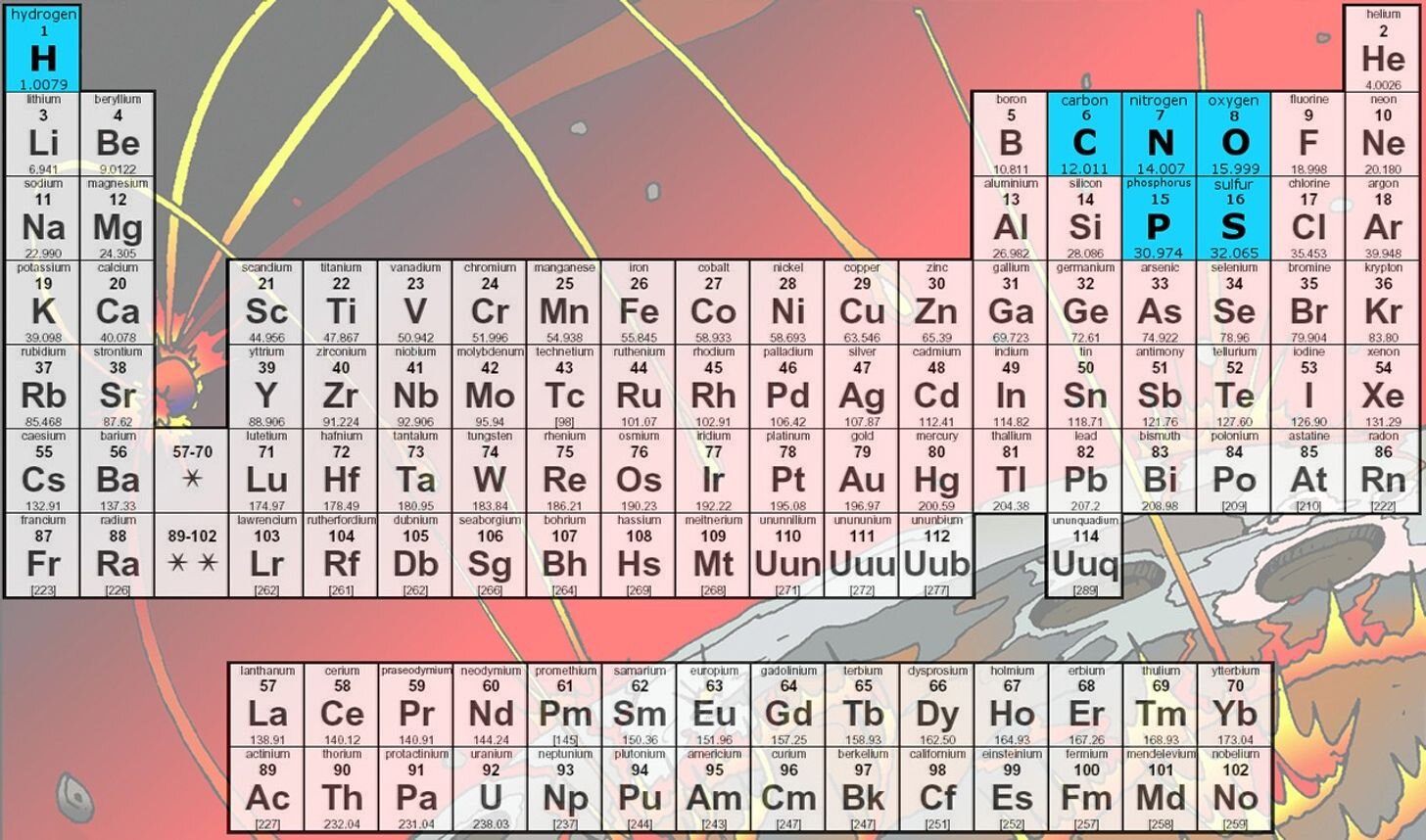
Further accretion modeling revealed an important detail. The current phosphorus-to-nitrogen ratio on our planet is best explained if Earth obtained these elements specifically from the inner Solar System. No significant contribution from outer chondrites was required for this.
Lead author Debjeet Pathak emphasized that Earth acquired its vital reserves of phosphorus and nitrogen primarily from the inner regions of the Solar System. Senior author Rajdeep Dasgupta added that Jupiter‘s presence and growth history played a decisive role in the distribution of the basic chemical ingredients necessary for habitable worlds. Whether a similar set of elements could form in systems without giant planets remains an open question.
According to phys.org

