

Last month, SpaceX’s Starship spacecraft completed its tenth suborbital flight, breaking a series of previous failures. This launch was the fourth this year and was crucial for restoring confidence in the project. The rocket launched from the Starbase spaceport in Texas and demonstrated nearly flawless performance: smooth stage separation, simulated deployment of Starlink satellite mockups, and a controlled splashdown in the Indian Ocean. After the successful test, Elon Musk expressed confidence that Starship will begin delivering payloads into space as early as 2026.
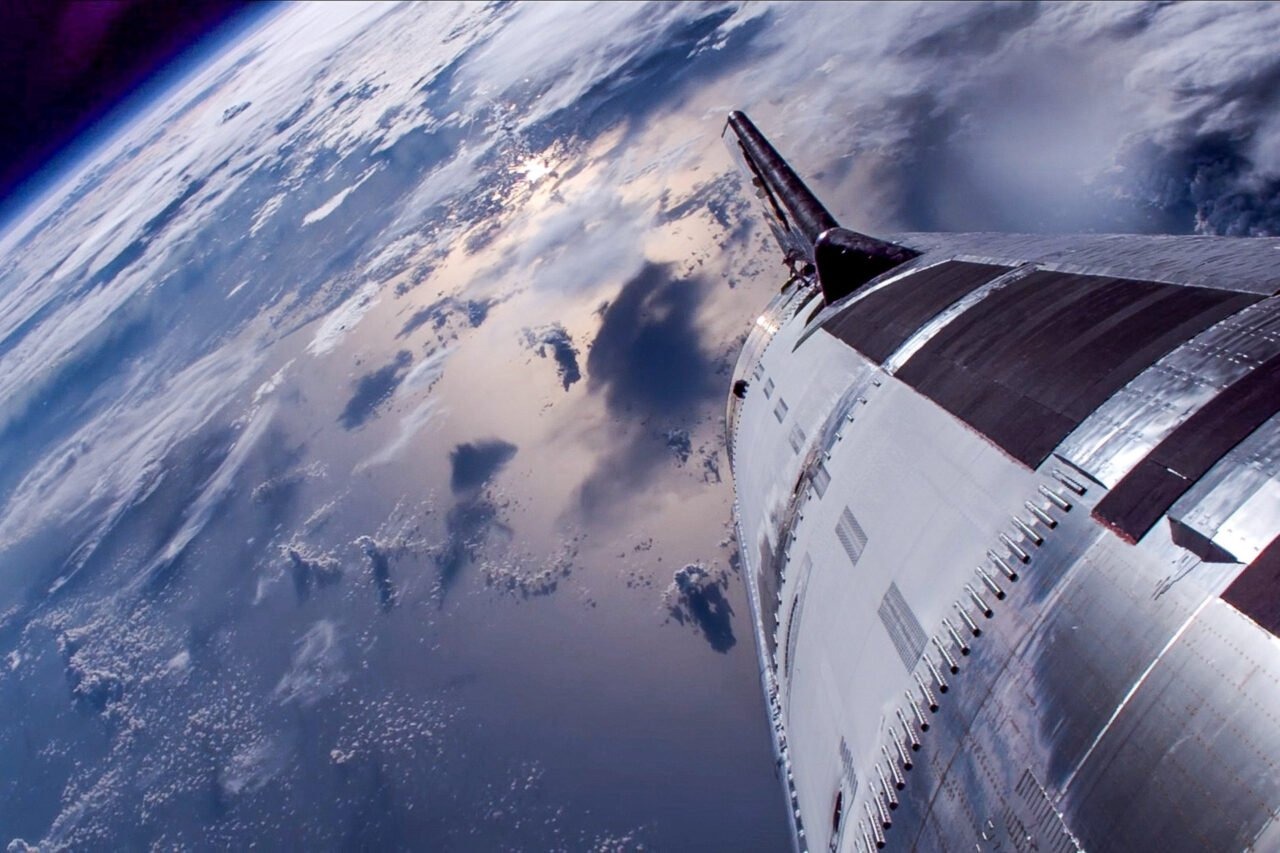
During an appearance on the All-In Podcast, he stated that the updated rocket, known as Version 3, should reach Earth orbit by next year. Musk emphasized that the new design involves radical changes: increased size, greater fuel capacity, and more powerful third-generation Raptor engines.
“If there are no major obstacles, SpaceX will demonstrate full reusability next year – the Super Heavy launch vehicle and Starship spacecraft – and will be able to deliver more than 100 tons of cargo into space,” he said.
Technical challenges
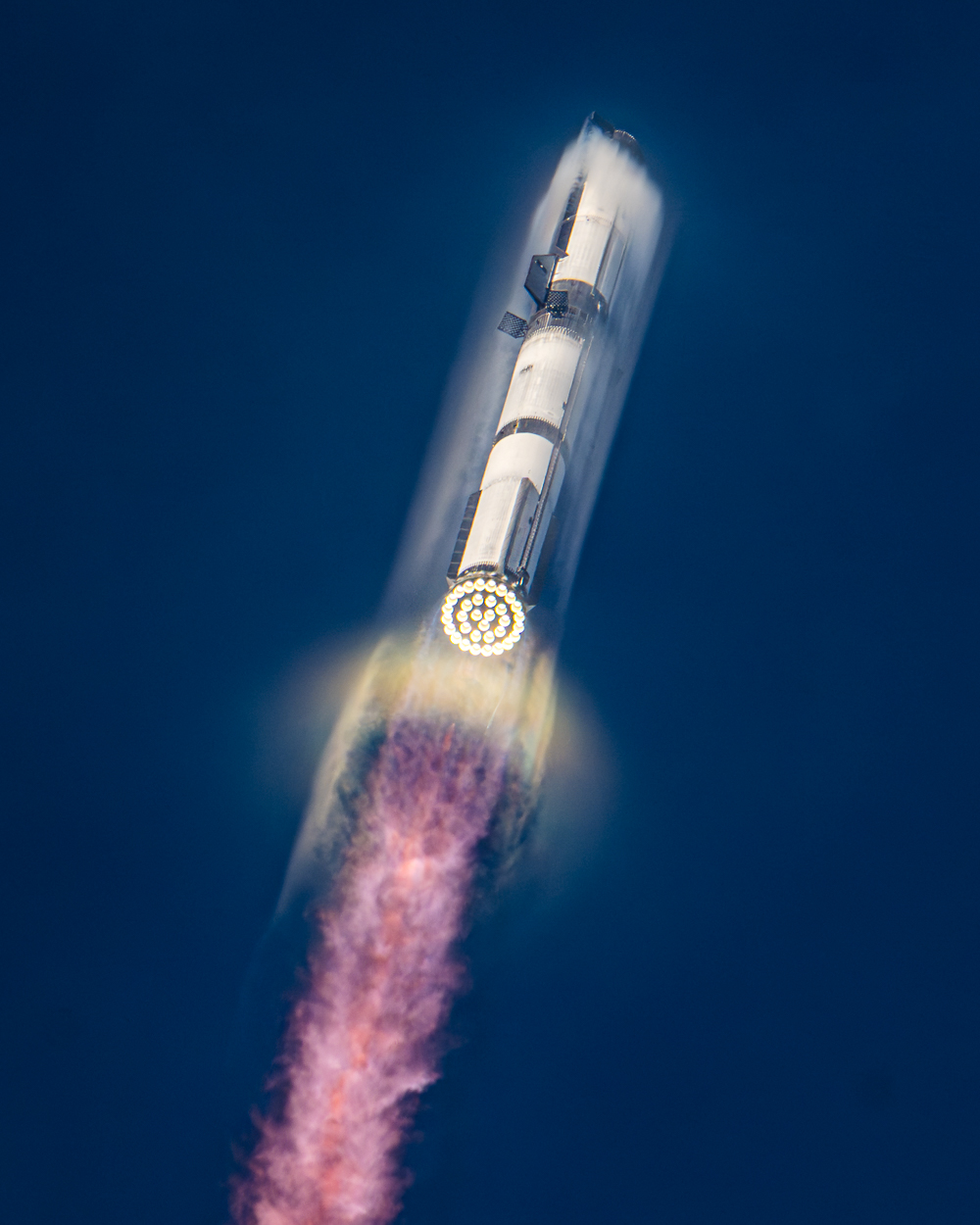
The last flight also included a stress test of the heat shield. SpaceX deliberately damaged it to test how the rocket would withstand the extreme conditions of re-entry into the atmosphere. Footage showed intense, bright orange damage, indicating severe thermal stress. Musk acknowledged that to achieve full reusability, much work still needs to be done on high-temperature protection to ensure structural integrity and avoid cracks.
New horizons
In addition to improving the heat shield, SpaceX plans to test the upper stage recovery mechanism using the Mechazilla crane. Musk suggested that attempts to catch the stage could begin as early as flights 13-15, depending on the success of the first Version 3 launches. However, he also noted that the updated Starship may face initial difficulties due to major design changes.
Elon Musk is known for his ambitious but often misguided predictions. Although SpaceX is eager to launch commercial missions as soon as possible, there remains uncertainty as to whether the company will be able to overcome all technical challenges by 2026. However, the success of the latest launch gives reason for cautious optimism about the future of this revolutionary rocket.
We previously reported on when Starship will carry astronauts to the Moon.
Provided by Gizmodo

