

The Artemis II mission was not only a remarkable scientific achievement for NASA, but also a true breakthrough in space photography. For the first time since the 1970s, humans have returned to lunar orbit, setting a new record for the farthest distance traveled from Earth. To share this experience with the world, the space agency has released a massive archive of 12,000 images, allowing everyone to see the flight through the astronauts’ eyes.
What was used to take photos from the Orion capsule?
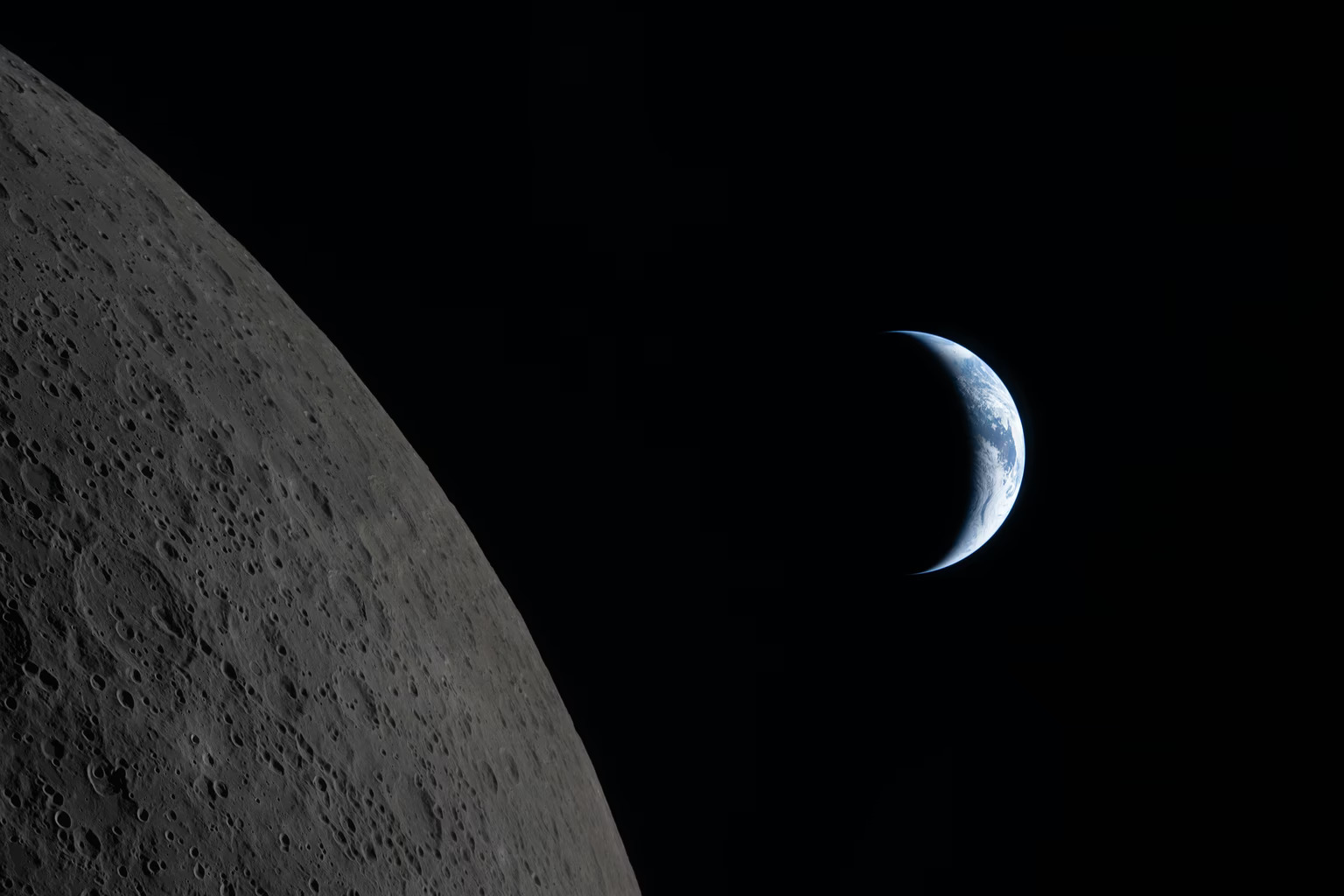
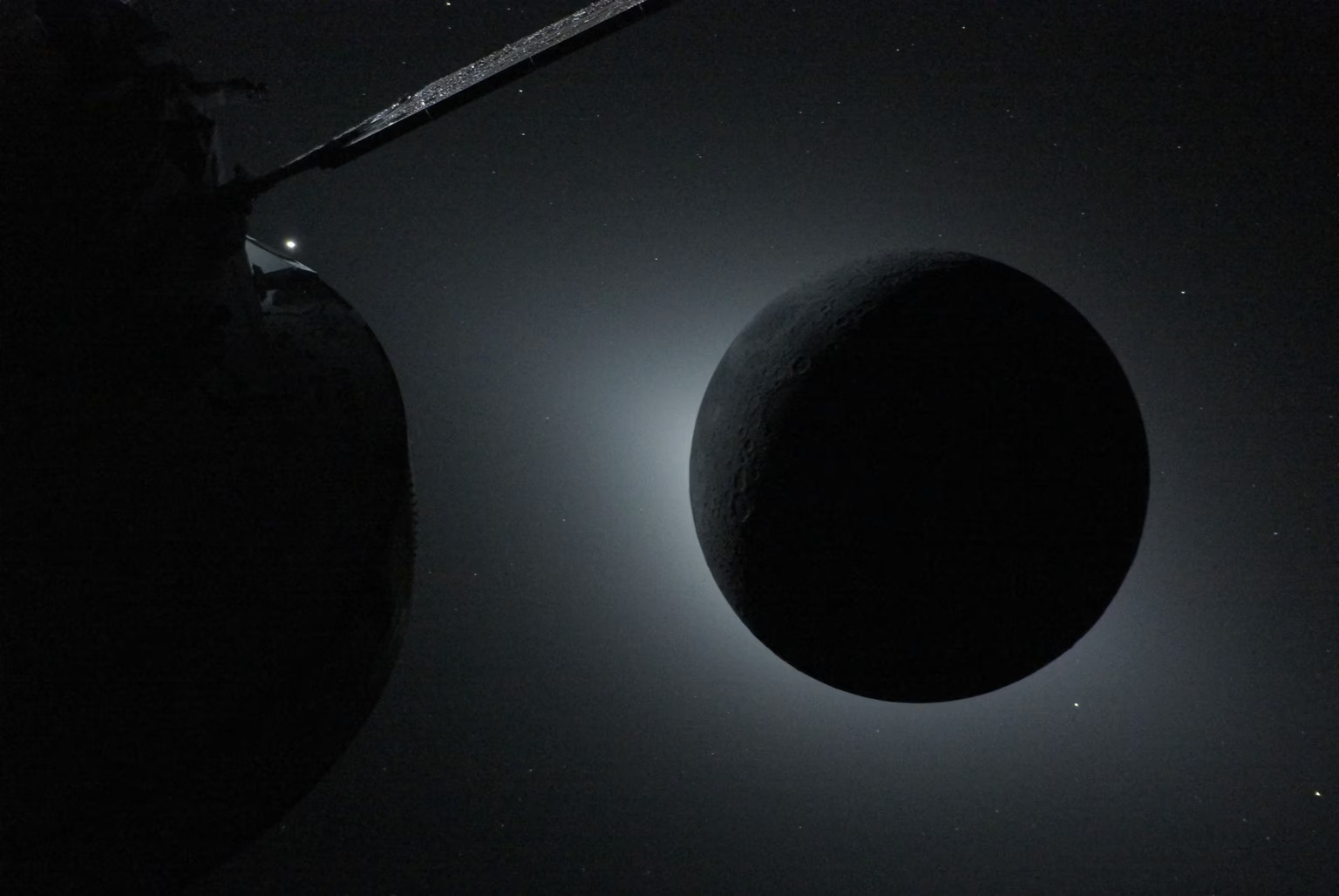
The crew brought along professional Nikon D5 and Nikon Z9 cameras, as well as an iPhone 17, on their trip. Thanks to this technology, the world has been treated to some stunning images that have already become iconic: a solar eclipse viewed from space, highly detailed craters on the Moon, and the melancholic “sunset on Earth.”
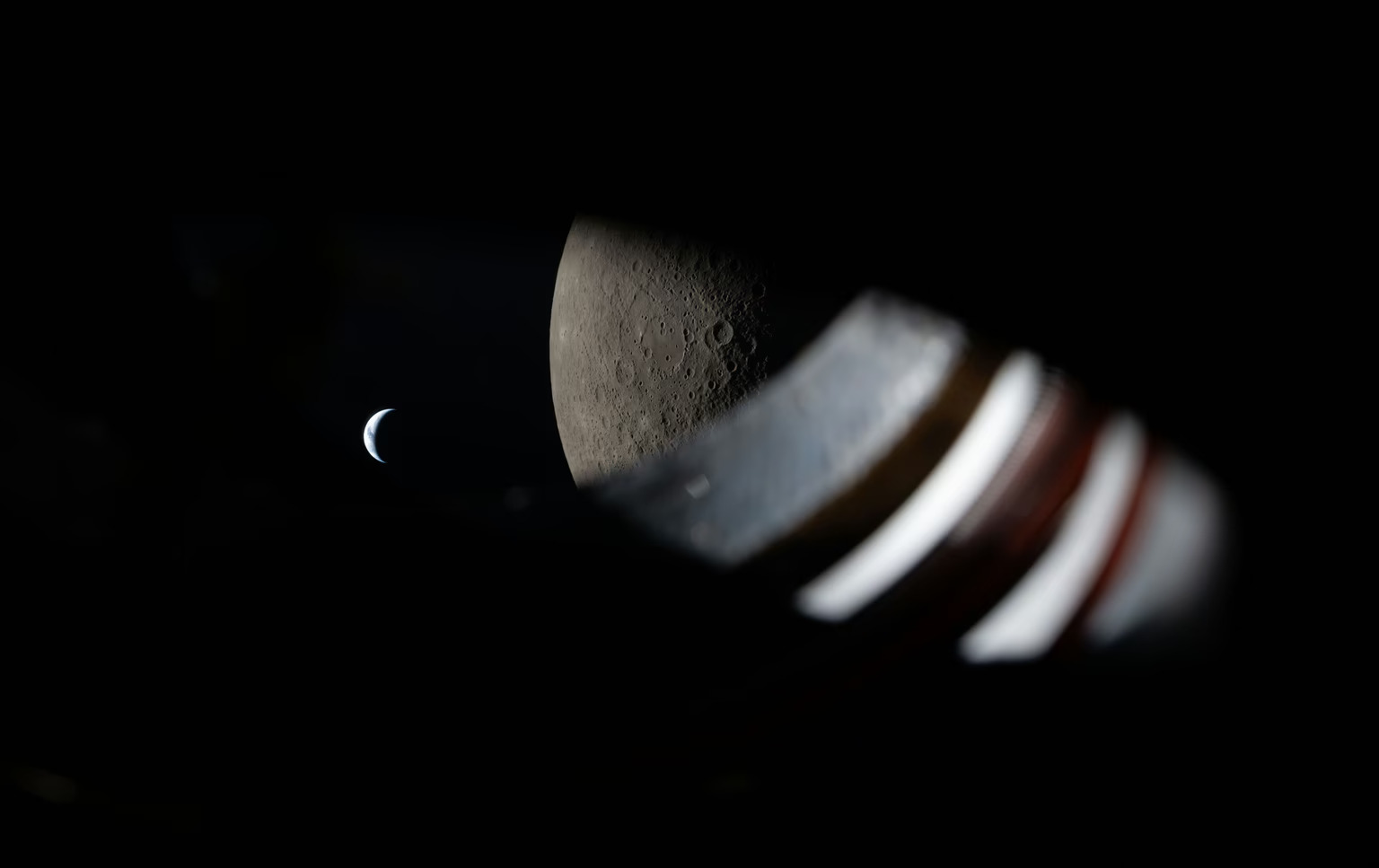
As observers note, such a large dataset naturally contains duplicates, overexposed, or blurry images. However, hidden among thousands of technical files are true visual treasures that can inspire anyone.
The crew’s shared legacy
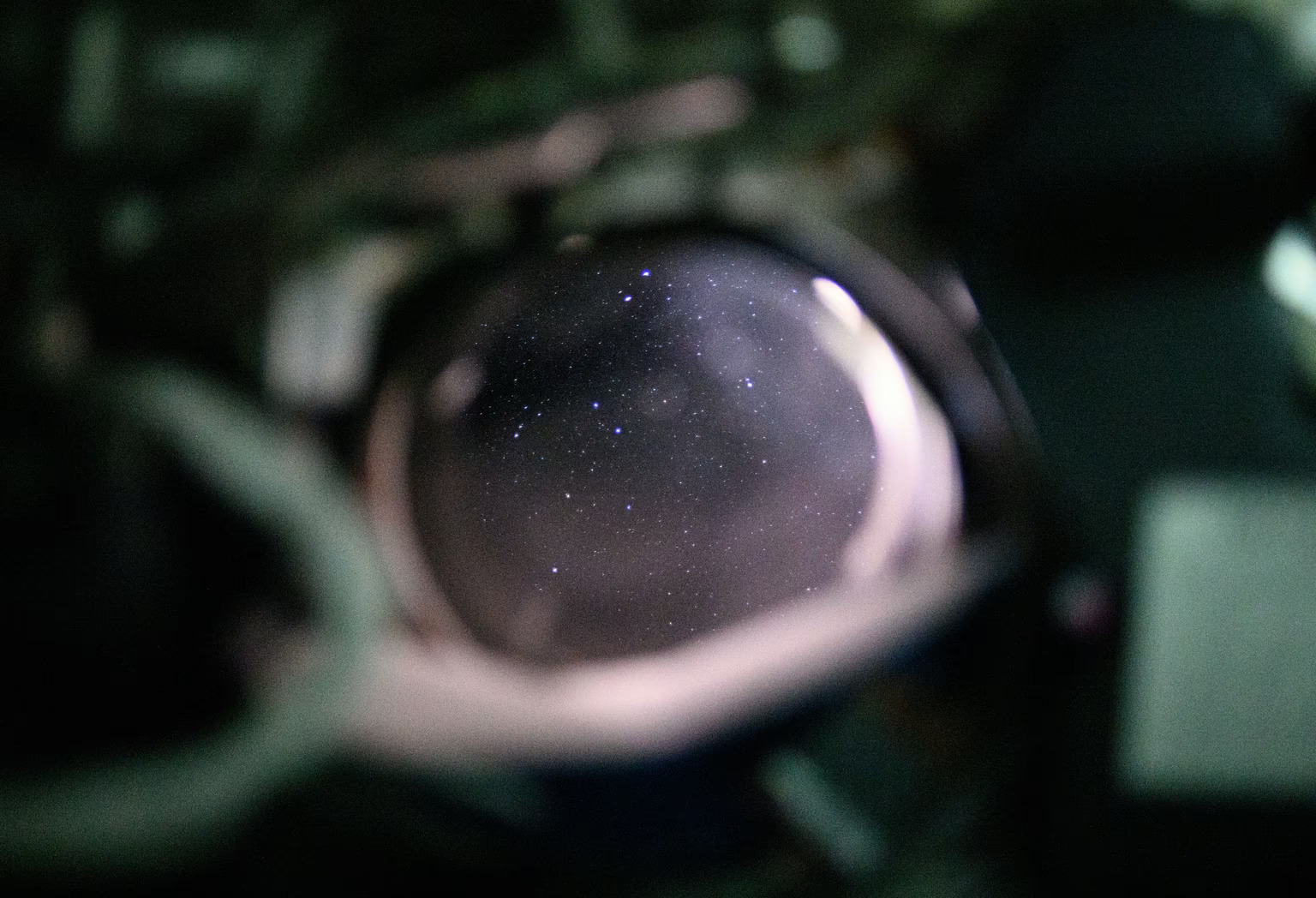
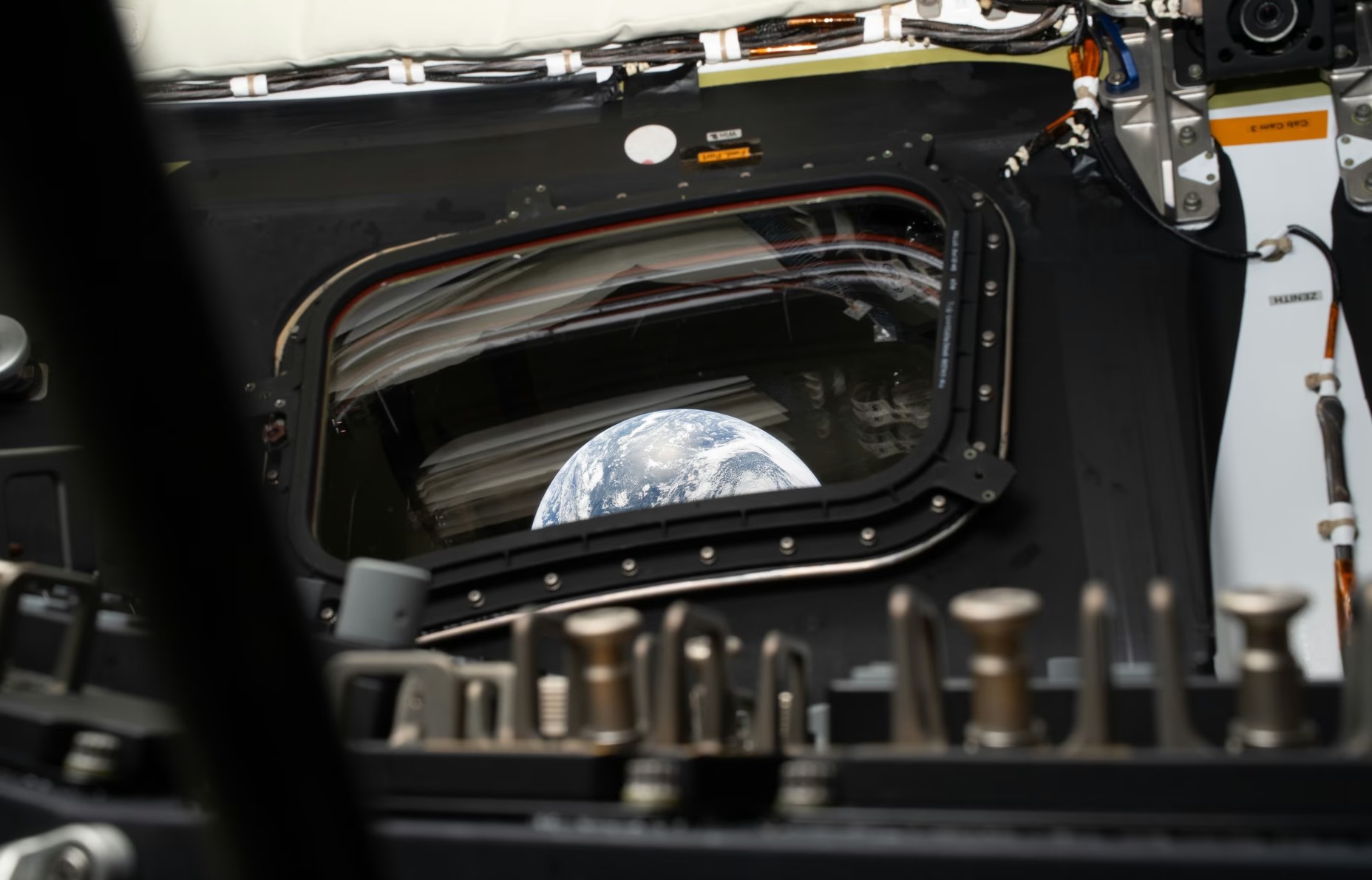
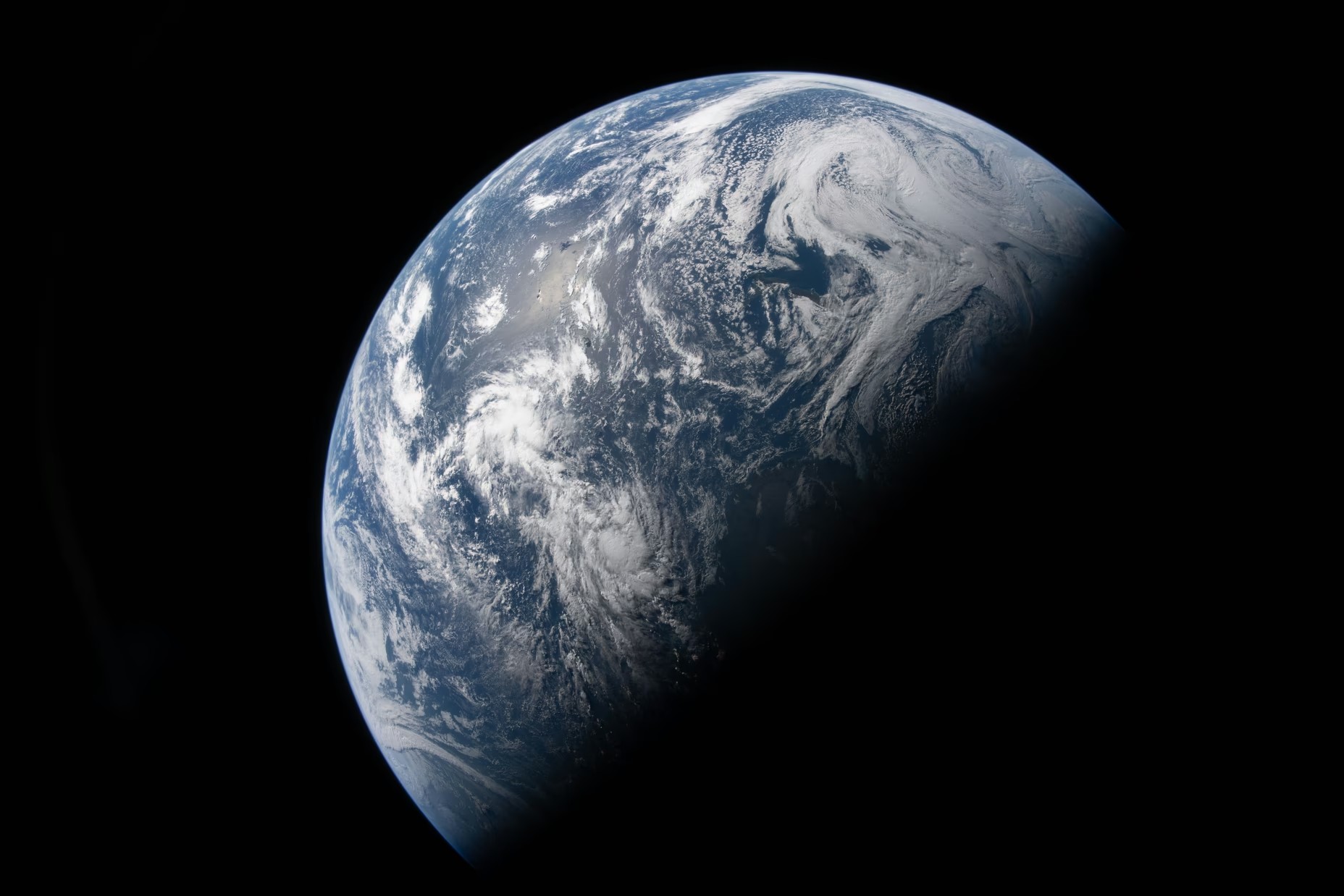
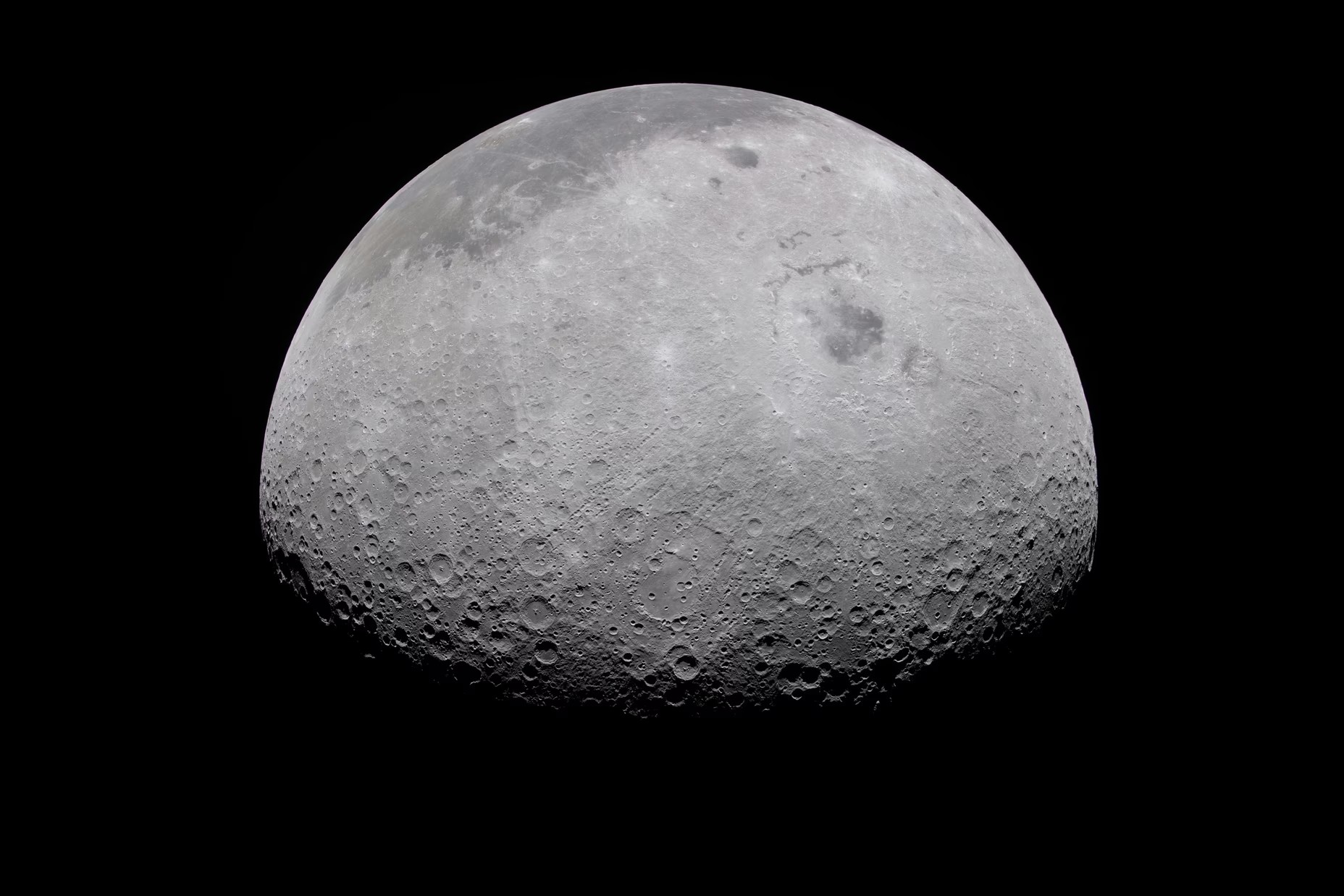
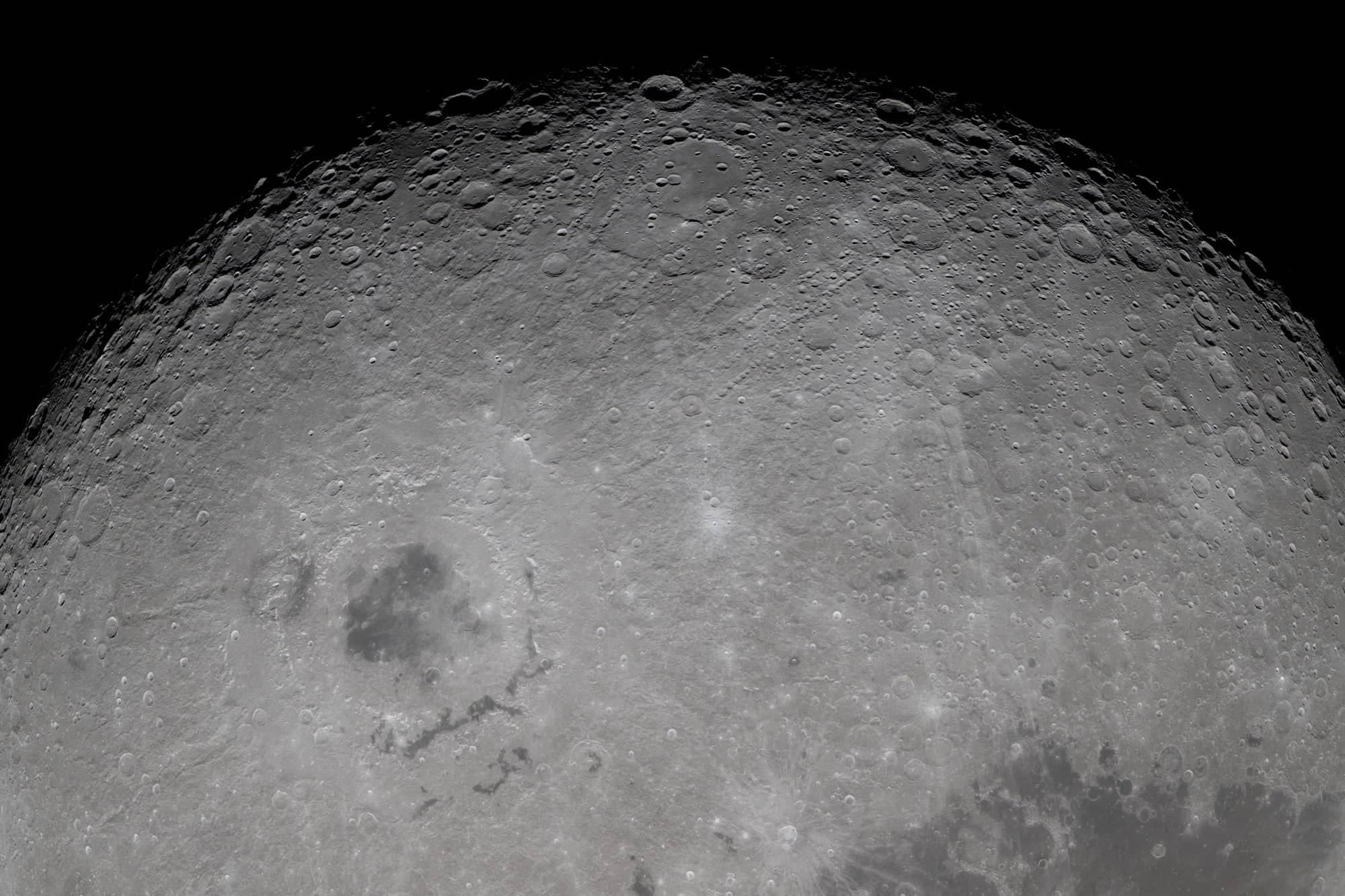
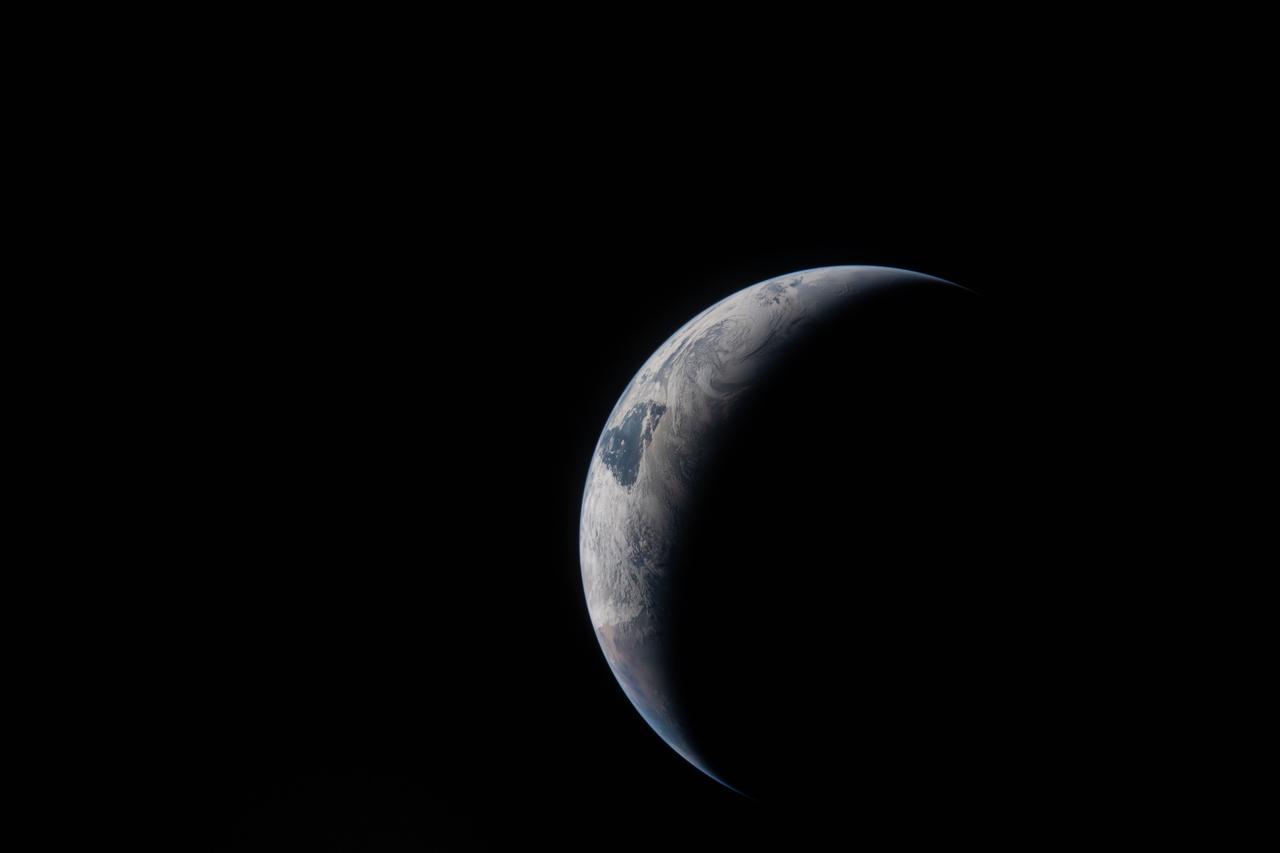
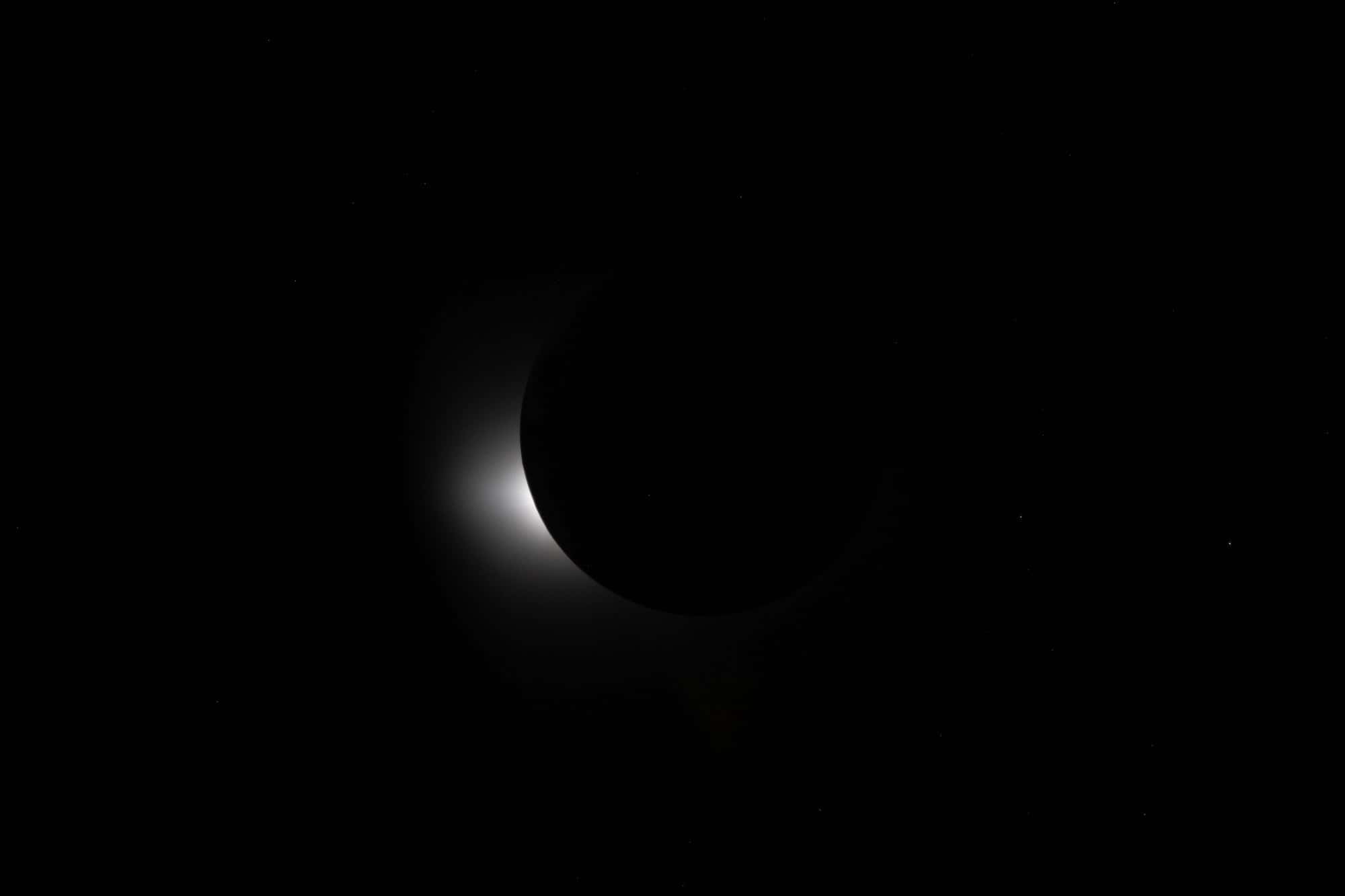
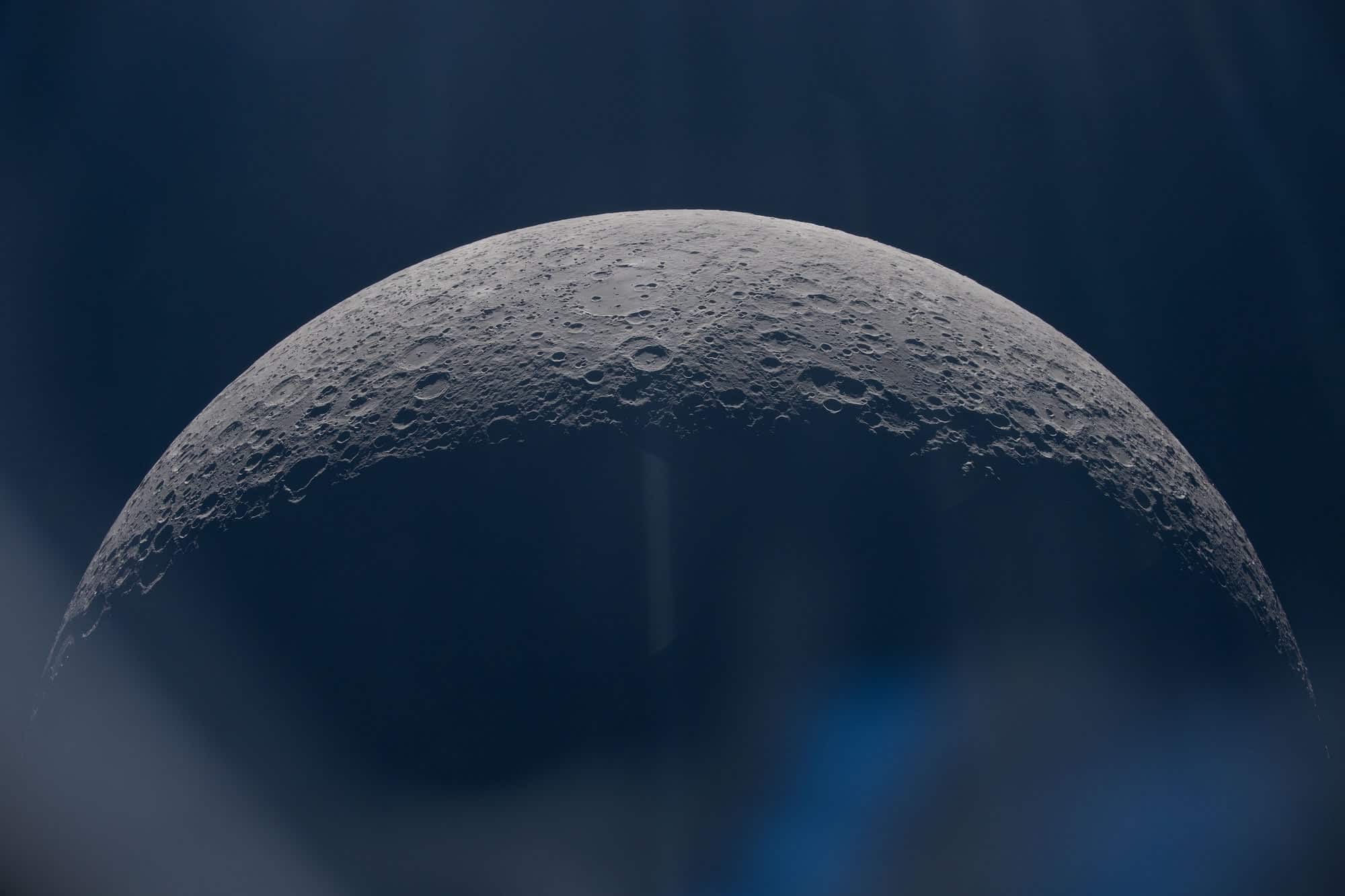
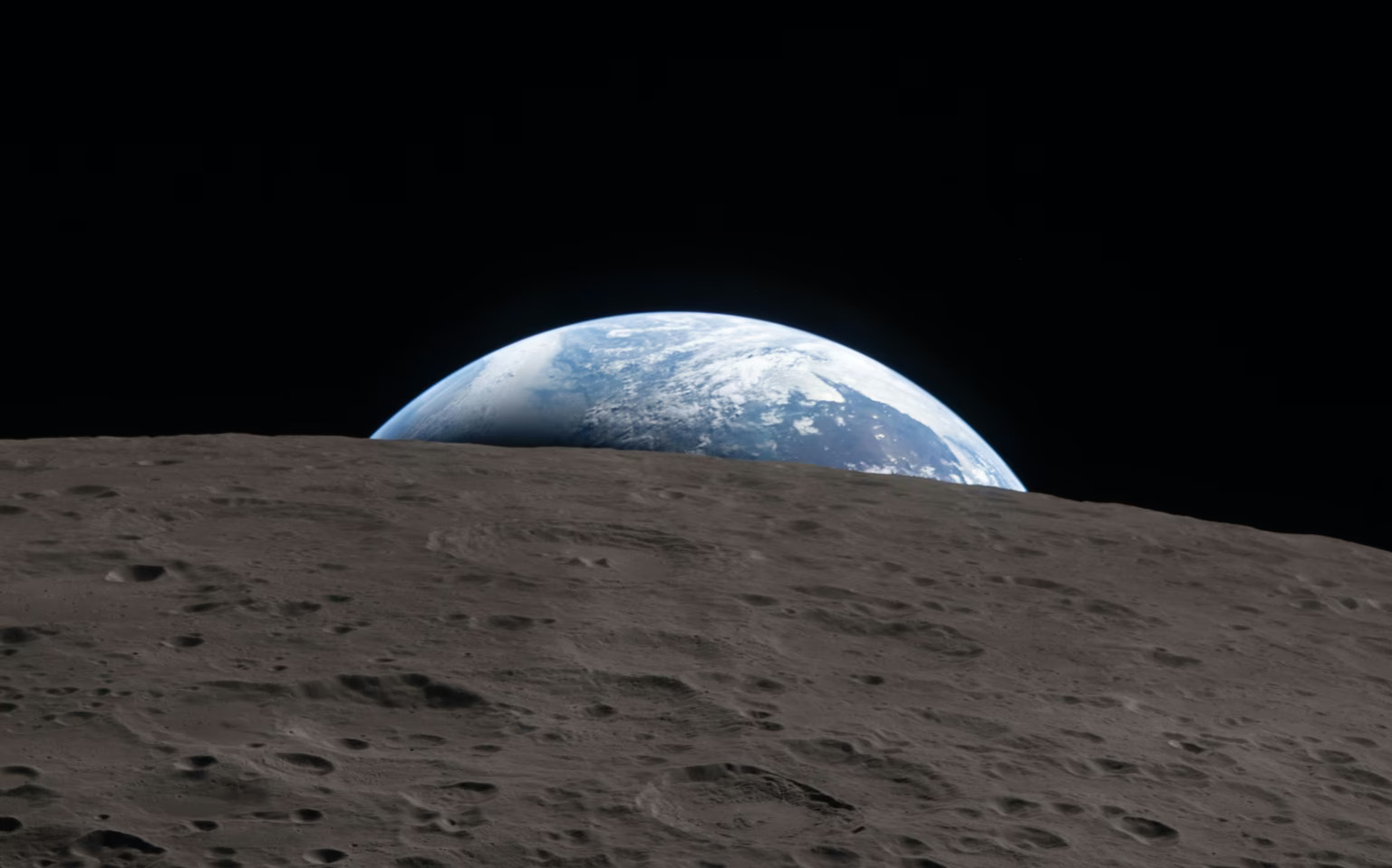

An interesting detail: the Artemis II team deliberately chose not to attribute the photos to individual photographers. All photographs taken by Commander Reid Wiseman, pilot Victor Glover, and specialists Christina Koch and Jeremy Hansen are published without attribution to a specific photographer. This makes the archive a collective creative achievement of the entire crew.
Where to reach out to space
Although NASA’s internal data release system sometimes seems a bit chaotic, the mission’s complete photo gallery is already available to the public. Enthusiasts can explore the archive on the Gateway to Astronaut Photography of Earth portal. What is particularly valuable for professionals is that most of the images retain their metadata. This allows curious researchers to determine exactly which combination of camera, lens, and settings was used to create these otherworldly masterpieces.
Earlier, we shared how the Artemis II astronauts watched the Earth set.
According to petapixel.com

