

Last month, a unique event occurred in the history of space exploration: a mission to the International Space Station (ISS) was terminated early due to a medical emergency. For a long time, the astronaut’s name and details of the event remained classified. Now NASA veteran Mike Fincke has officially confirmed that he was the crew member whose health condition forced the rest of the team to urgently prepare the capsule for the return home.
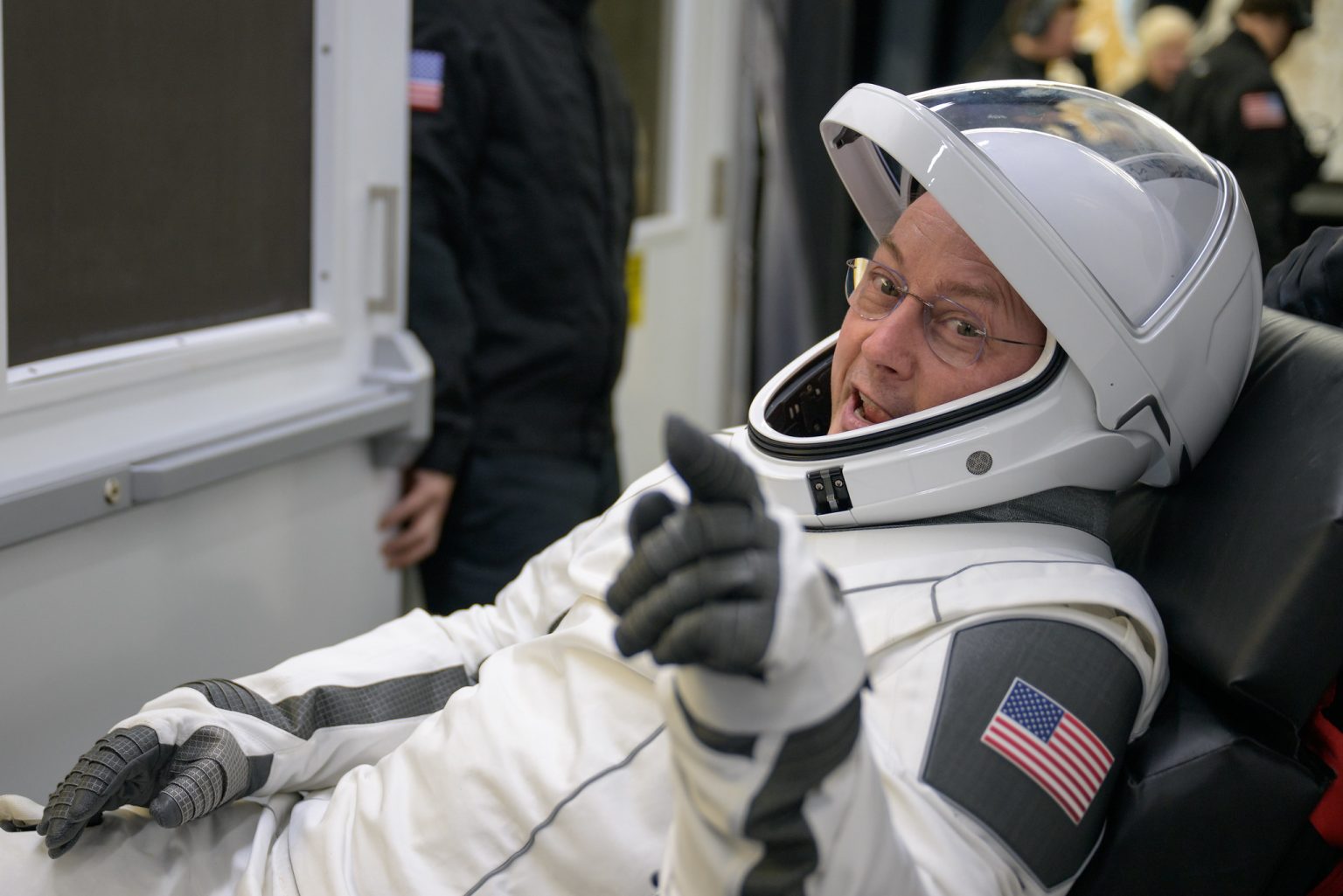
The incident occurred with the Crew-11 mission team, which, in addition to Fincke, included NASA astronaut Zena Cardman, Japanese astronaut Kimiya Yui (JAXA), and cosmonaut Oleg Platonov from Roscosmos. In mid-January, when only three crew members remained at the station, Fincke suddenly felt seriously ill. The situation was so critical that NASA decided to interrupt the mission for medical reasons for the first time in its history.
NASA is sharing the following information at the request of NASA astronaut Mike Fincke: pic.twitter.com/J3UsExd94H
— NASA (@NASA) February 25, 2026
“I experienced a medical event that required immediate attention from my incredible crewmates. Thanks to their quick response and the guidance of our NASA flight surgeons, my status quickly stabilized,” Fincke said in his first public statement.
Why couldn’t they stay in orbit?

Although the ISS is a well-equipped laboratory, it does not have the full range of diagnostic equipment found in modern hospitals. According to the astronaut, the agency’s management decided that for an accurate diagnosis, he needed to return to Earth for an in-depth examination, as the necessary equipment is not available in orbit.
This decision triggered a chain of urgent actions: the planned spacewalk was canceled, and the launch of the next Crew-12 rotation had to be expedited to fill the empty seats on the station. The new crew arrived at the ISS on February 14, restoring full operation of the orbital outpost.
Medical confidentiality
NASA strictly follows the rules of confidentiality regarding the health of its employees. Traditionally, the agency publishes only generalized data on the effects of space on the body in scientific papers, without giving names. For this reason, the incident was kept confidential until Fincke himself decided to disclose the details.
Interestingly, during a joint press conference after returning to Earth, the entire crew avoided mentioning the name of the “patient.” “How we handled everything all the way through, from nominal operations to this unforeseen operation, really bodes well for future exploration,” Fincke noted at the time.
Current state of health
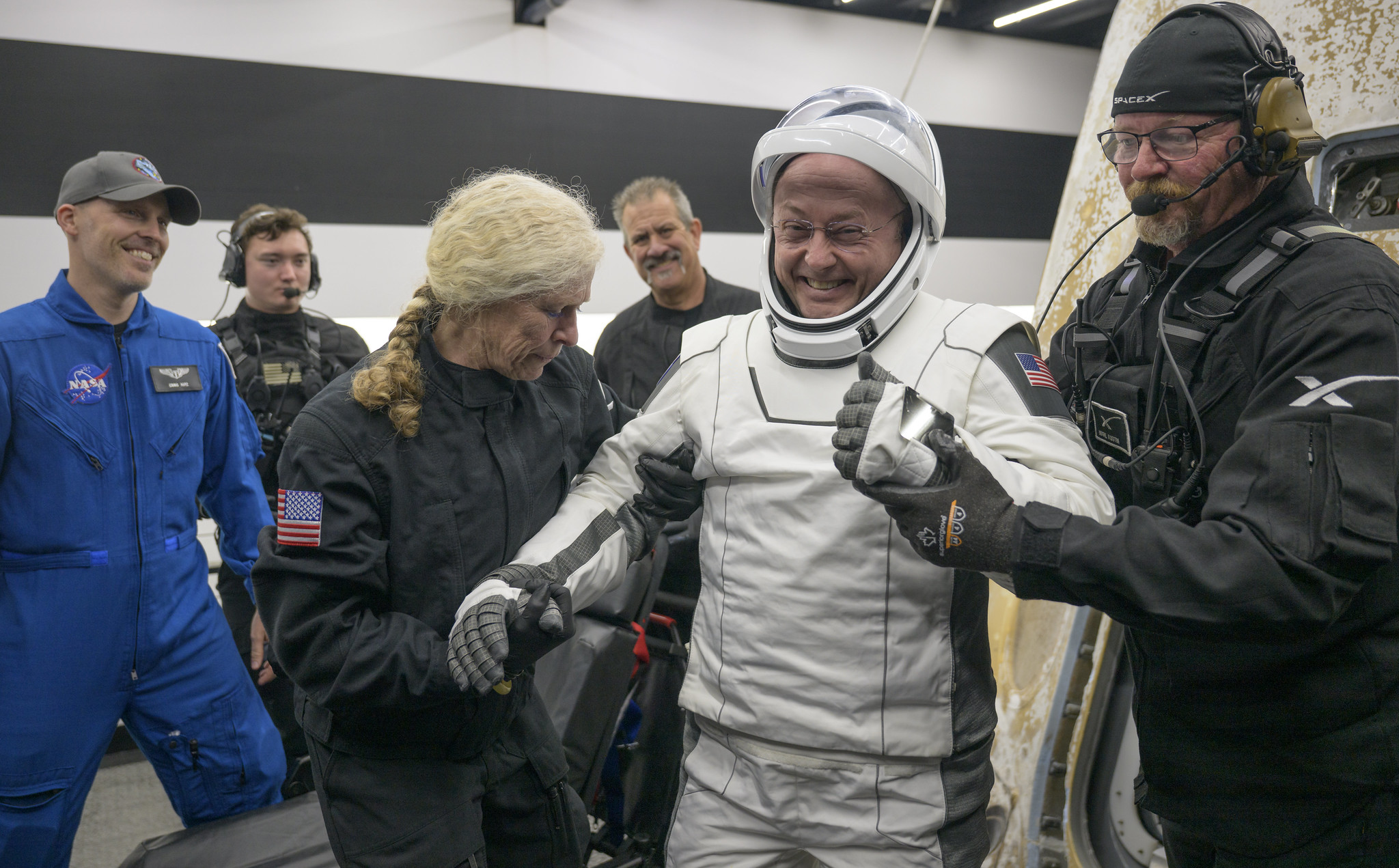
The 52-year-old astronaut is currently feeling well and undergoing standard post-flight rehabilitation at the Johnson Space Center in Houston. He avoids talking about the diagnosis, but notes that this case served as a reminder of the fragility of the human body, even for top-level professionals.
“Space flight is an incredible privilege that sometimes reminds us how human we are. Thank you all for your support,” he concluded.
Earlier, we reported on how astronaut Sunita Williams looked ill while waiting to be rescued from the ISS.
According to CNN

