

Organizing daily life in space for people who are not biologically adapted to microgravity is an extremely complex engineering challenge. That is precisely why, during the Artemis II mission, the Orion capsule’s toilet was the first piece of equipment to malfunction. Interestingly, the toilet broke down almost immediately after takeoff. Despite a wave of critical media reports regarding the quality of the waste disposal systems, flight captain Reid Wiseman spoke out strongly in defense of the equipment during a press conference, calling it an “excellent device” that had functioned properly.
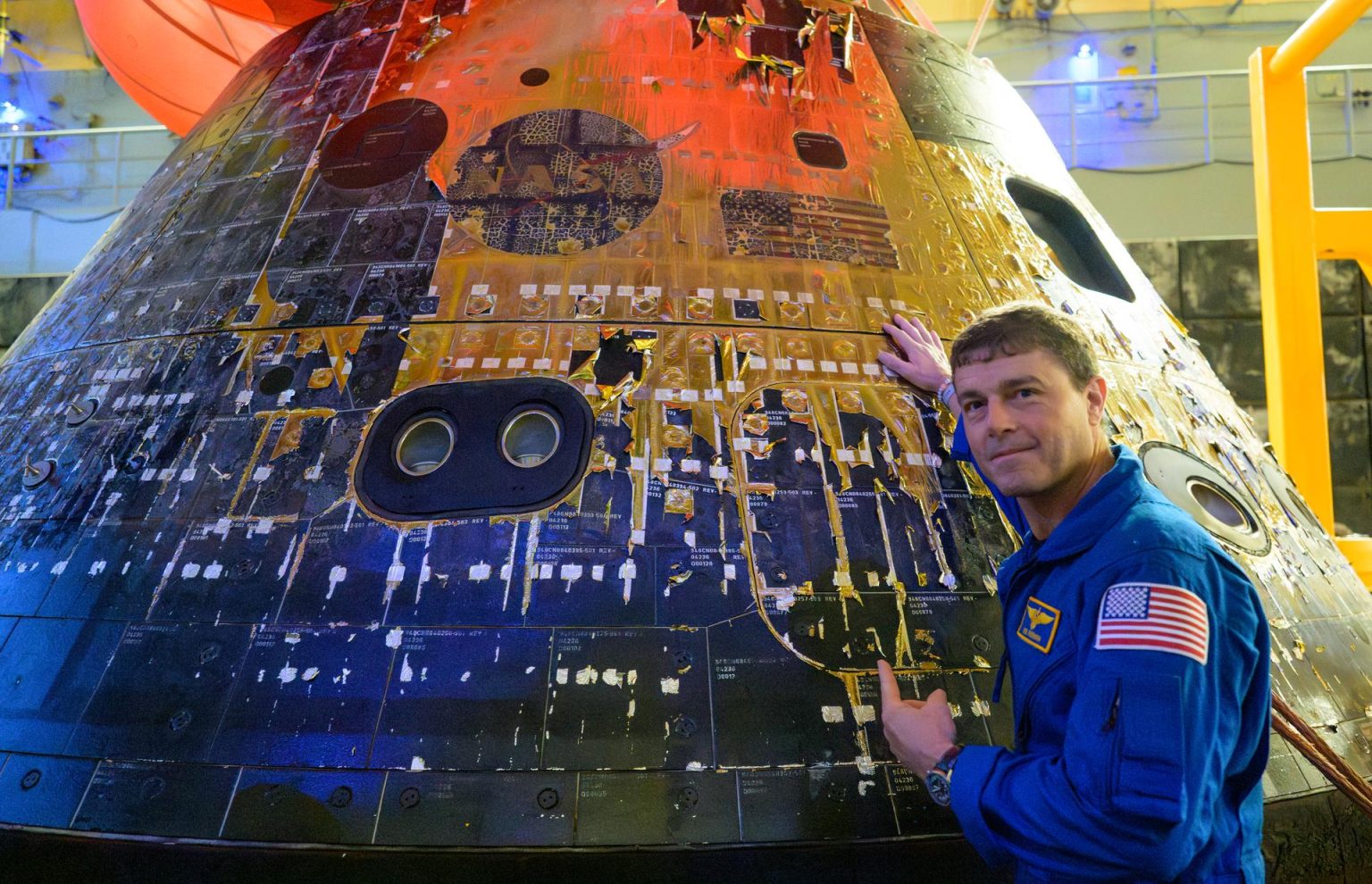
The Artemis II mission, which concluded successfully on April 11, marked the first crewed flight to the Moon since 1972. During the 10-day journey, the crew encountered difficulties with disposing of liquid waste. However, as Viseman pointed out, the fault lies not with the toilet itself (which is a more compact version of the system used on the ISS), but with the supporting infrastructure.
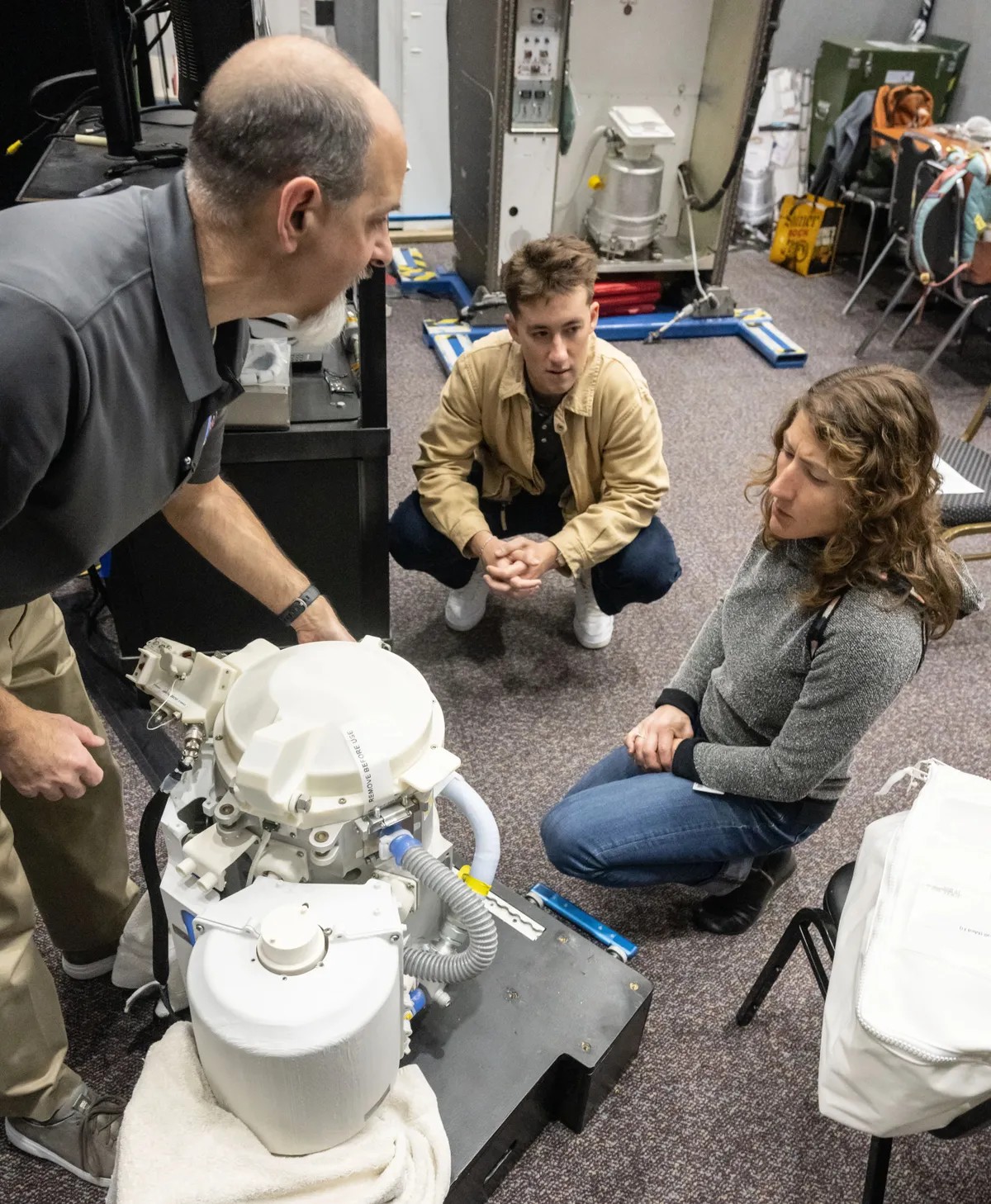
“The toilet flushed just fine, but then when the liquid went out the bottom of the toilet, it got clogged up in our vent line,” the commander explained. This line was supposed to carry urine from the spacecraft directly into open space. According to Wiseman, the process was a remarkable sight: from the window, one could see “billions of tiny ice crystals shooting out into deep space.”
Limitations and search for causes
Due to a blockage in the ventilation line, it became impossible to flush the toilet, which limited its functionality for part of the flight. As a result, the crew had to use the internal tank, which, according to Wiseman’s estimates, could hold less than 10 urinations. At the same time, solid waste had to be kept inside the spacecraft until landing, so it was not jettisoned into space, which means it could not have been the cause of the malfunction.
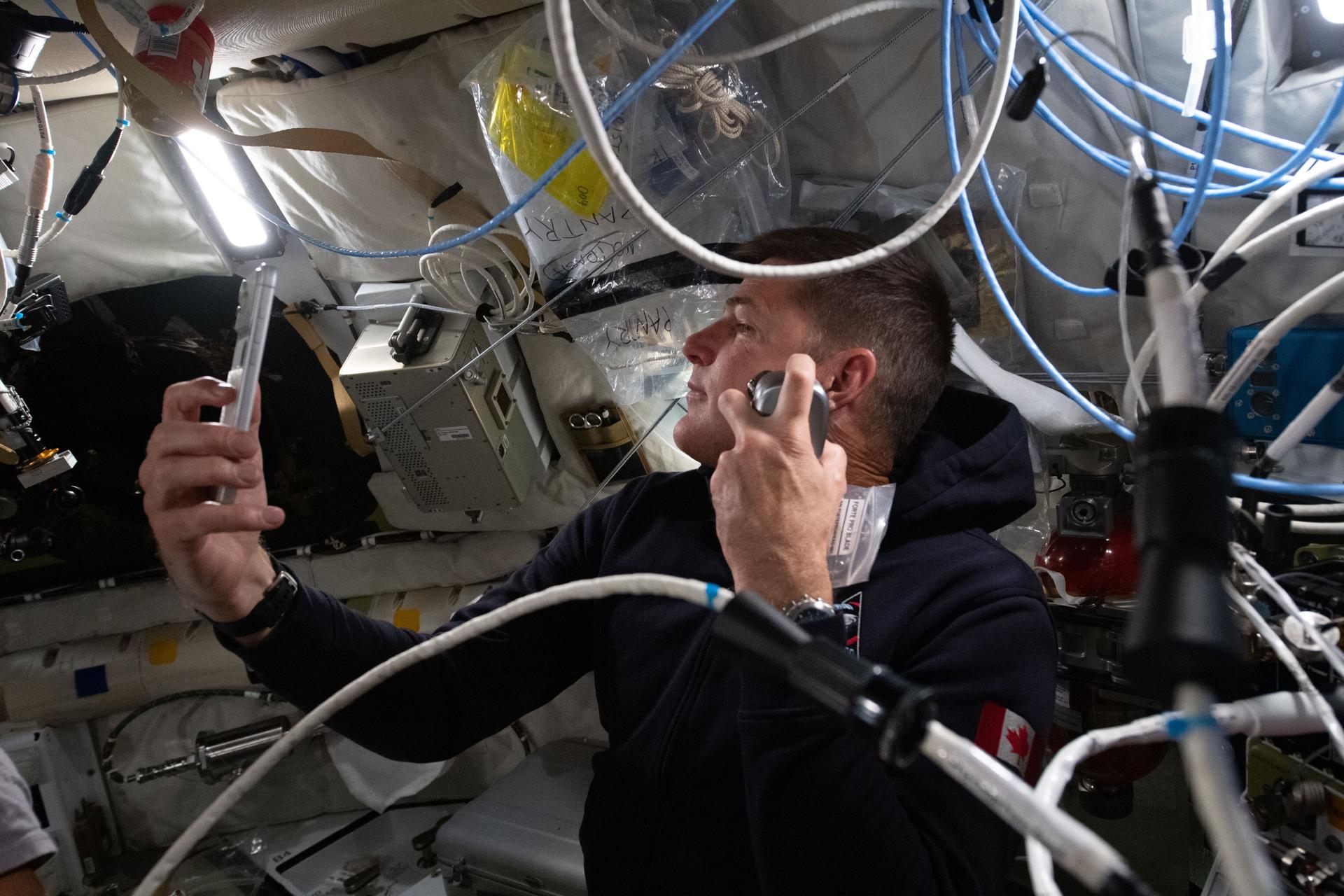
At first, NASA experts assumed that the ventilation nozzle was blocked by ice. However, neither heating the area from the inside nor maneuvering the capsule to expose it to sunlight solved the problem. At this point, the leading theory is that an adverse chemical reaction occurred. Scientists suspect that the cause may have been chemicals added to the wastewater to prevent the formation of biofilms.
The exact cause will be determined only after engineers on Earth conduct a detailed inspection of the Orion capsule.
Despite the malfunction, Reid Wiseman emphasized that the engineering team should be proud of their work, as this device represents a huge leap forward compared to the Apollo era, when astronauts used only single-use hand-held bags.
Earlier, we explained what makes the journey to the Moon less difficult than the return to Earth.
According to space.com

