

NASA is preparing for its second attempt at a dress rehearsal for the Artemis II mission — the first manned flight around the Moon in half a century. However, preparations are facing an insidious technical problem that has already delayed the previous launch: an elusive hydrogen leak. This week, engineers will conduct a key test that will determine whether the rocket will be able to fly in March, or whether the story of months-long delays will repeat itself again.
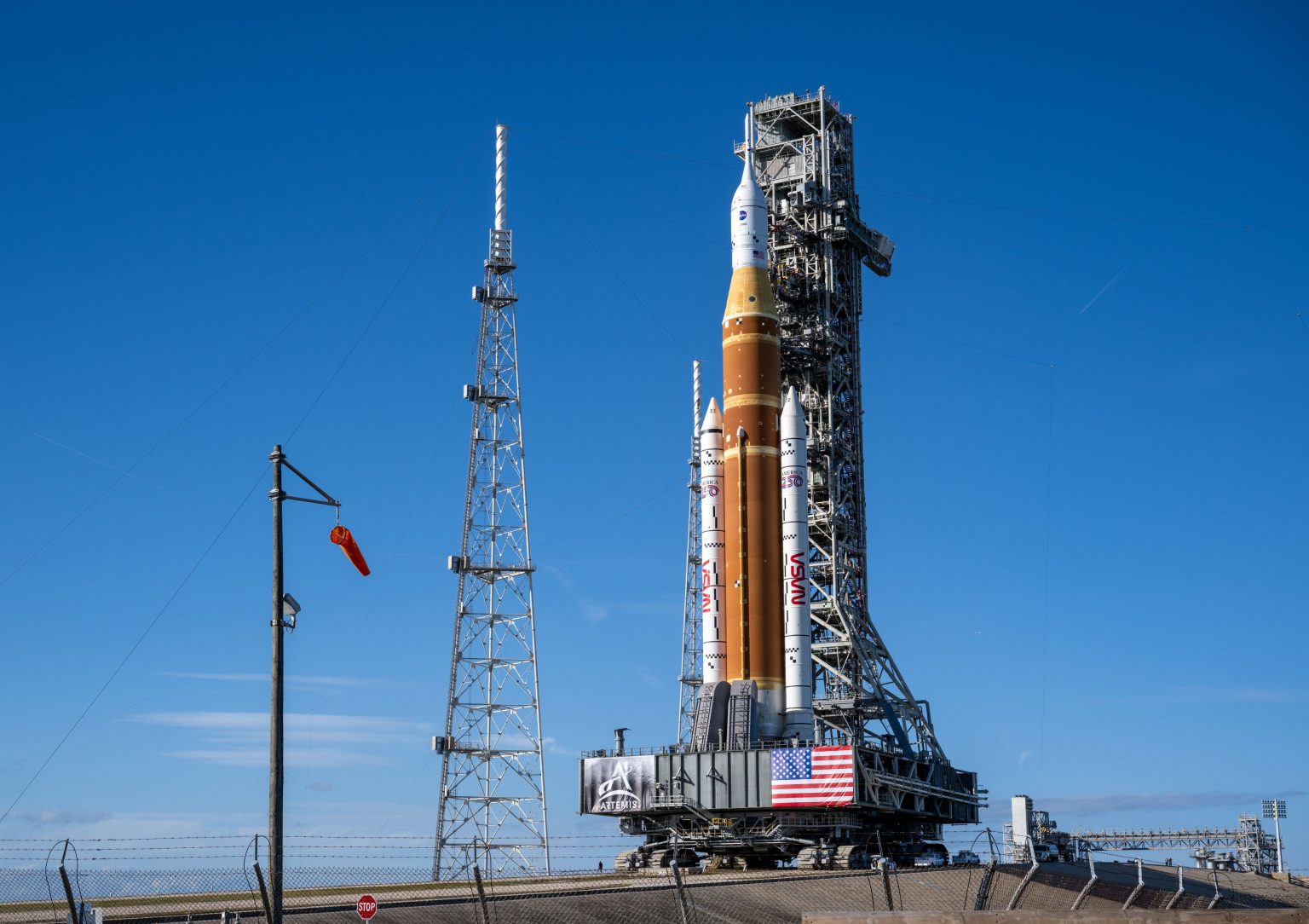
There is a saying in space engineering: “The smallest detail can stop the biggest rocket.” For NASA, that detail was liquid hydrogen. Last week, during the first dress rehearsal for refueling the super-powerful Space Launch System (SLS) rocket, a fuel leak occurred. Hydrogen molecules found a way in through one of the joints in the tail service mast — the structure that supplies the rocket with fuel directly on the launch pad.
It was an unsettling déjà vu. Three years ago, leaks like these turned the preparation of the unmanned Artemis I into a technical thriller, forcing engineers to roll the rocket back into the hangar three times in six months. Then, only on the fourth attempt, the rehearsal was completed.
Why is hydrogen so difficult to retain?
Liquid hydrogen is extremely cold (-253°C) and has such small molecules that it can seep through microscopic gaps in seals that perfectly retain any other liquid. Extreme cold further weakens metal parts, causing cracks to appear precisely where they are least expected.
Yikes. NASA couldn’t even complete a test of the SLS rocket’s ground system seal for liquid hydrogen because something else broke with the ground systems. And they wait until 8 pm ET Friday to send an update on something they knew last night.https://t.co/X1EJ35Qo7O
— Eric Berger (@SciGuySpace) February 14, 2026
After the first incident in early February, technicians replaced two seals. But on February 12, during an inspection of the repairs, ground equipment failed. The filter became clogged, which reduced the fuel flow and prevented the tests from being completed. However, NASA administrator Jared Isaacman noted that the leak had become significantly smaller and that the agency had collected invaluable data. The filter was replaced, and on Thursday, a new attempt will be made.
Historical mission under pressure of time
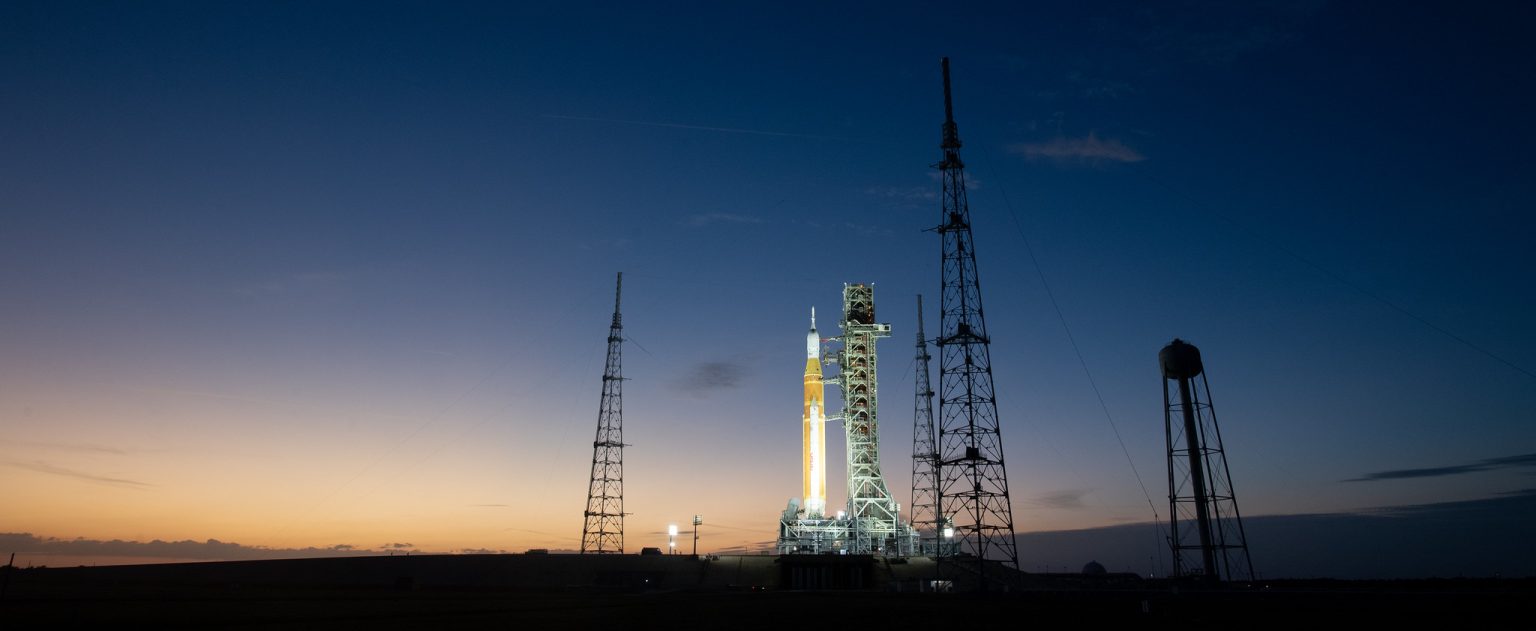
The price of a mistake is the lives of the crew, so rushing is not an option here. But delay also threatens strategic positions: NASA is in a tacit competition with China for the right to be the first to land humans on the south pole of the Moon as part of the Artemis III program.
On February 19, the teams will attempt to bring the countdown to 29 seconds before the start, stopping before igniting the engines. If the test is successful, the March launch window (March 6-11) remains realistic. If not, the schedule may shift again.
We previously reported that NASA had allowed the Artemis II astronauts to take gadgets into space.
According to NASA

