

SpaceX continues to keep the world on the edge of its seat, turning even technical delays into media sensations. Although the long-awaited test launch of the latest Starship V3 rocket had to be called off at the last minute, the event brought some unexpected news. With less than 15 minutes to go before the countdown ended, the live broadcast commentators introduced a man determined to make history as the commander of SpaceX’s first crewed mission to Mars.
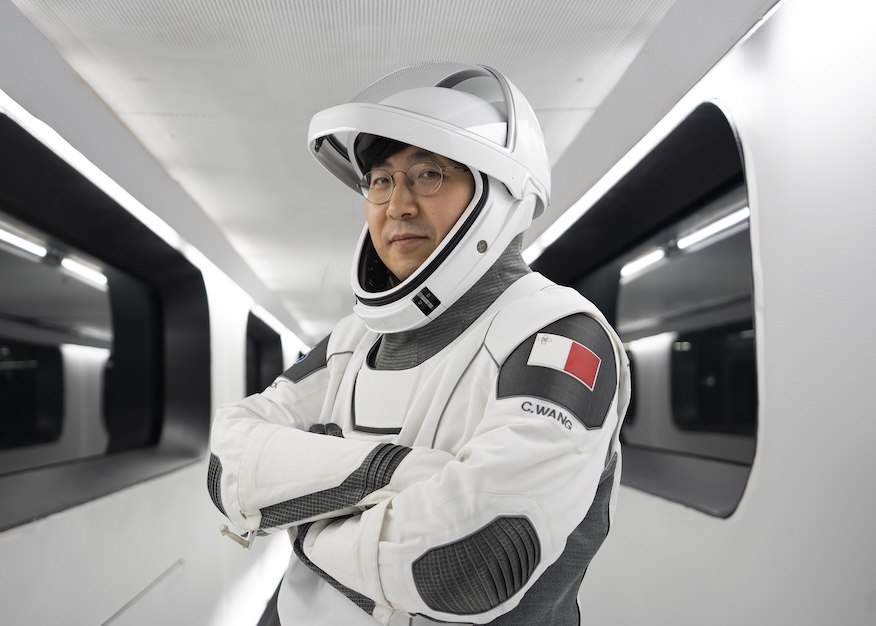
During the broadcast, the company showed a video message from cryptocurrency billionaire and citizen astronaut Chun Wang, recorded on the isolated Bouvet Island in the South Atlantic. Wang shared his ambitious plans: he will embark on an interplanetary journey aboard the Starship, which will travel past the Moon to the Red Planet. Although the company has not yet disclosed the exact launch date, this mission promises to be the first crewed interplanetary flight in human history.
From the crypto industry to space
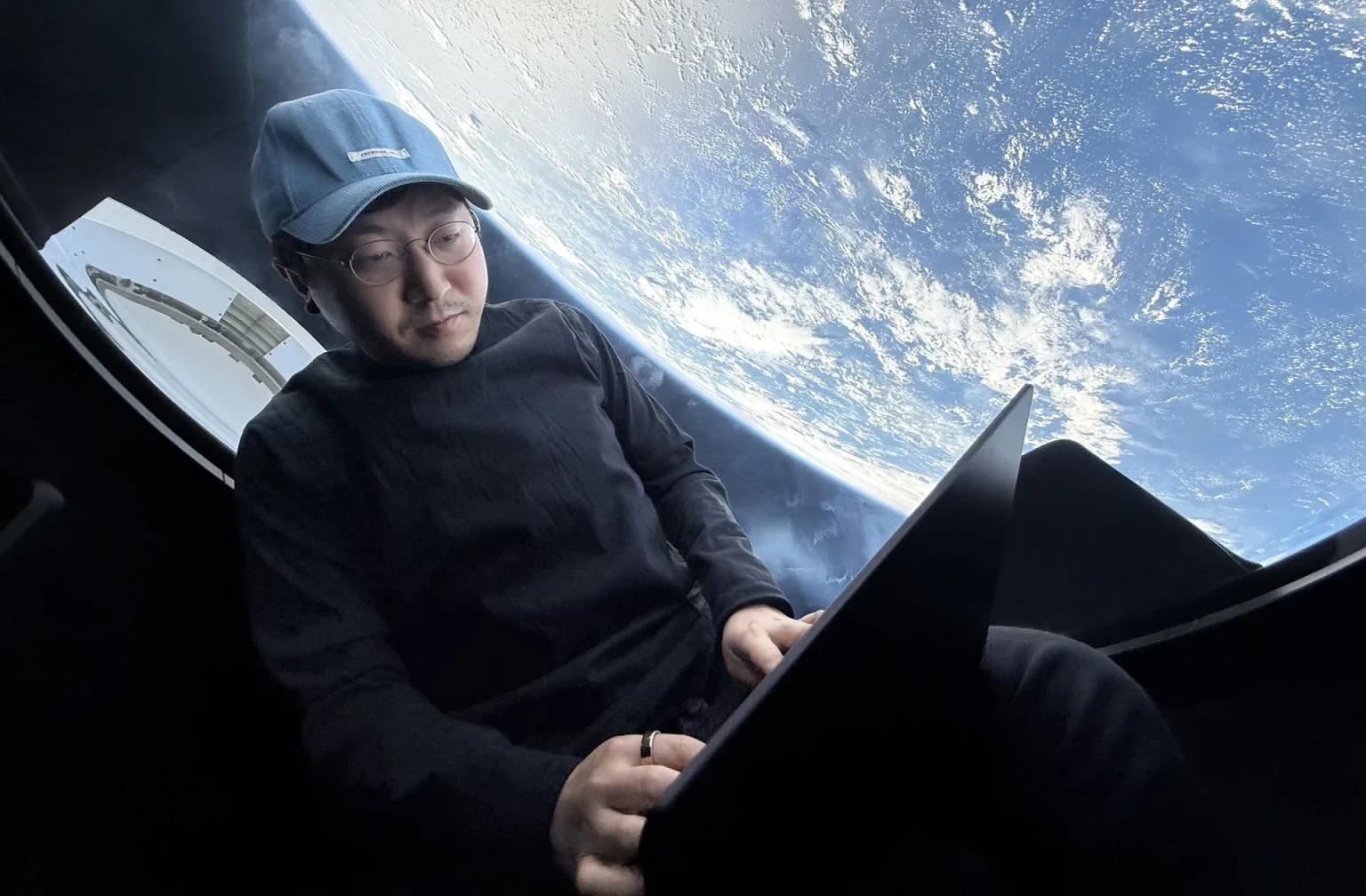
Chun Wang’s journey to the stars began in the digital world. He is known as the co-founder of F2Pool—one of the first and largest Bitcoin mining pools in China. Having amassed a considerable fortune through the cryptocurrency business, Wang changed careers, describing himself as an “eternal traveler.” In recent years, his focus and investments have shifted entirely to the commercial spaceflight sector.
Space is no longer uncharted territory for Wang. On March 31, 2025, he successfully funded and led the private SpaceX Fram2 mission. At that time, the Crew Dragon spacecraft, launched into orbit by a reliable Falcon 9 rocket, sent Wang and three other new astronauts on an exciting three-day journey around the Earth’s polar regions. This flight served as successful training before the realization of his much more ambitious dream.
A two-year odyssey in a cramped space
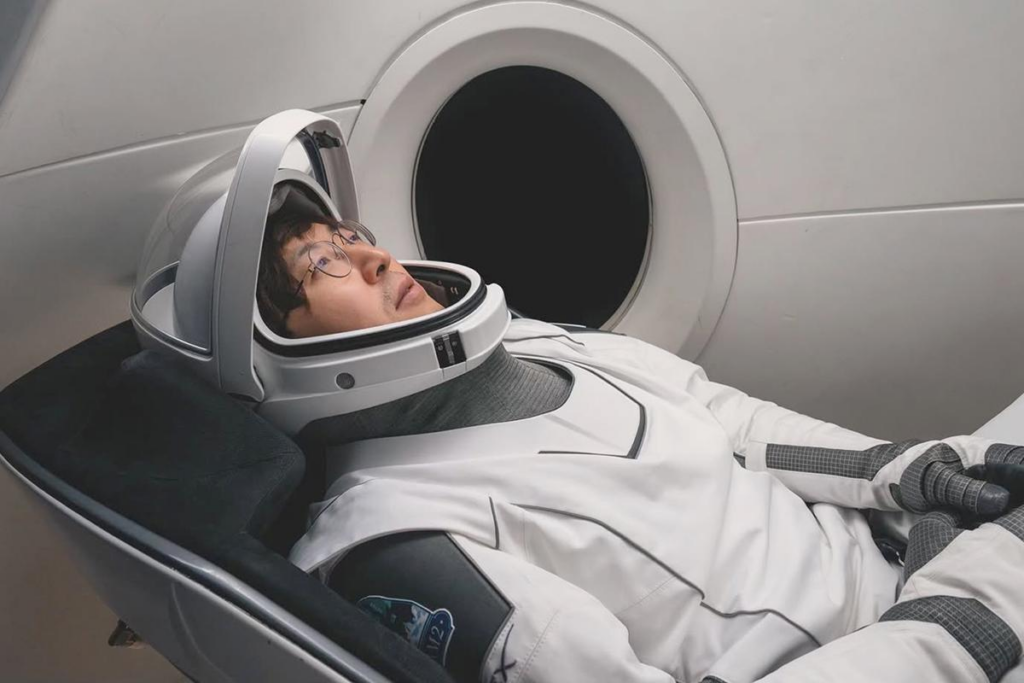
The upcoming mission to Mars will be an unprecedented challenge for both space technology and the human psyche. According to estimates by experts at the specialized publication spacepolicyonline.com, the round-trip journey will take at least two years. Spending such an extended period of time in the confined space of a spacecraft requires extraordinary endurance.
However, the commander of the upcoming mission himself remains completely calm. In an interview with SpaceX’s communications manager, Wang humorously noted that a long space journey did not scare him at all.
“When I’m flying on an airplane, I can’t take my eyes off the map from takeoff to landing, so I think I’ll enjoy this trip too,” Wang said.
However, the main obstacle on the way to the Red Planet remains the readiness of the launch vehicle itself.
Starship V3
The wait for the first full-scale flight of Starship V3—the largest and most powerful launch vehicle ever built by humankind—has been going on for several months now. This super-heavy-lift vehicle is a cornerstone not only for Elon Musk’s Mars plans but also for NASA’s strategic goals.
The U.S. space agency plans to use a modified version of Starship V3 as a lunar lander to return astronauts to the surface of the Moon.
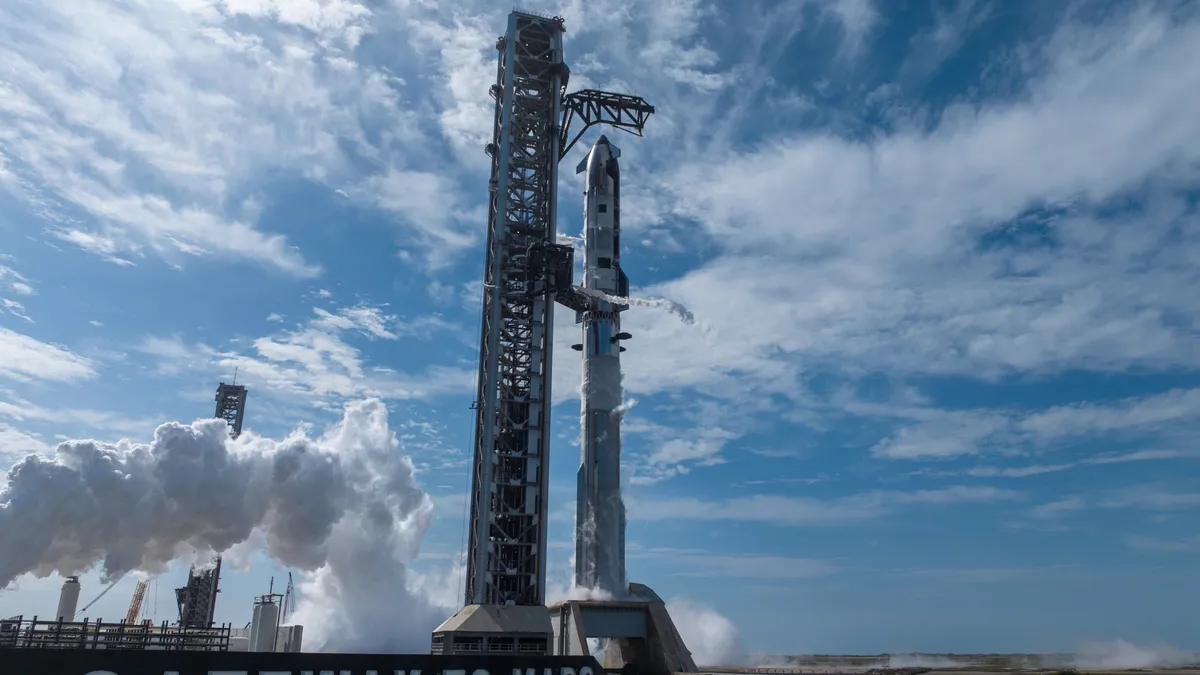
However, due to significant delays in development, NASA has found itself in a difficult situation and is forced to consider alternative options in parallel, specifically a module from Blue Origin. If the development of Starship is delayed by another six months, Blue Origin’s lander could become the agency’s top priority and most likely option for a lunar landing in 2028 or 2029.
Elon Musk’s response
The SpaceX CEO’s response was not long in coming. Elon Musk quickly addressed the community’s concerns, assuring them that the company has sufficient capacity. According to him, the factory has already assembled a large stockpile of V3 spacecraft and corresponding boosters.
There is a large pipeline of V3 ships and boosters in the factory. The delay from last launch was due to the almost total redesign of the primary structure, engines, electronics and launch tower from V2.
— Elon Musk (@elonmusk) May 21, 2026
Failure today will not affect schedule by more than a month or so.
“The delay since the last launch was due to an almost complete redesign of the main structure, engines, electronics, and launch tower compared to the V2 version. Today’s setback won’t push the schedule back by more than a month,” Musk emphasized.
The success or failure of this test flight will have a domino effect. If Starship V3 quickly proves its reliability, Chun Wang’s dream of flying to Mars will come closer to reality. But if the latest rocket suffers a series of early failures similar to those that plagued the tests of the previous V2 version, we will have to wait a very long time for the first interplanetary mission.
We previously discussed how to become a space tourist.
According to spacepolicyonline.com

