

The Artemis III mission will not fly to the Moon. Under the updated plan, NASA will launch a crewed Orion spacecraft, which is scheduled to dock with one or two lunar landers in Earth orbit. An intermediate mission is necessary to test the maneuvers that will be used in subsequent flights to our natural satellite.
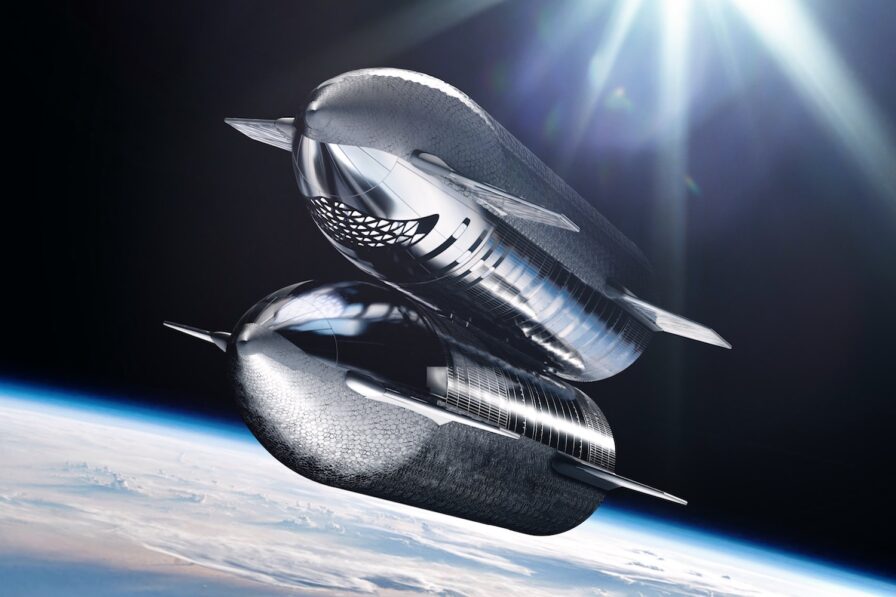
The exact details of the flight are still under discussion. In particular, the orbital altitude and the configuration of the Super Heavy SLS rocket are being decided. A low Earth orbit will save the already completed upper stage of the SLS rocket for the next mission involving an actual lunar landing. On the other hand, while launching into a higher orbit will require the use of this stage, it will create test conditions that are as close as possible to those on the Moon. In the future, once the current supply of upper stages runs out, NASA plans to equip the SLS rocket with new Centaur V upper stages from United Launch Alliance.
Another question that remains unanswered is which spacecraft Orion will dock with—SpaceX’s Starship or Blue Origin’s Blue Moon? It is possible that the agency will attempt to incorporate both landers into the flight plan, provided they are ready.
Apollo 9’s path
Just two months ago, Isaacman announced that the Artemis III landing at the Moon’s South Pole had been canceled. The original plan was deemed too ambitious and risky: the astronauts would have had to dock for the first time and transfer to the Starship or Blue Moon without first practicing the complex maneuvers 380,000 km from Earth.
Thus, Artemis III will be a modern-day version of the Apollo 9 mission, during which the lunar module was tested in Earth orbit four months before Neil Armstrong and Buzz Aldrin took their historic steps during Apollo 11. If something goes wrong near Earth, the Artemis III crew will be able to return home in a matter of minutes or hours, rather than days.
Space race and new deadlines
The ambitious nature of the original plan would have required a multi-year hiatus before the next launch of the SLS rocket and the Orion spacecraft—and this despite the nearly flawless flight of the Artemis II mission earlier this month. However, NASA aims to carry out at least one mission per year.
When the agency presented its updated plan in February, officials had anticipated launching Artemis III in mid-2027, with the aim of conducting up to two lunar landings as early as 2028. However, late 2027 now appears to be a more realistic timeline.
As Isaacman noted, both SpaceX and Blue Origin have confirmed their readiness to conduct docking tests and verify module compatibility by the end of 2027. Both companies have secured multibillion-dollar contracts to develop crewed landers, but they are also investing significant amounts of their own funds.
Giant spacecraft and technical challenges
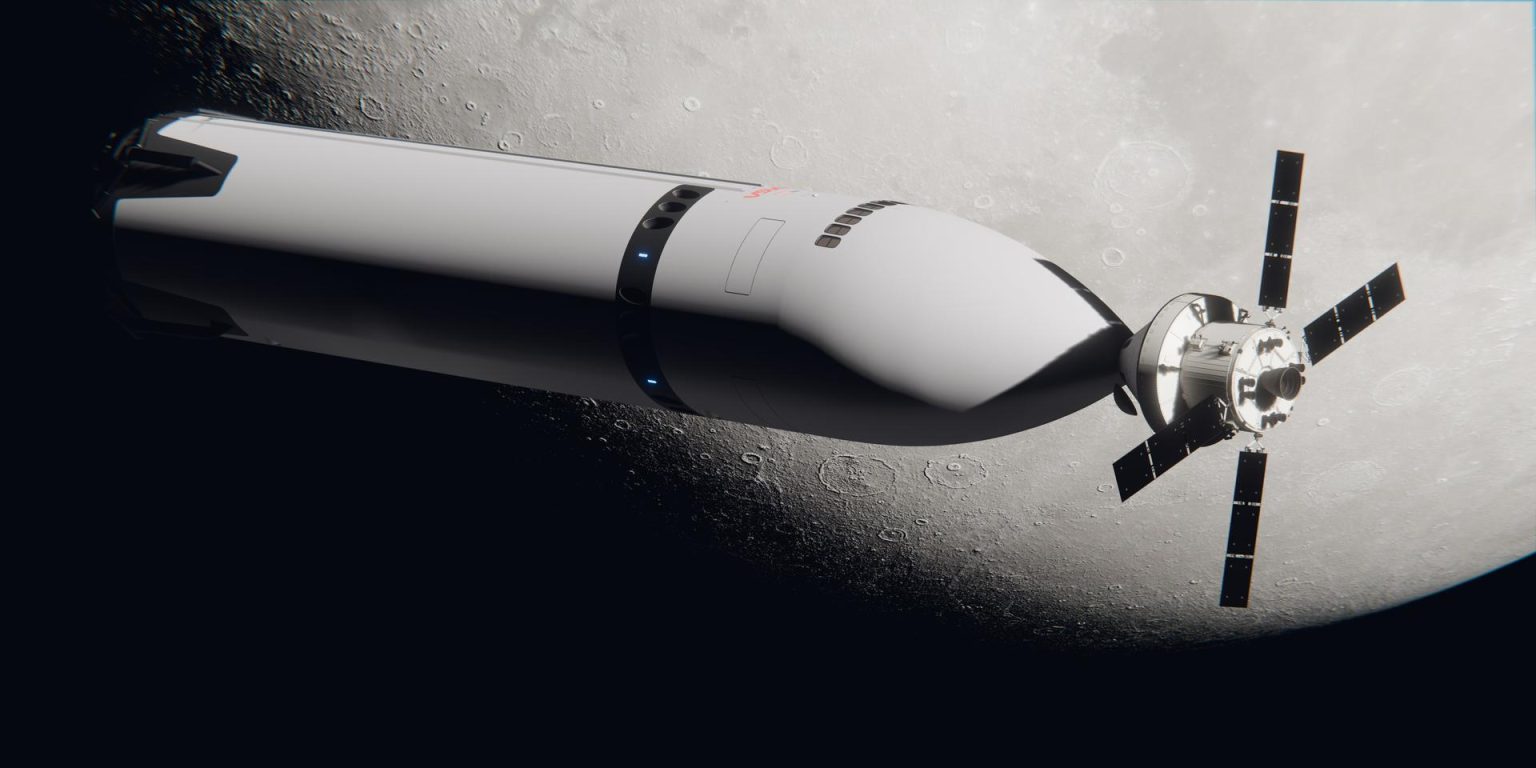
Starship and Blue Moon are much larger than the modules of the Apollo era. In the future, they will be able to refuel in lunar orbit for reusable flights between the surface and orbital cargo stations. According to Isaacman, this capability will allow us not just to return to the Moon, but to build a real lunar base—a long-held dream not only of NASA, but of all humanity. It is worth noting that a mission in Earth orbit eliminates the need for complex in-space refueling, which is essential for a flight to the Moon.
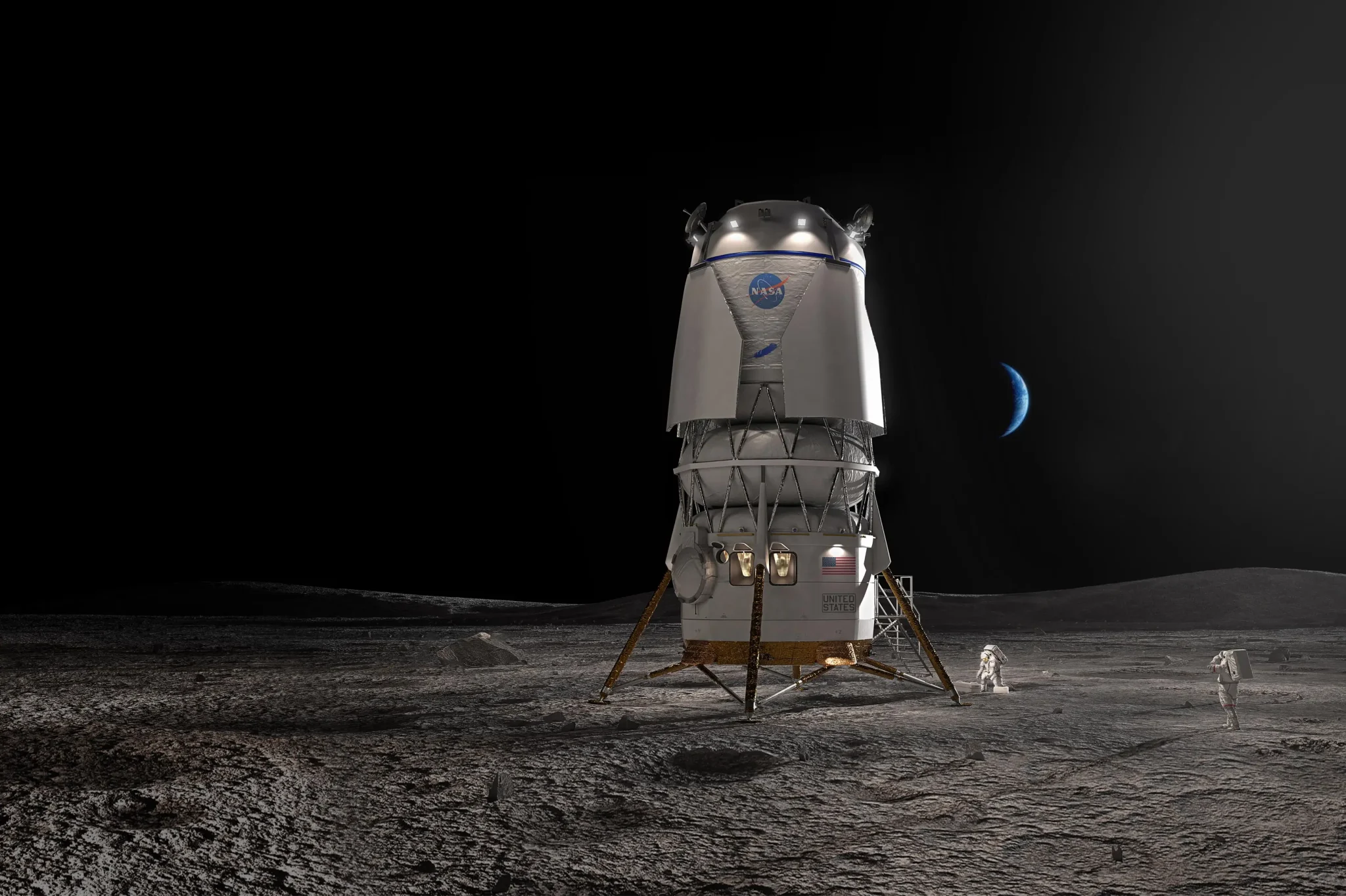
But preparing these giants for manned flight is an extremely difficult challenge. To be fully tested, Starship and Blue Moon will require independent life support systems, engines certified for human use, a cockpit, and a docking mechanism. As of now, companies have revealed few details about the readiness of these systems.
A less ambitious option could be an alternative: simply docking, without an autonomous flight of the crewed lander. NASA’s decision will depend on the success of the tests of the new Starship Version 3 rocket and the uncrewed landing of the Blue Moon cargo spacecraft on the Moon. In addition, the agency plans to test Axiom’s new spacesuits in orbit during Artemis III or on the ISS.
We previously reported on how the survival of the Artemis astronauts depends on the lunar elevator functioning properly.
According to ARS Technica

