

NASA is on the verge of a bold orbital experiment. The agency announced the arrival at the Wallops Flight Facility in Virginia of the Link service spacecraft, developed by Katalyst Space. By the end of June, Link will be integrated with Northrop Grumman’s Pegasus XL launch vehicle for launch into space. NASA has not yet announced an exact launch date.
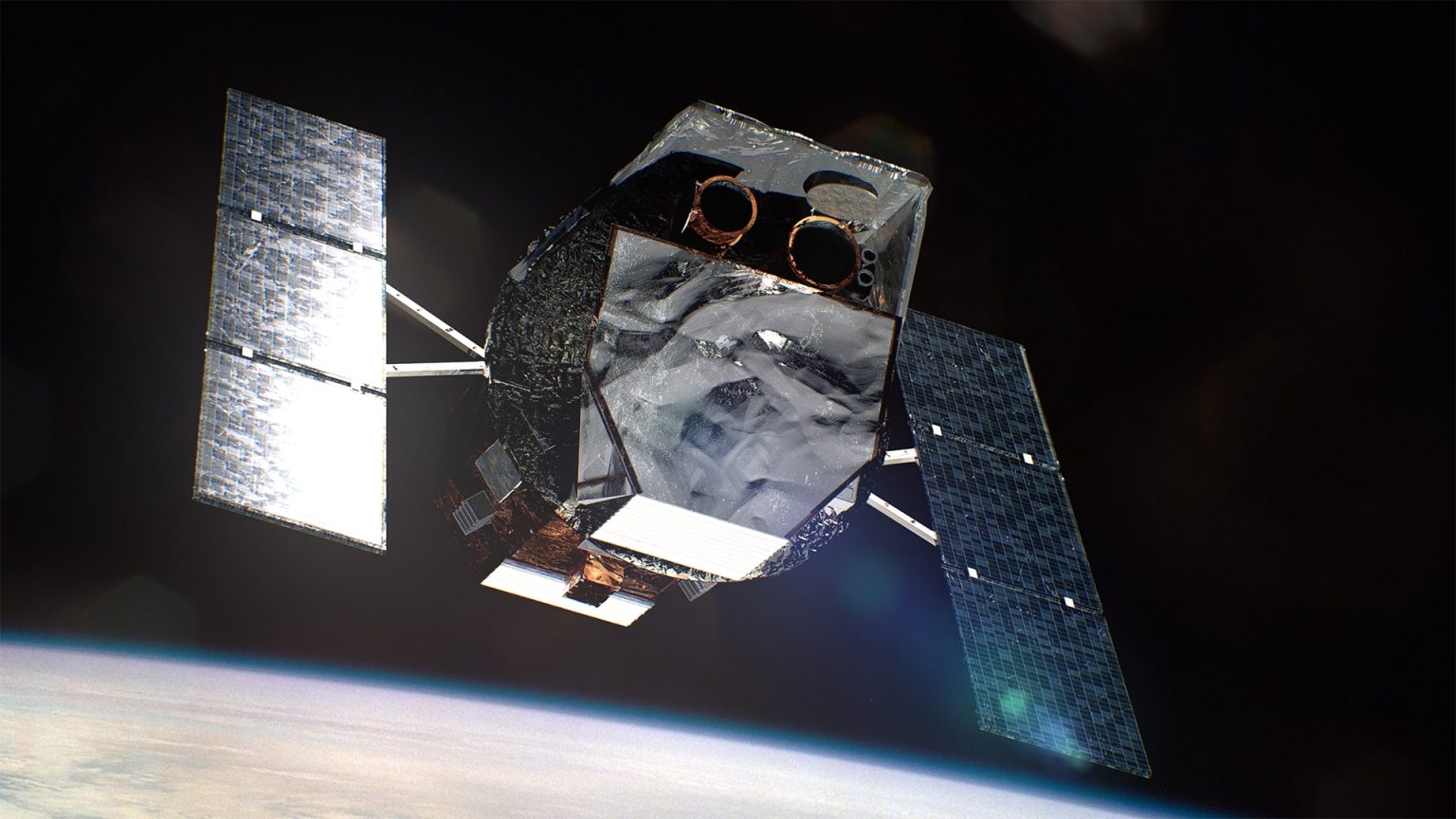
The $30 million contract to develop Link was signed last September. The main task of this spacecraft is to rendezvous in low Earth orbit with the Swift gamma-ray observatory. Due to atmospheric drag, the observatory’s altitude is constantly decreasing, so Link will attempt to “boost” the observatory into a higher orbit to continue scientific observations.
The agency notes that this is an extremely high-risk mission. For Katalyst Space, this is its first flight, and Swift was never designed to be serviced directly in orbit.
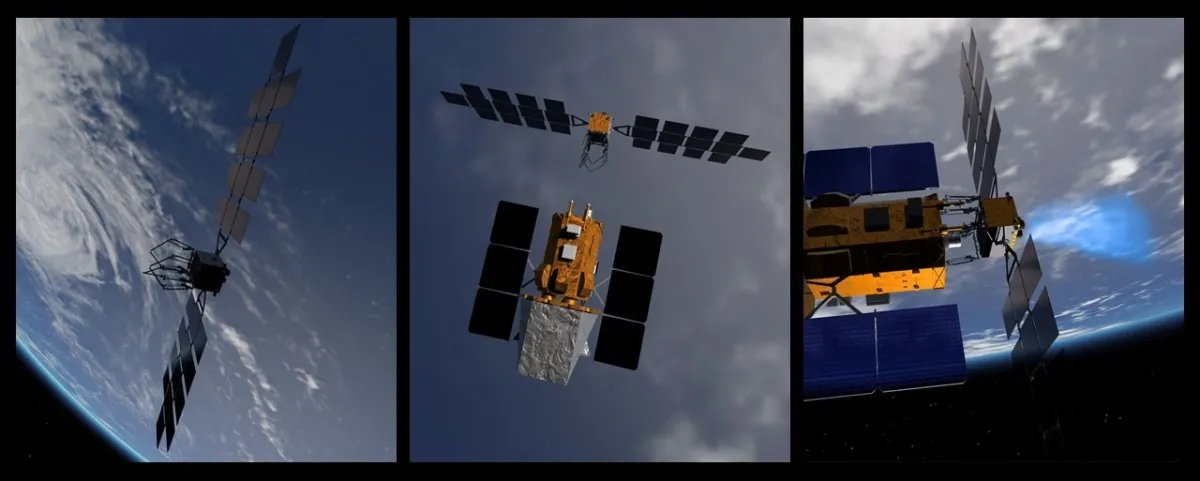
Nevertheless, the potential benefits outweigh the risks. Extending Swift’s lifespan will cost NASA a fraction of what it would cost to launch a new telescope.
Is there any chance of saving Hubble?
If successful, the Swift mission will serve as a blueprint for a larger-scale project—the relaunch of the legendary Hubble Space Telescope. Its orbit is also steadily declining. According to the space agency’s calculations, without intervention, the space observatory could burn up in the atmosphere as early as 2033.
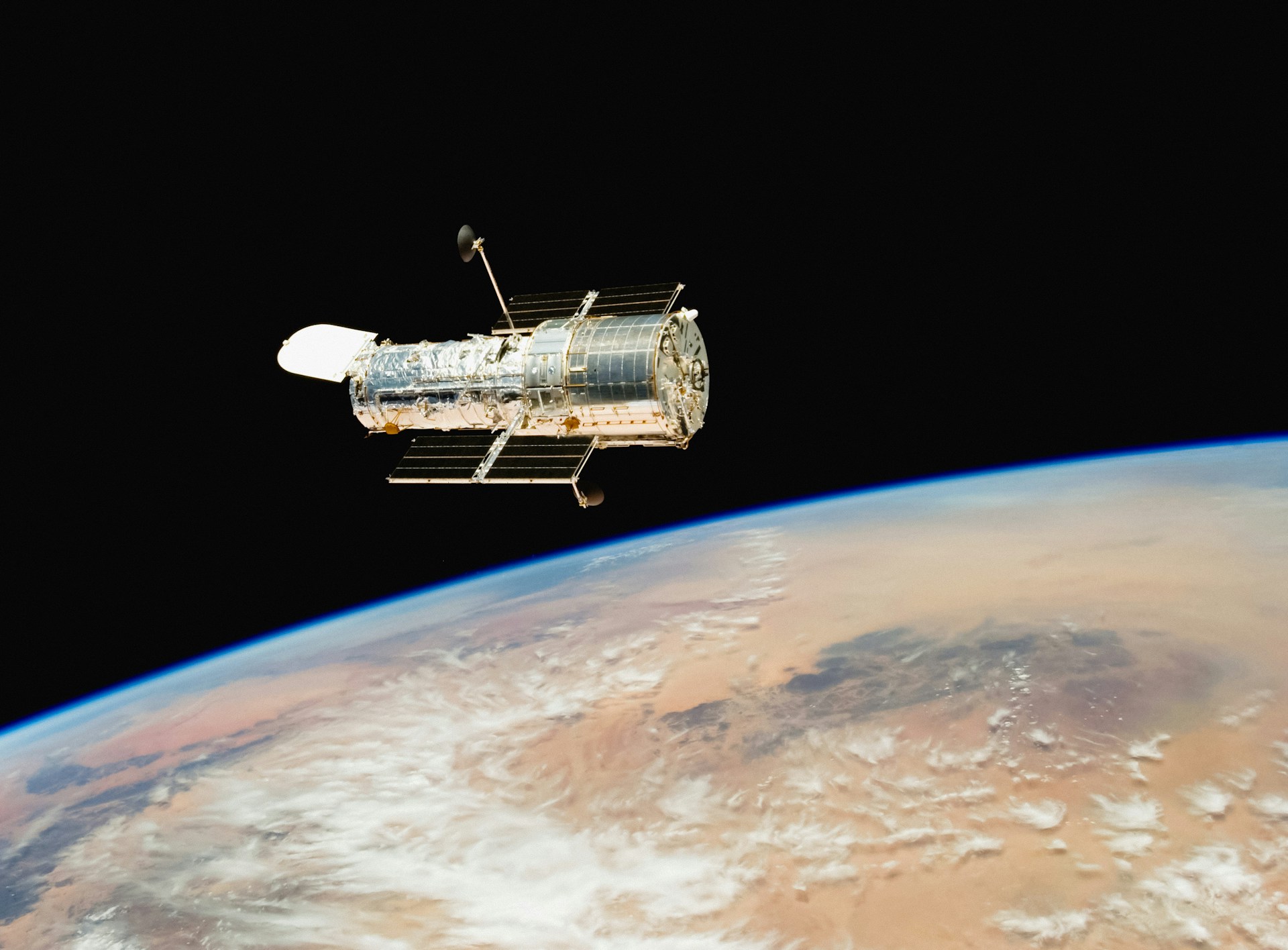
The cost of such orbital services turned out to be lower than expected, making the mission to rescue Hubble economically viable. However, there is a significant obstacle—the enormous cost of maintaining the aging telescope. In fiscal year 2025, $98.8 million was spent on Hubble, making it the second most expensive telescope after the newest James Webb Space Telescope.
A financial compromise for the sake of science
Since Hubble was built in a different era, maintaining it is extremely costly. NASA’s Science Mission Directorate is actively seeking ways to reduce spending on older projects in order to free up funding for future research.
The agency is fully open to the idea of raising Hubble’s orbit. But first, a plan must be developed to significantly reduce its operating costs. If this balance is achieved, the space observatory will be able to continue operating for many more years. This will allow it to serve as a scientific bridge until the launch of the next flagship project—the Habitable Worlds Observatory, scheduled for 2040.
According to Spacenews

