

The year 2025 is gradually coming to an end, so this is the perfect time to take stock. The editors of Universe Space Tech have selected ten photos illustrating the ten most significant space events of the year.
Asteroid panic
The year 2025 began under the sign of asteroid 2024 YR4. This seemingly unremarkable rock attracted worldwide attention when it was discovered that there was a 3.1% chance of it hitting Earth in 2032.

Source: International Gemini Observatory/NOIRLab/NSF/AURA/M. Zamani
However, it quickly became clear that these fears were exaggerated. Observations showed that the asteroid would safely pass by Earth. However, there is still a small chance that 2024 YR4 could collide with the Moon. We will have a definitive answer in 2028, when the asteroid approaches Earth again, and scientists will be able to calculate its trajectory more accurately.
Visit of an interstellar comet
If the main “star” of the first half of 2025 was asteroid 2024 YR4, then in the second half of the year, all attention shifted to comet 3I/ATLAS: the third interstellar object found in our solar system. In early October, it flew 29 million km from Mars, passed the perihelion of its orbit three weeks later, and in December, approached our planet at a distance of 270 million km.
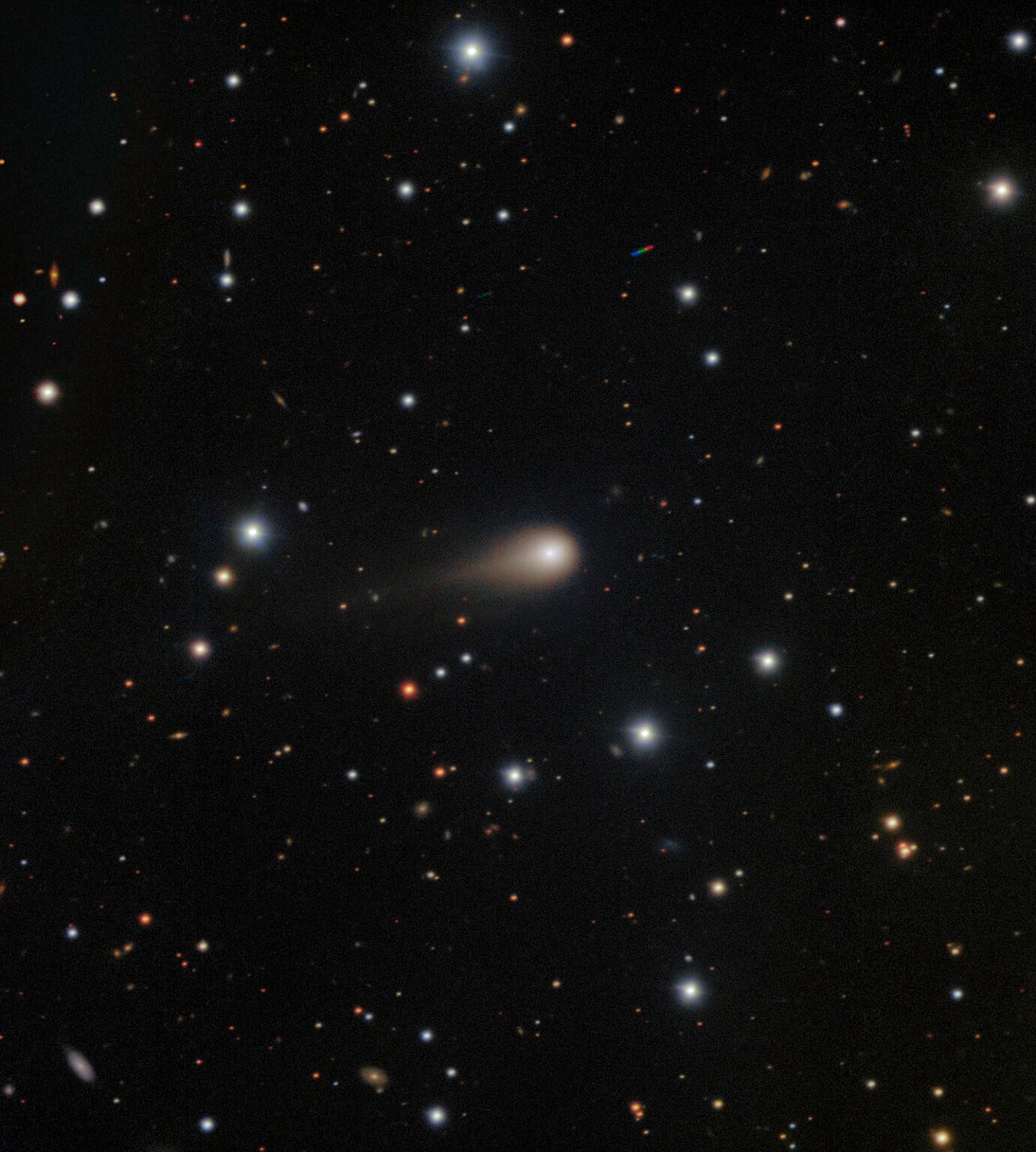
Source: International Gemini Observatory/NOIRLab/NSF/AURA/Shadow the Scientist
The visit of 3I/ATLAS was overshadowed by a large number of unscrupulous publications and fakes claiming that it was actually an alien spaceship. But although the comet has nothing to do with “little green men,” that does not make it any less interesting. It is a unique object that has come to us from a world that is probably significantly older than Earth. The data collected during the observations of 3I/ATLAS has already led to several interesting discoveries that have shed light on how comets are formed and how other star systems differ from ours.
Starship’s successes and failures
As in 2024, one of the main topics in 2025 remained the super-heavy Starship rocket. Throughout the year, SpaceX tested the next modification of the system, designated V2.

Starship V2 proved to be a challenging project. The first launches of the spacecraft ended in destruction, and another model was lost during an unsuccessful burn test. Nevertheless, by the end of testing, SpaceX was able to bring it to fruition. The company successfully splashed down the spacecraft and reused the Super Heavy booster. The next step in the Starship program will be V3: an even more powerful modification of the spacecraft, on which SpaceX intends to test landings and orbital refueling.
New Glenn rocket debut
2025 was the year when humanity got its second super-heavy rocket with a returnable first stage. It was New Glenn, developed by Blue Origin since the beginning of the last decade.
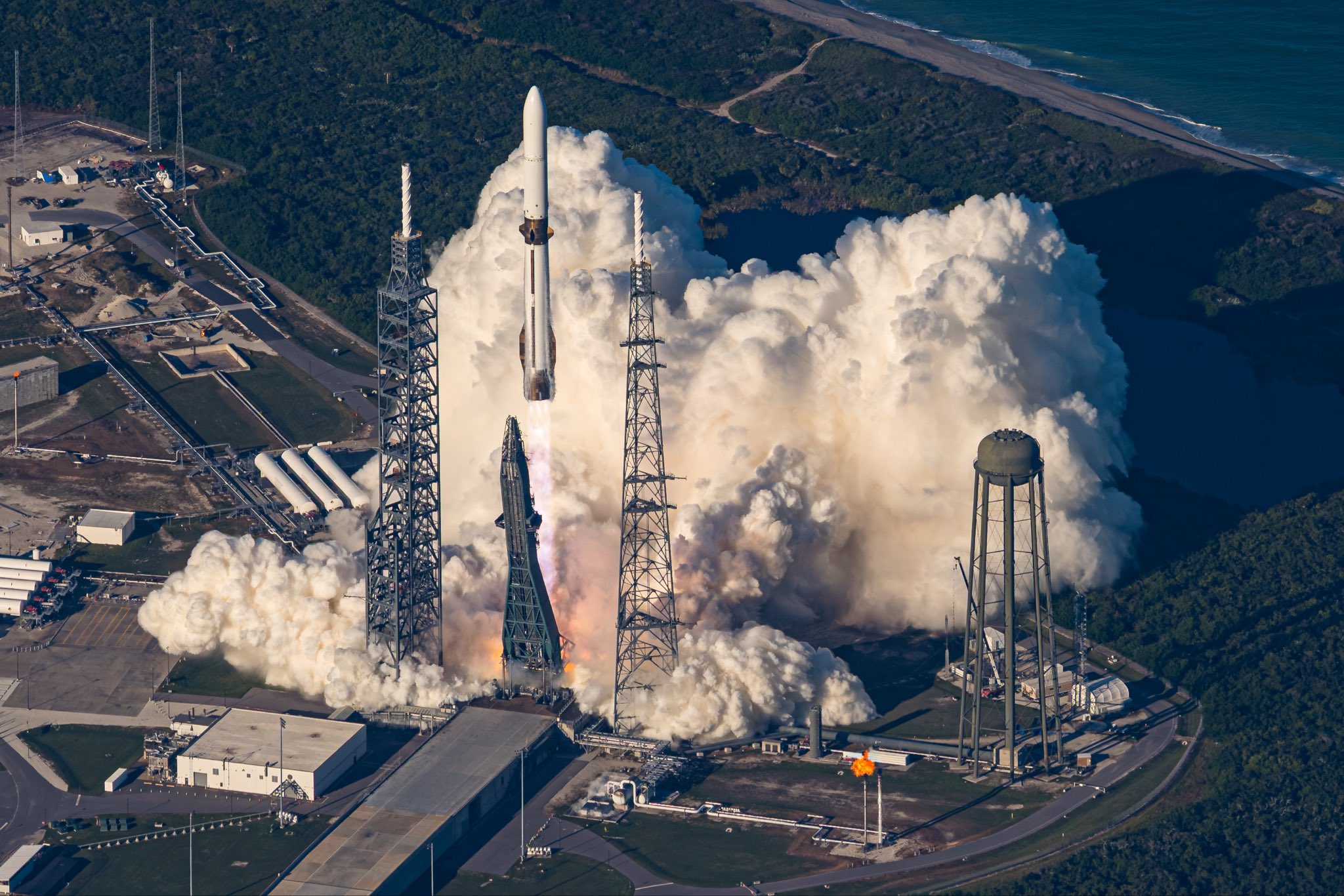
New Glenn’s first flight took place in January 2025. The rocket successfully entered orbit, but Blue Origin specialists were unable to land its stage. The second mission in November was a complete success. New Glenn sent the ESCAPADE mission into space, and its first stage made a successful landing on an autonomous barge in the ocean.
The Triumph of Firefly Aerospace
Another important breakthrough in 2025 was the Blue Ghost mission. Thanks to it, Firefly Aerospace became the first company in history to successfully land its spacecraft on the Moon without any incidents.
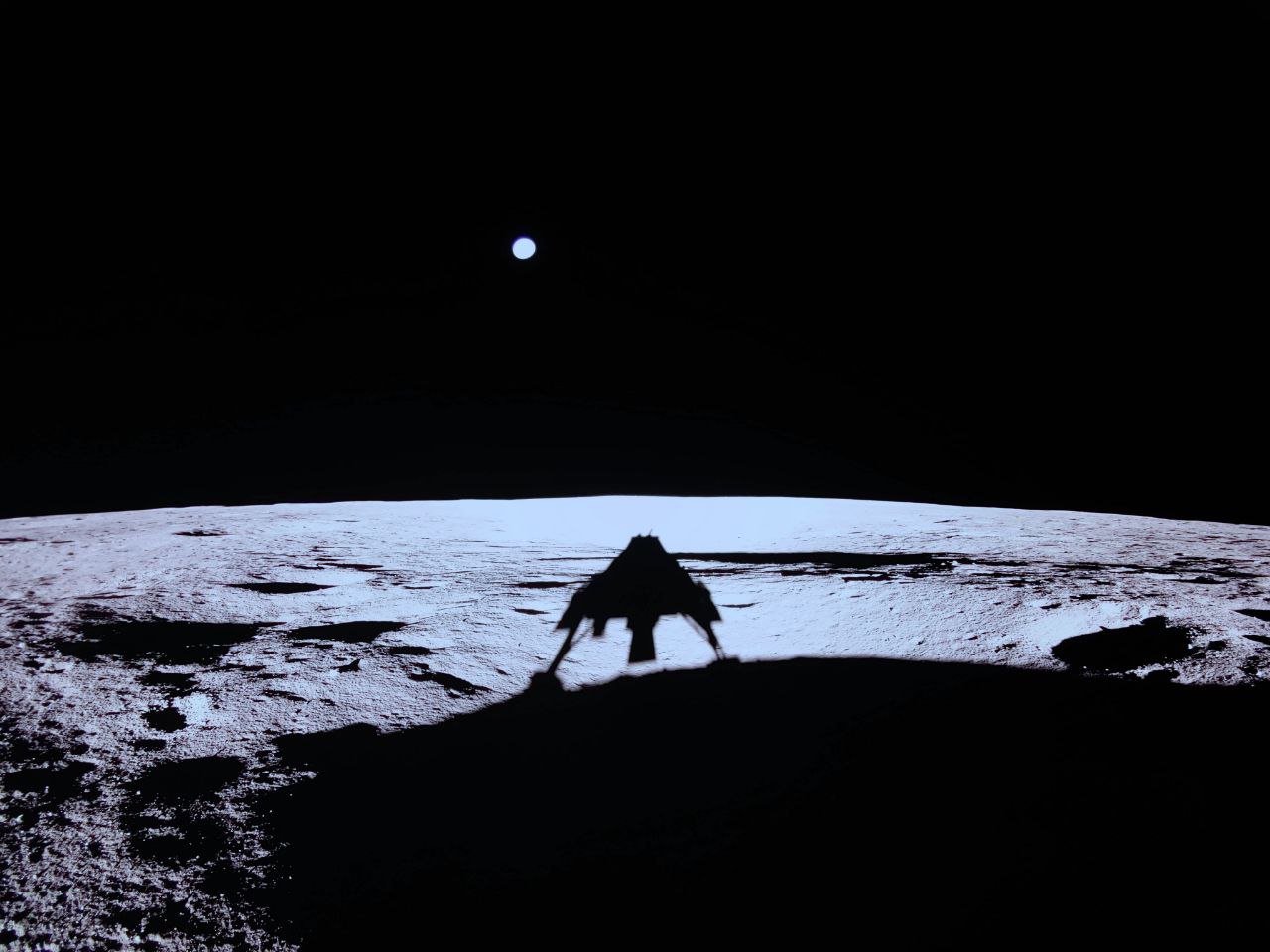
Source: Firefly Aerospace
Blue Ghost landed in the Mare Crisium region and flawlessly completed its scientific program, setting a standard that other private companies attempting to conquer the Moon will now strive to achieve. Among the most interesting moments of the mission were observations of a solar eclipse and a lunar sunset.
Unsuccessful landing of Athena
While Firefly Aerospace celebrated its success, the achievements of Intuitive Machines, another company attempting to conquer the Moon, were much more modest. On March 6, 2025, its Athena probe attempted to land in the southern polar region of the Moon. Unfortunately, the spacecraft tipped over, making it impossible to use its solar panels to recharge its batteries.
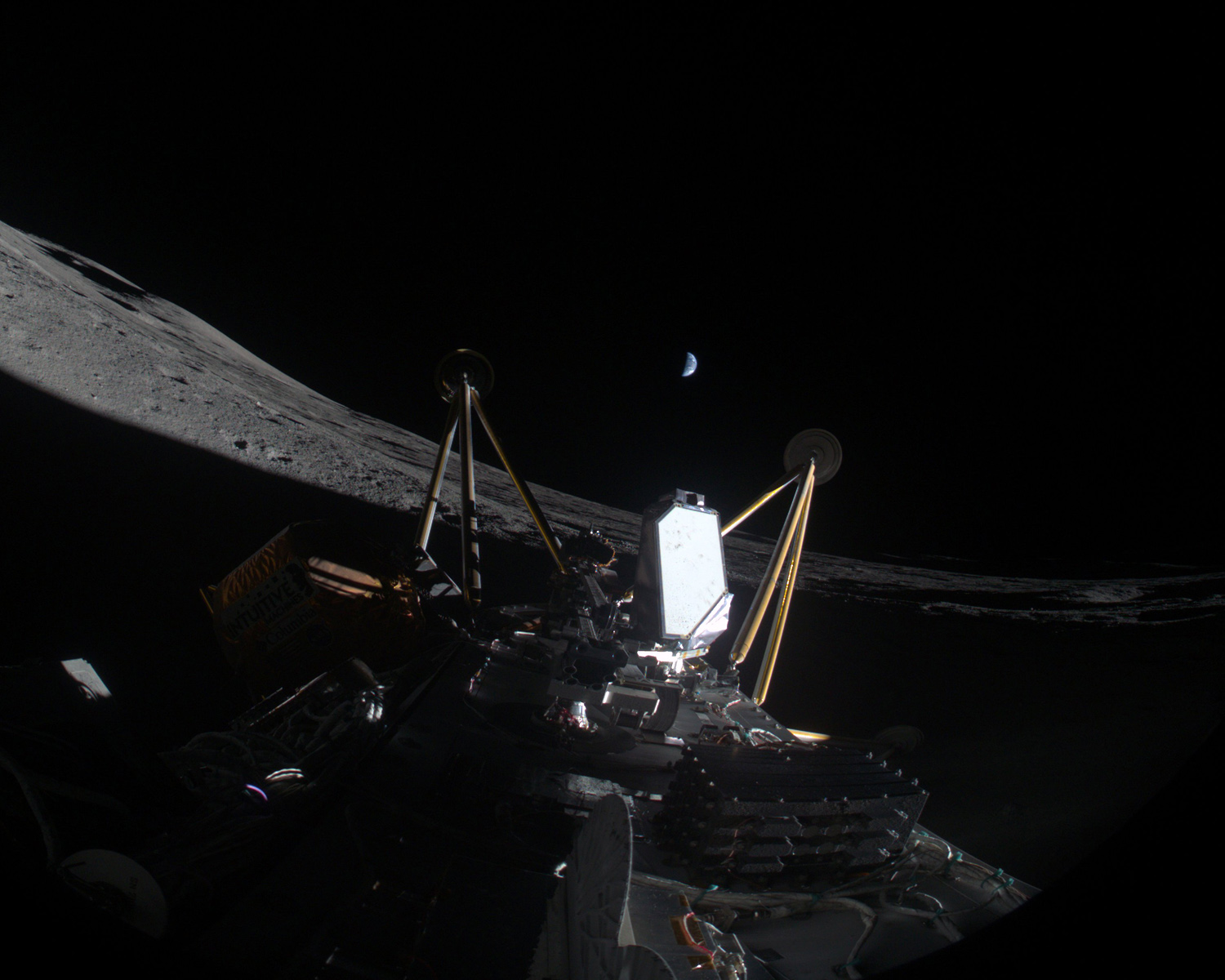
Source: Intuitive Machines
As a result, instead of the planned two weeks, Athena worked for 13 hours. The spacecraft managed to collect some scientific data and transmitted its farewell image to Earth, but compared to Firefly’s success, this result was rather modest. This is the second time that an Intuitive Machines spacecraft has overturned during its landing on the Moon. Last year, the Odysseus probe suffered a similar fate.
Chaos at NASA
2025 was a very difficult year for NASA. After the new US administration came to power, the organization was plunged into a spiral of mass layoffs and budget cuts, jeopardizing dozens of interplanetary missions.

Another problem was the lack of permanent leadership that could defend the organization’s interests before the White House. Due to a conflict with Elon Musk at the end of May, Donald Trump withdrew Jared Isaacman’s candidacy. After that, Transportation Secretary Sean Duffy was appointed acting head of NASA. Then Trump unexpectedly re-nominated Isaacman, but he still has to go through the necessary legal approvals. In the meantime, NASA remains without leadership.
The first light of the Vera Rubin Observatory
In June 2025, an important event took place for astronomers around the world: the Vera Rubin Observatory saw its first light.
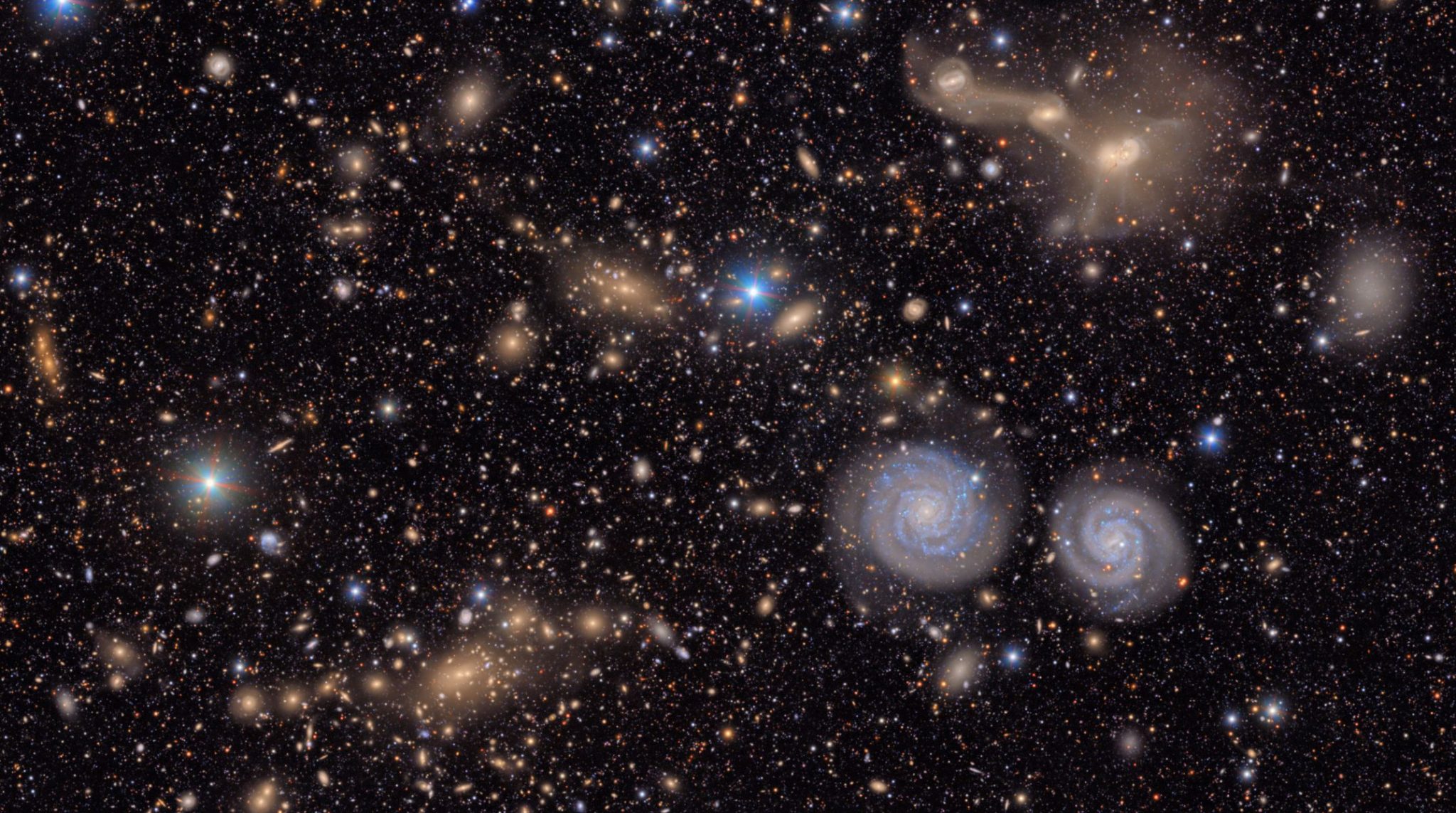
Source: NSF–DOE Vera C. Rubin Observatory
The Vera Rubin Observatory is located in Chile. It is a powerful survey telescope with a very large field of view. The observatory will be used to search for near-Earth asteroids, map the Milky Way, study supernovae, and investigate the mysterious dark matter and energy.
The collapse of Russian space exploration
During the launch of the Soyuz MS-28 spacecraft from launch pad 31 at the Baikonur Cosmodrome, an accident occurred. A multi-ton mobile service cabin beneath the launch pad collapsed into a gas exhaust chute.
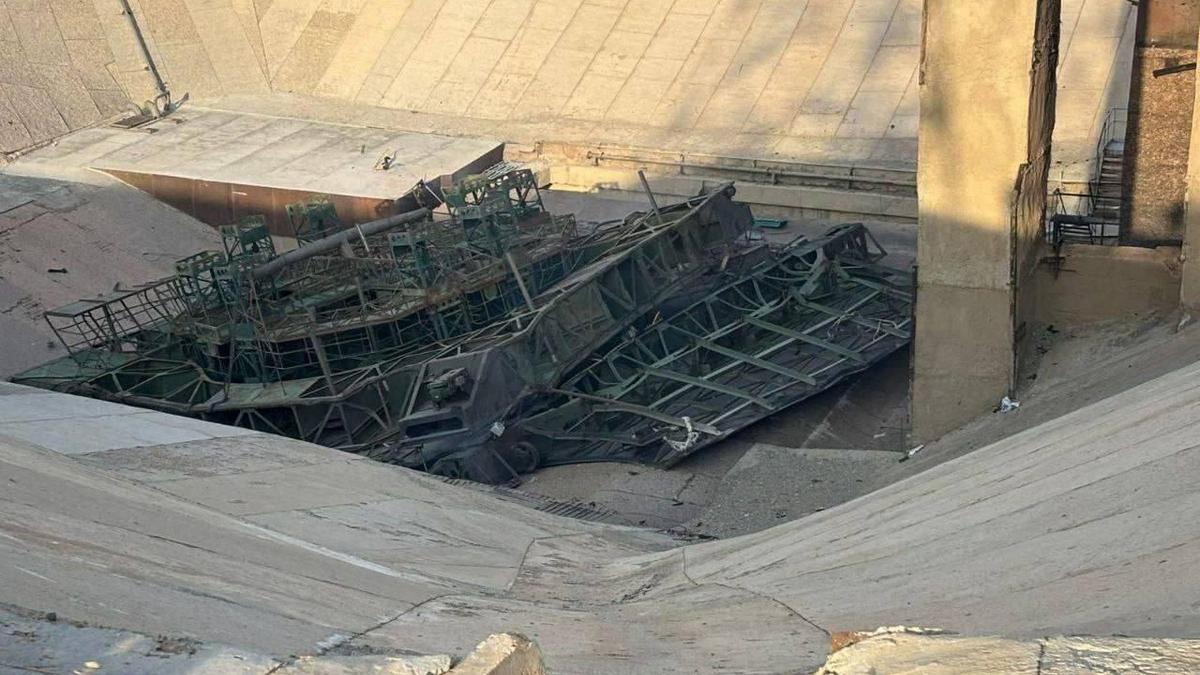
Launch Pad 31 was built during Sergei Korolev’s time and was the only Russian complex suitable for launching manned spacecraft. Various experts have different estimates of the time needed to repair it. But even the most optimistic estimates suggest that it will take many months, and possibly years, during which the aggressor country will be unable to send people into space.
Rescue of Chinese taikonauts
Last year, the whole world watched the epic saga of the Starliner spacecraft crew stranded on the ISS. This year, something similar almost happened to the Chinese Tiangong space station. The cause was space debris that struck the porthole of the Shenzhou-20 spacecraft. As a result, experts decided to return its crew on the Shenzhou-21 spacecraft. In turn, its crew remained on the Tiangong station without a safe way to return home in case of an emergency.
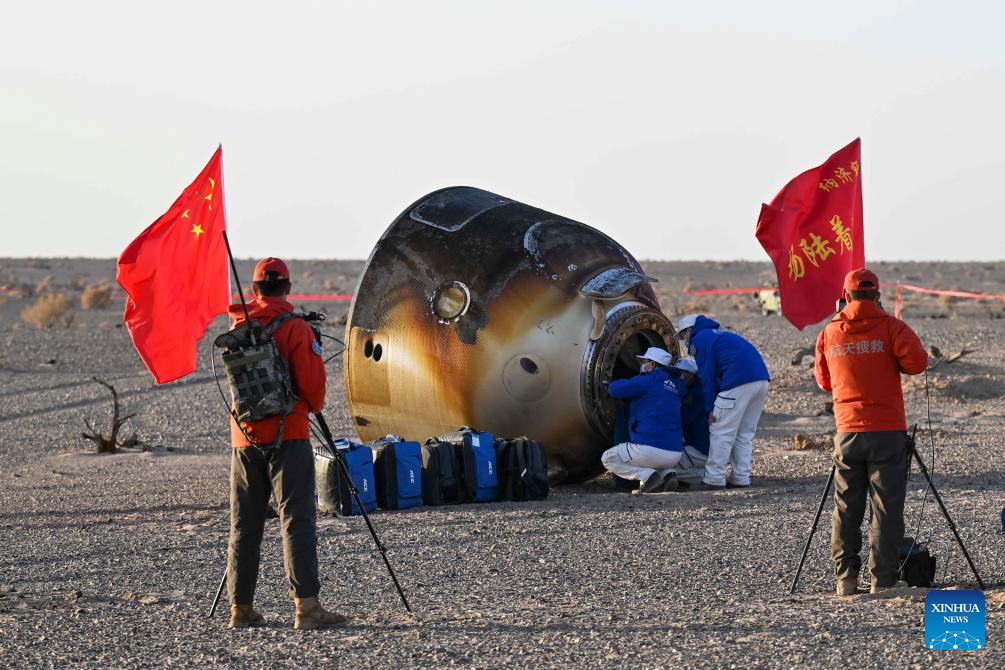
Fortunately, the period of uncertainty lasted only 11 days. Within a very short time, Chinese engineers prepared and launched the Shenzhou-22 spacecraft, which docked with Tiangong in unmanned mode. As a result, the taikonauts once again had a lifeboat.

