

The year 2026 should bring us many interesting events that will go down in the annals of world space exploration, from the first manned flight to the Moon in more than half a century to new Starship tests. Here are the main space expectations for the year.
The Artemis II mission
The Artemis II mission will likely be the most high-profile event of 2026. And there is hardly any need to explain why. After all, this will be the first manned flight beyond Earth’s orbit in 54 years, during which humanity will once again touch the Moon.
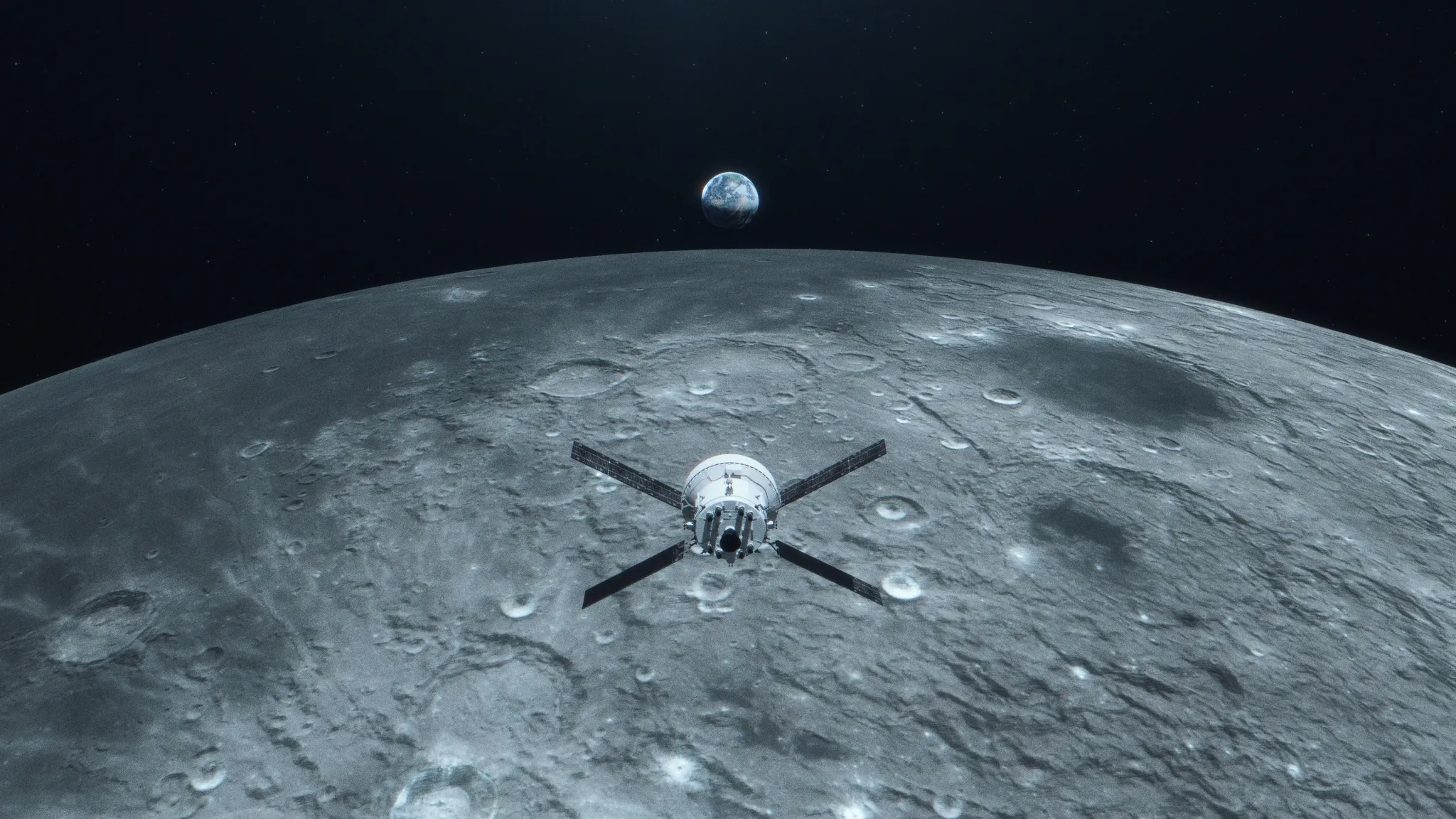
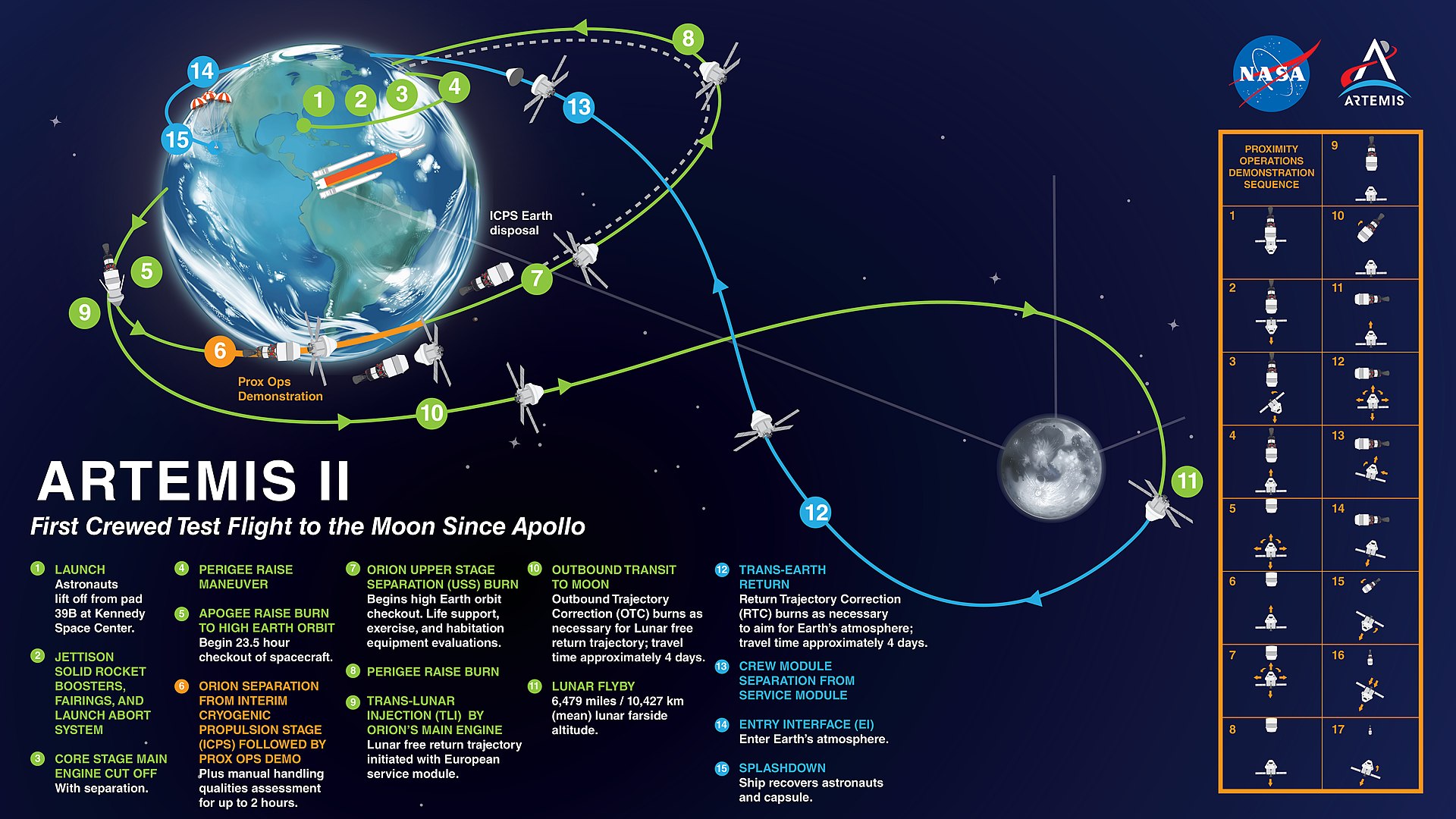
The flight plan is as follows. The super-heavy SLS rocket will launch the Orion spacecraft with four astronauts (three representing NASA and one representing the Canadian Space Agency) into Earth orbit. After making sure that all systems are operating normally, the crew will perform a maneuver that will put the spacecraft on a trajectory for a free flyby of the Moon.
On the sixth day of the flight, Orion will fly around the Moon (the minimum approach distance will be approximately 7,400 km), after which it will turn back toward Earth under the influence of the Moon’s gravity. This will eliminate the need for the expedition to use engines to change course, which should reduce the risks for the expedition. On the tenth day of the flight, the capsule with four astronauts will enter the Earth’s atmosphere and splash down.
Of course, flying around the moon is not the same as landing on it. But still, it is difficult to deny the symbolic significance of this mission. Since the Apollo program, several generations have grown up without seeing humans fly to other celestial bodies. The flight to the Moon will clearly help to raise interest in space exploration and astronautics. Artemis II will also mark the beginning of the next stage in the new lunar race between the US and China. At the moment, the launch of the mission is scheduled for February – March 2026.
The new Starship
As in previous years, the attention of all space enthusiasts will be focused on Starship. This year, SpaceX plans to begin testing a new, even more powerful modification of the super-heavy rocket, designated V3. Its first flight is tentatively scheduled for February. It will follow the same pattern as previous tests.
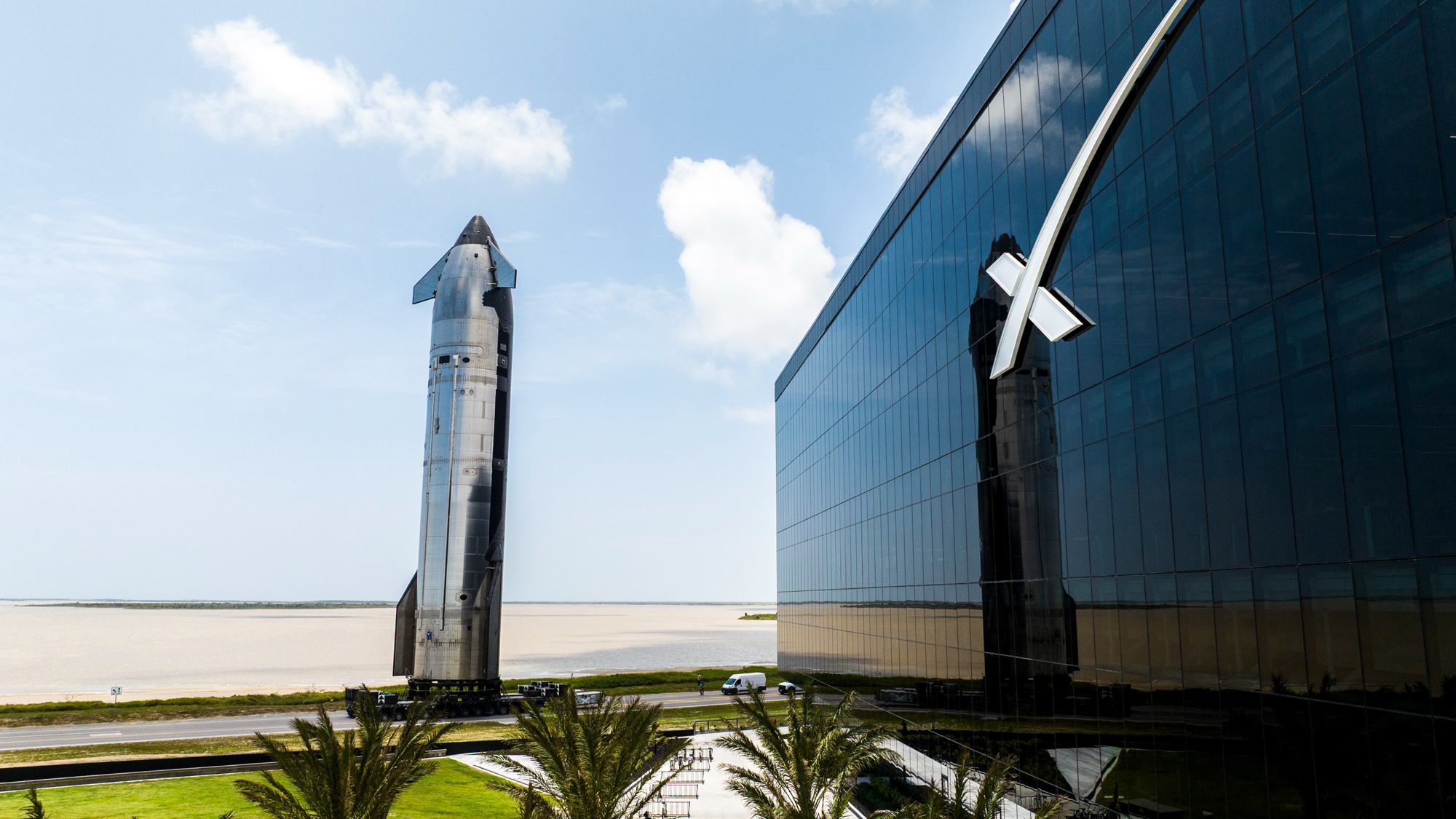
If V3 proves to be a more reliable rocket than its predecessor, SpaceX will begin working on the next key elements needed to transform Starship from an experimental to a working system. These include reaching orbit, landing on land, and orbital refueling.
The last element is critical for the Artemis program. Without a functioning orbital refueling system, SpaceX will not be able to fulfill its obligations to NASA. As a reminder, as part of the Artemis III mission, the Starship HLS lander, which will be refueled in near-Earth orbit by tanker ships, is to land two astronauts at the south pole of the Moon.
Given the complexity and ambition of the project, it is extremely difficult to predict how successful the V3 tests will be. But one thing is certain – they will remain one of the main events of the year.
The race for reusability
For almost ten years, SpaceX was the only company with a partially reusable orbital rocket. This allowed it to take an unprecedented position in the global launch market and start building the Starlink system, which not so long ago seemed like science fiction.
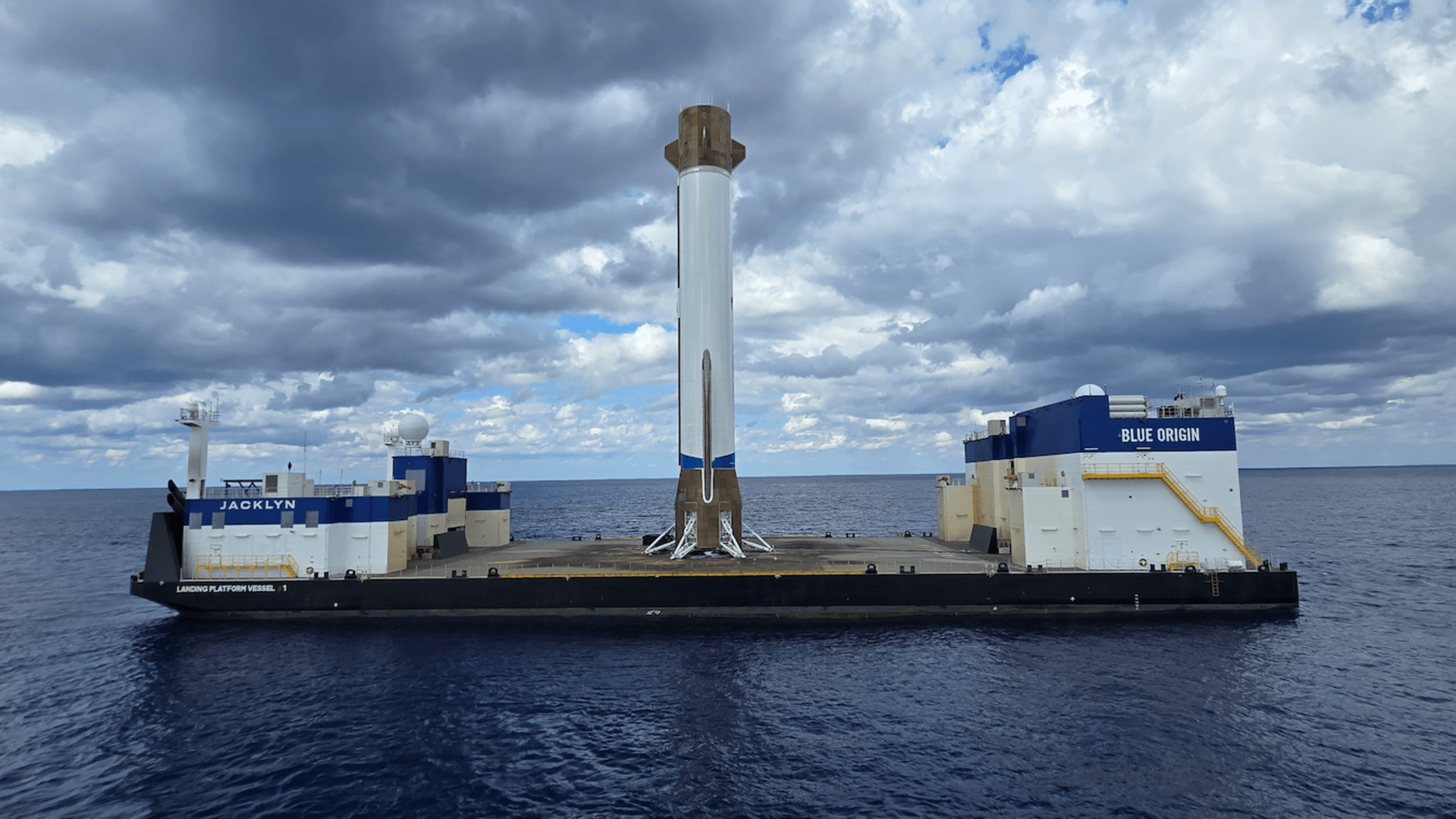
But in 2025, the situation began to change. Blue Origin became the second company in history to successfully return a rocket stage from space. The Chinese company LandSpace and the China Aerospace Science and Technology Corporation made their first attempts to land the stages of their Zhuque-3 and Long March 12A rockets. They failed – but it is clear that this is only the beginning. In 2026, they will make new attempts to return to the stages.
New rockets will also join the reusability race. Rocket Lab intends to launch its first medium-class Neutron carrier rocket. It features an interesting “sliding” nose cone design, which allows it to be returned to Earth together with the stage.
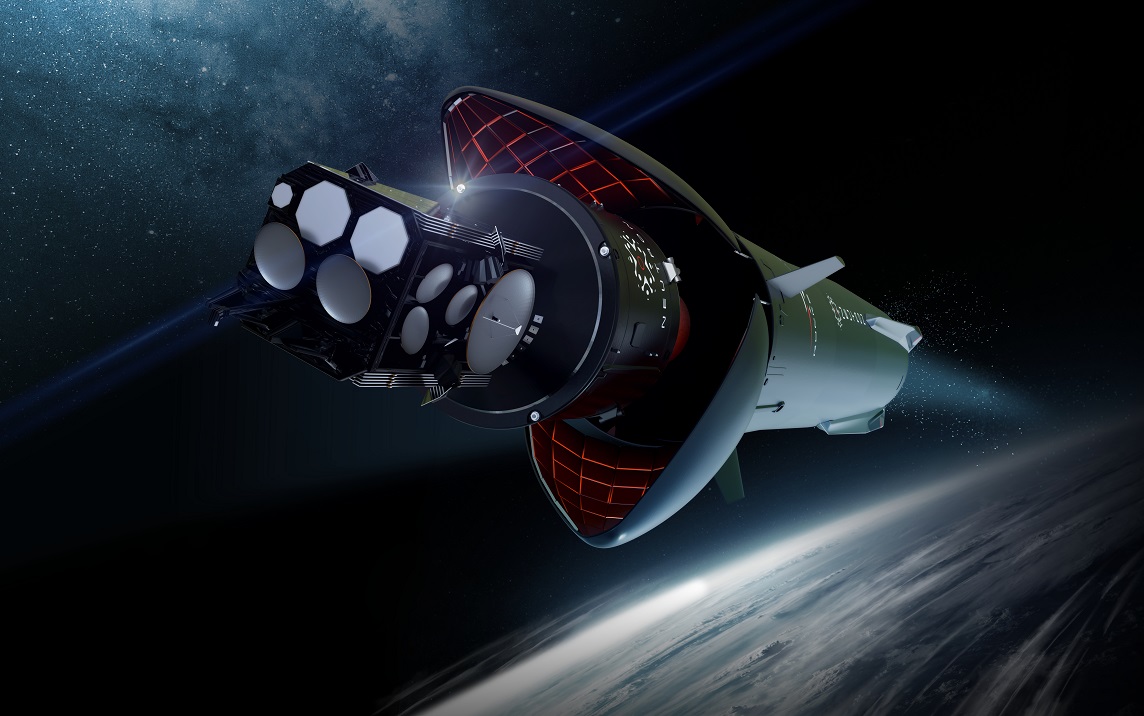
There are also plans to debut several other rockets with reusable first stages. These include Terran-R, Hyperbola-3, Long March 10A… Yes, the launch dates for most of them may subsequently be postponed until next year. And those rockets that do fly are unlikely to be able to return to Earth on their first attempt. Nevertheless, 2026 will likely bring us new reusable launch vehicles.
The first private orbiting station
For many years, discussions about private orbital stations did not go beyond attractive promises and concepts. Bigelow came closest to achieving this goal, even launching an experimental inflatable module that became part of the ISS. However, the company subsequently went bankrupt.
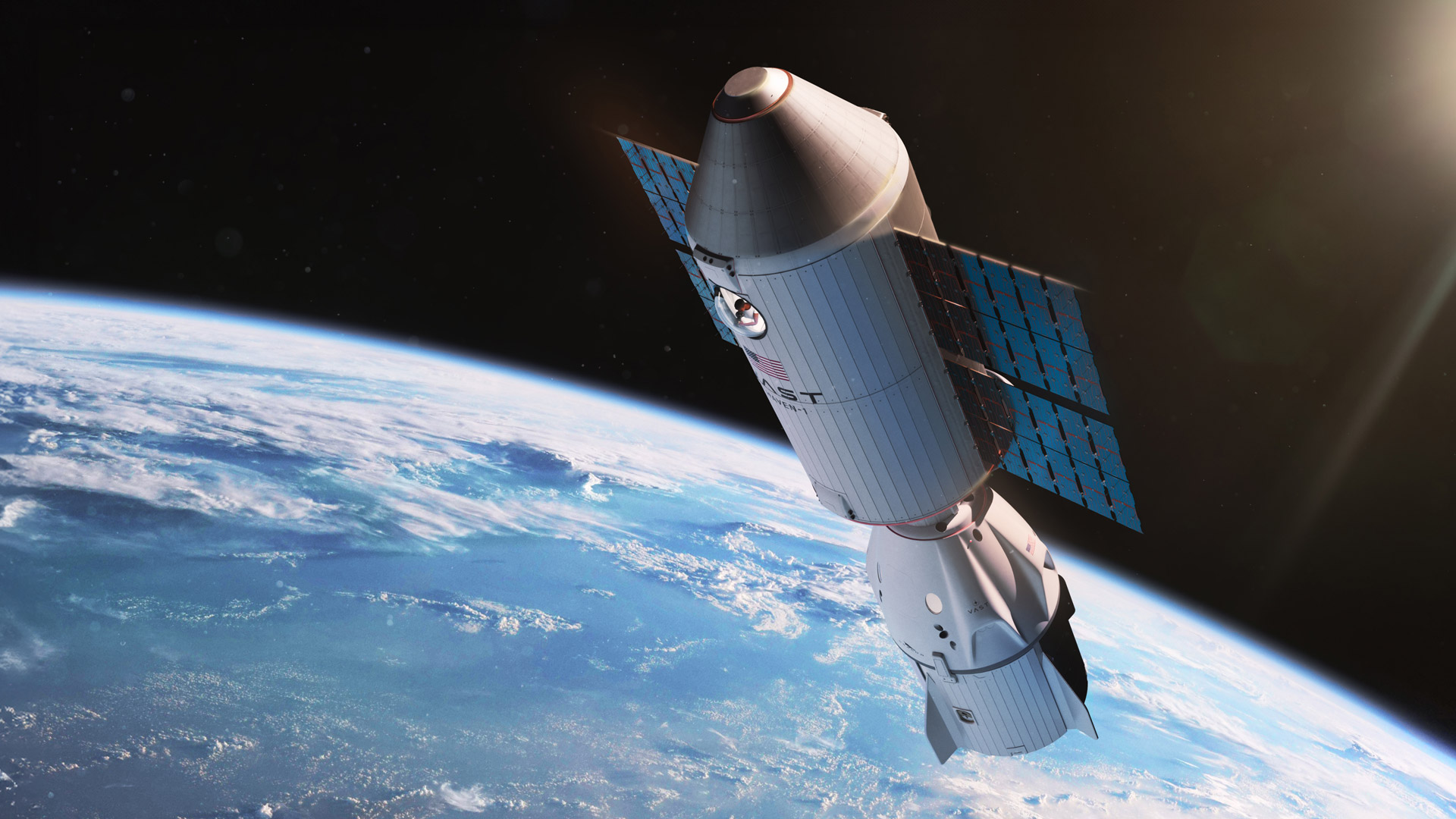
Nevertheless, in 2026, we may witness the launch of the first private orbital station in history. Vast Space is attempting to accomplish this task.
Vast Space first announced its plans to build the Haven-1 orbital station in 2023. Its main difference from similar projects, which never made it past the drawing board, is its relative simplicity. While other companies typically announce complex multi-module orbital stations, Haven-1 will consist of just one 14-ton compartment with an internal volume of 80 m³, not designed for permanent human habitation. The station will rely on the Crew Dragon spacecraft’s life support system and will be able to accommodate four astronauts for 30 days.
Welding of the main body of Haven-1 has been completed. Vast Space is currently actively testing it, as well as various components of the future station, such as solar panels and the docking mechanism.
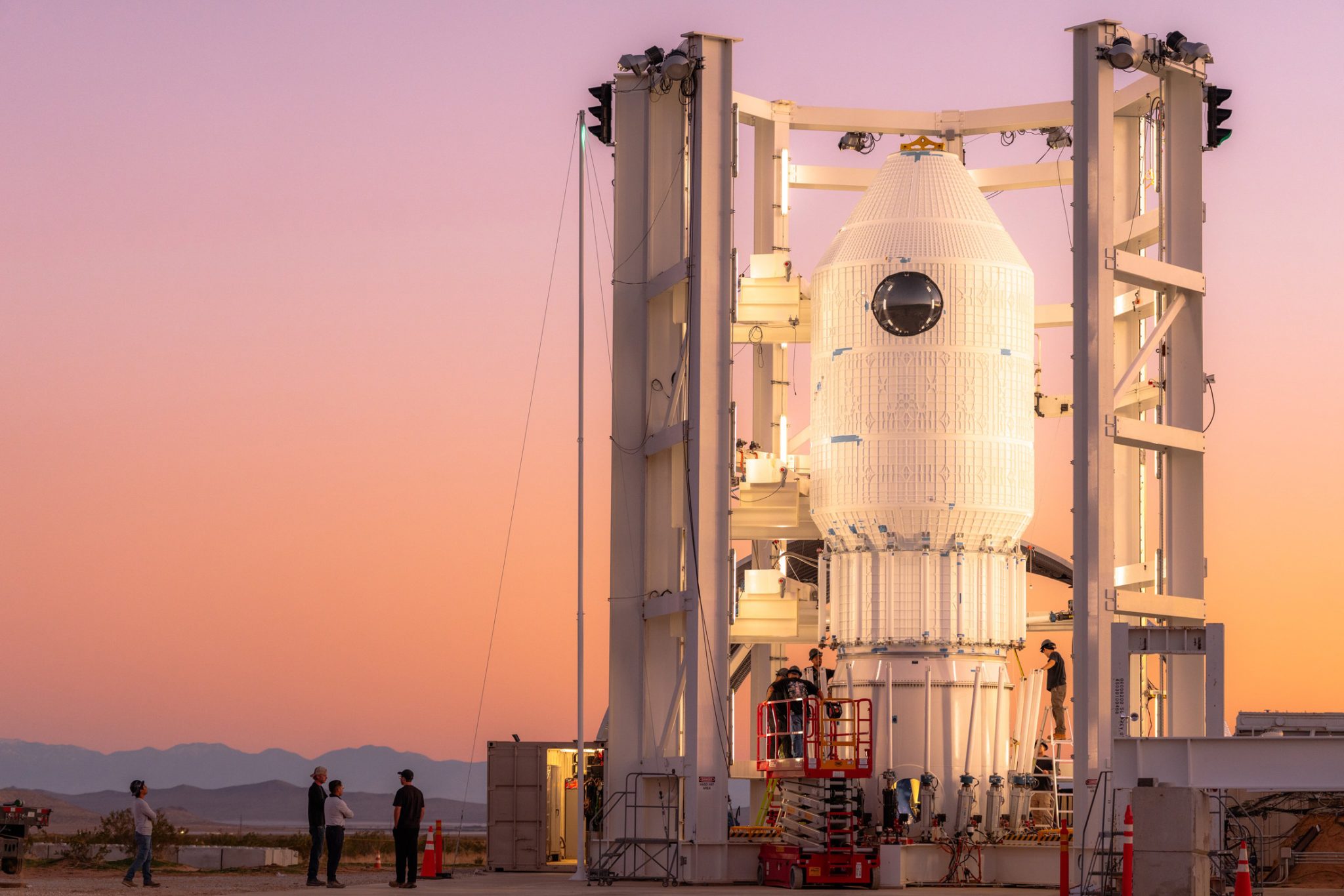
Vast Space hopes to launch its station sometime in the second half of 2026. Of course, given the ambitious nature of the task, the date may change. It cannot be ruled out that the launch of Haven-1 will ultimately be postponed until 2027. But we hope that the wait will not be too long. The first commercial orbital station will clearly be a powerful stimulus for other similar projects and will accelerate their implementation.
Events in deep space
In 2026, we can also expect many interesting events in deep space. Four private missions to the Moon are planned (Blue Moon Pathfinder Mission 1, IM-3, Griffin Mission One, Blue Ghost Mission 2). China will also send its mission to our planet’s satellite. We are talking about Chang’e-7, which has a very complex architecture, including a relay satellite, a lander, a rover, and even a flying drone. It is scheduled to land on the south pole of the Moon at the end of 2026.
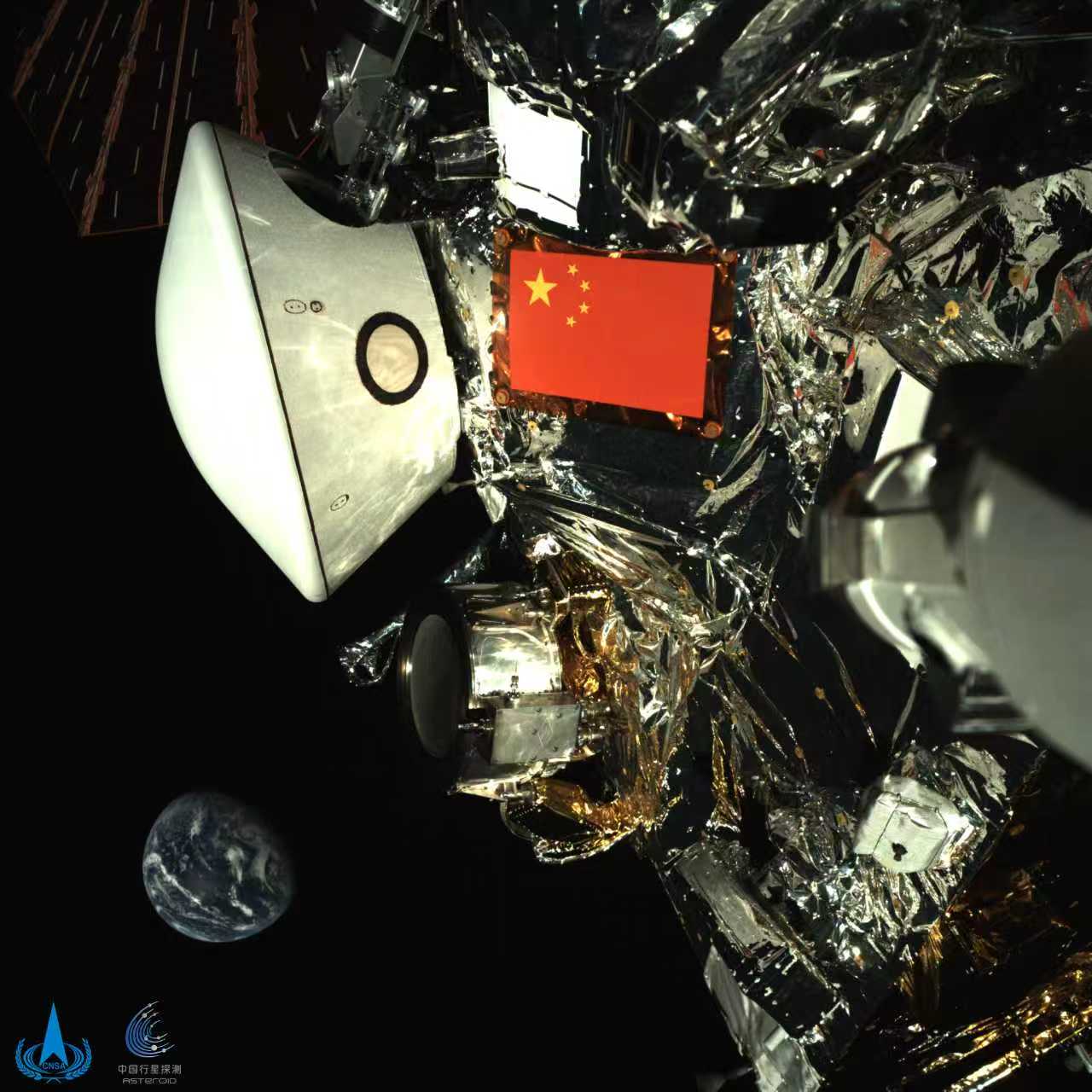
During 2026, we will also see several objects in the Solar System up close for the first time. In June, the Chinese Tianwen-2 mission will enter orbit around the asteroid Kamoʻoalewa. It is a quasi-satellite of Earth and is believed to be a fragment of the Moon that was knocked out as a result of some collision.
In June, the Japanese spacecraft Hayabusa2 will fly past the asteroid Torifune. And in December, the European spacecraft Hera will reach the double asteroid Didymos. In 2022, the DART probe crashed into its satellite Dimorph. In this way, NASA tested whether such an impact could change the orbit of a celestial body (in the future, this technology could be used to deflect dangerous objects away from Earth). Hera will carefully study Didymos and Dimorph to gather as much information as possible about how the impact affected the pair.
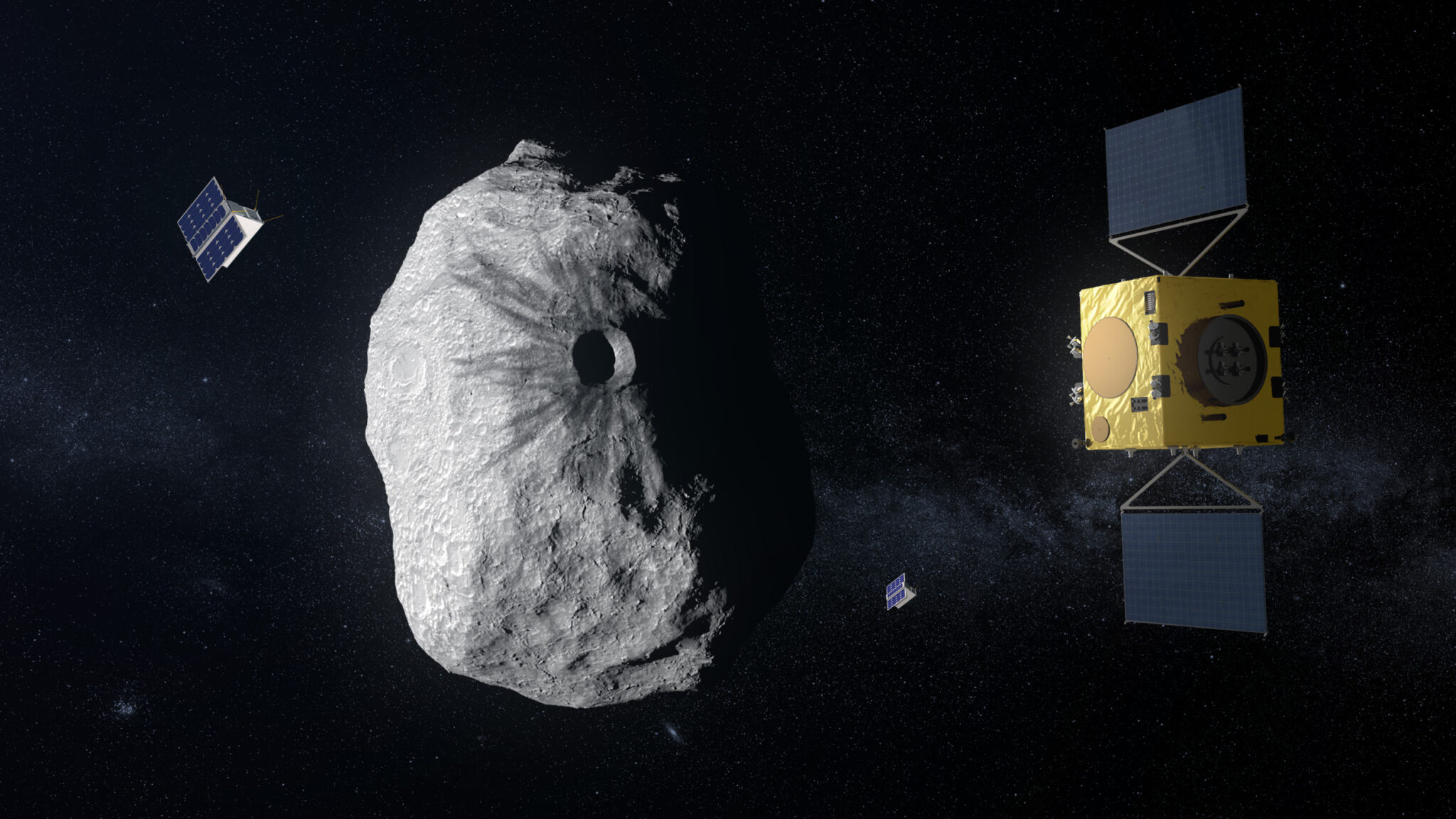
The launch of the Japanese MMX mission is also planned for the end of 2026. Its goal will be to deliver a sample of Phobos material to Earth. Along with it, a pair of ESCAPADE probes will travel to Mars, which are currently monitoring space weather at one of the Lagrange points. The European-Japanese BepiColombo mission will finally enter a permanent orbit around Mercury. After that, it will split into two separate spacecraft, which will begin studying the first planet from the Sun.

